Polished Concrete Flooring Near Plymouth, MI
For property owners seeking a durable, low-maintenance floor near Plymouth, MI, polished concrete offers a practical way to improve an existing concrete slab without covering it with a separate finish. Diamond Coatings Epoxy and Concrete Coatings is based in Shelby Township, MI, and provides concrete coating and polishing information for homeowners, businesses, and facilities evaluating a long-term flooring surface. A properly refined concrete floor can deliver a clean, bright appearance while standing up to the everyday demands that often wear down conventional flooring.
Polishing is not simply putting a shine on concrete. It is a mechanical refinement process that transforms the slab itself into a denser, smoother, more light-reflective surface. Whether a Plymouth-area space is a garage, retail floor, showroom, warehouse, or work area, the starting condition of the concrete and the intended use of the space should guide the flooring decision.
What polished concrete changes about a concrete slab
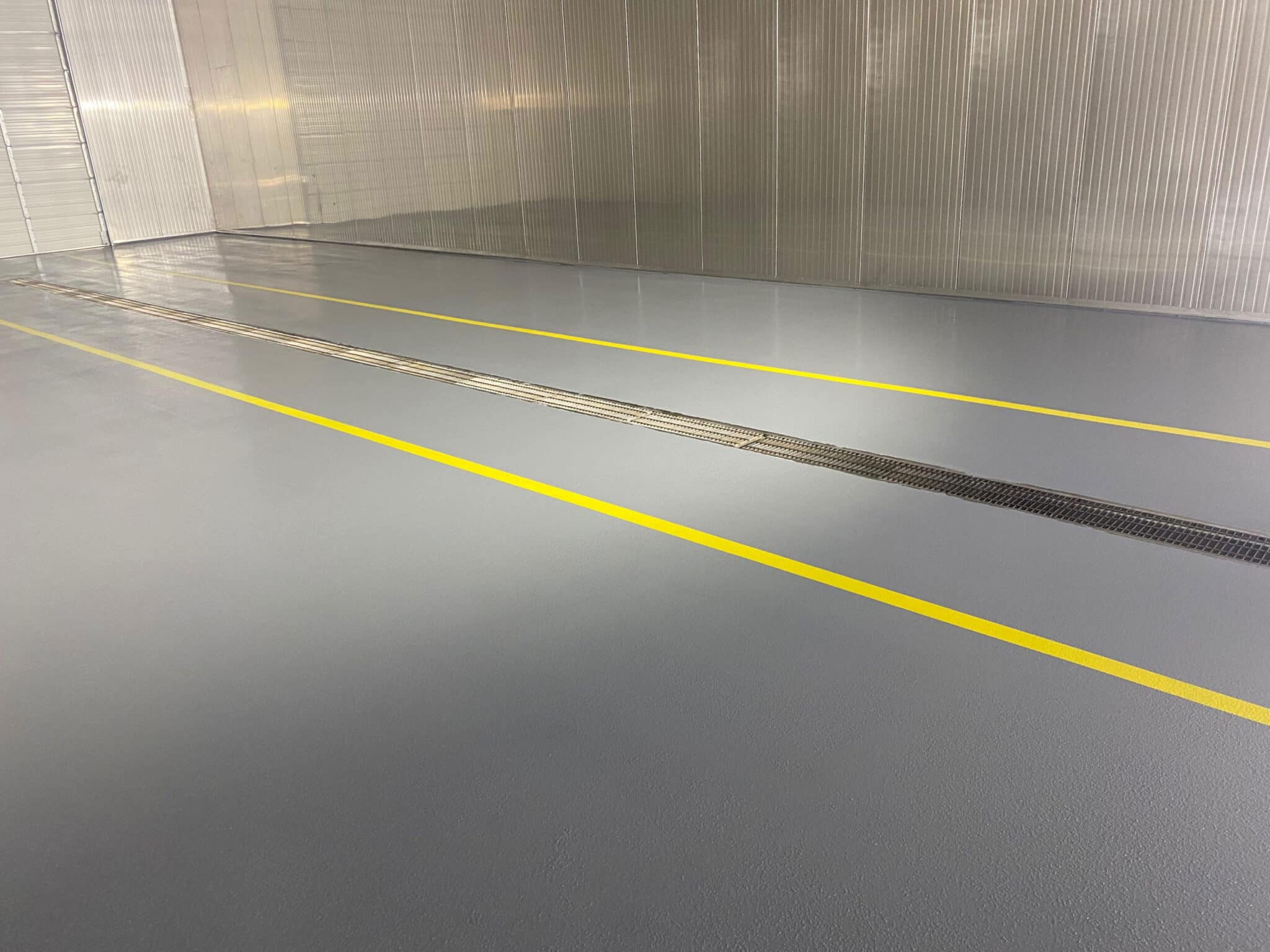
Polished Concrete Flooring is created by progressively grinding and refining concrete with diamond abrasives, then bringing the surface to the desired level of clarity and sheen. A densifier is commonly used during the process to help harden the concrete surface and reduce dusting. The result is not a film sitting on top of the slab, but a finished concrete surface that is integral to it.
This distinction matters when comparing concrete polishing with paint, wax, or many topical coatings. A coating can be an excellent choice when color, decorative flakes, or a particular protective system is the goal, while a polished slab emphasizes the concrete’s own character. Existing aggregate, patching, hairline cracks, and slab variation may remain visible to some degree, which is often part of the finished floor’s industrial or contemporary look.
A finish selected for use, not shine alone
Gloss is only one decision in a polished floor. Lower-sheen finishes can provide a refined, practical appearance for active spaces, while higher levels of polish increase reflectivity and make the floor look more luminous. The appropriate finish depends on the slab, available lighting, traffic patterns, cleaning expectations, and the visual style the owner wants to achieve.
Diamond Coatings Epoxy and Concrete Coatings can help start the conversation around the project goals rather than treating every slab the same. A useful evaluation considers surface condition, the presence of previous coverings or contaminants, repair needs, edge access, and whether the floor must remain available during a particular schedule. Addressing those factors early helps set realistic expectations for appearance and preparation.
Why property owners choose concrete polishing
A polished concrete surface is often chosen because it combines resilience with straightforward upkeep. Dense, mechanically refined concrete is well suited to spaces where rolling loads, foot traffic, and routine cleaning are part of normal operations. Its reflective finish can also make better use of existing light, an appealing feature for workspaces and display-oriented interiors.
- Durability: The finished surface is designed around the existing concrete slab rather than a separate layer that can require periodic replacement.
- Reduced dusting: Densification and surface refinement can help limit loose concrete dust associated with porous or deteriorating slabs.
- Simple maintenance: Regular dry dust mopping and appropriate wet cleaning are generally central to care, without a recurring wax regimen.
- Reflectivity: A more refined finish can brighten the perceived space and support visibility in interiors.
- Design flexibility: Aggregate exposure and sheen can be adjusted to support a subtle, industrial, or more decorative visual direction.
These benefits do not mean polishing is right for every concrete floor. Severe moisture concerns, extensive damage, active cracking, adhesive residue, or a slab that needs a very uniform color may point toward additional preparation or a different flooring system. An on-site assessment is important because the slab is the finished material, not merely the substrate beneath a new floor.
Residential spaces can gain a clean, enduring surface
For homeowners considering residential polished concrete flooring, the appeal is often a floor that feels intentional while remaining easy to live with. It can be considered for garages, basements, living areas, and other concrete-slab spaces where owners prefer a seamless surface over grout lines, carpet, or a coating-based look. The concrete’s natural variation should be viewed as a design feature, especially when prior repairs or aggregate exposure are likely to show.
Before selecting a polished finish for a home, consider comfort, acoustics, and the desired warmth of the room. Area rugs, furnishings, and lighting can soften the visual and physical feel of concrete in living spaces. For a garage or utility area, traffic, spills, storage practices, and cleaning habits are often more important factors than high gloss alone.
Business floors benefit from performance and presentation
commercial polished concrete flooring can serve retail spaces, offices, showrooms, restaurants, and similar environments that need a professional-looking floor with manageable maintenance demands. The continuous surface helps create a cohesive appearance across open floor plans, and a reflective finish can complement merchandising or interior lighting. For a customer-facing setting, the desired aggregate exposure and gloss should be discussed alongside how the floor will be cleaned and used.
Commercial decision-making should include operational details. Furniture movement, wheeled traffic, entryway soil, cleaning equipment, and access for preparation all affect the project plan and long-term care. A polished floor performs best when the finish level fits the real conditions of the space rather than only a design image.
Demanding facilities need a slab-first evaluation
In warehouses, manufacturing areas, and other high-use settings, industrial polished concrete flooring is valued for its hard, dense surface and its ability to support a practical maintenance routine. Polishing can be a cost-conscious long-term option for facilities that want to reduce concrete dust and avoid relying on waxes for shine. Heavy equipment, forklifts, point loads, joint conditions, and the work performed in the facility should all be reviewed before settling on a finish.
A facility floor is not only an appearance decision. Owners should identify whether chemicals, thermal exposure, standing liquids, abrasion, or frequent impact are part of daily operations, since those conditions may require a different protective approach or additional planning. Clear communication about production schedules and access needs also helps shape a realistic installation sequence.
What to expect from the polishing process
Concrete polishing typically follows a series of deliberate steps, with each stage preparing the floor for the next. The exact number of grinding and polishing passes varies according to the slab’s condition and the specified level of refinement. This is why two concrete floors of the same size may not require identical preparation.
- Evaluate the slab: Review the concrete condition, prior coverings, visible damage, contamination, joints, and the target appearance.
- Prepare and repair: Remove materials that interfere with refinement and address appropriate cracks, holes, or surface imperfections.
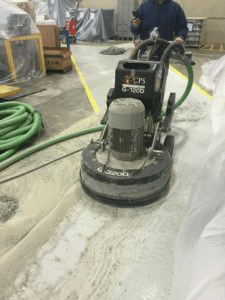
- Grind and densify: Use diamond tooling to open and level the surface as needed, then apply densifier at the suitable stage to support hardness and dust resistance.
- Refine the finish: Move through progressively finer abrasives to achieve the selected aggregate exposure and sheen.
- Plan ongoing care: Establish cleaning practices that avoid leaving abrasive soil on the floor and preserve its appearance over time.
Noise, dust-control measures, access restrictions, and temporary movement of contents are practical considerations during installation. The amount of downtime depends on project conditions and scope, so it should be addressed during estimate planning rather than assumed. Once complete, a polished surface generally benefits from consistent, appropriate cleaning rather than harsh practices that leave residue or scratch the finish.
Choose a provider with the right project conversation
The best starting point is a detailed discussion of how the floor will be used, what the existing concrete looks like, and what visual result is realistic for that particular slab. Ask prospective providers how they evaluate moisture, repairs, existing coatings or adhesives, joints, access, and the intended sheen. It is also wise to ask what normal cleaning will involve and whether the proposed finish fits the expected traffic and exposure.
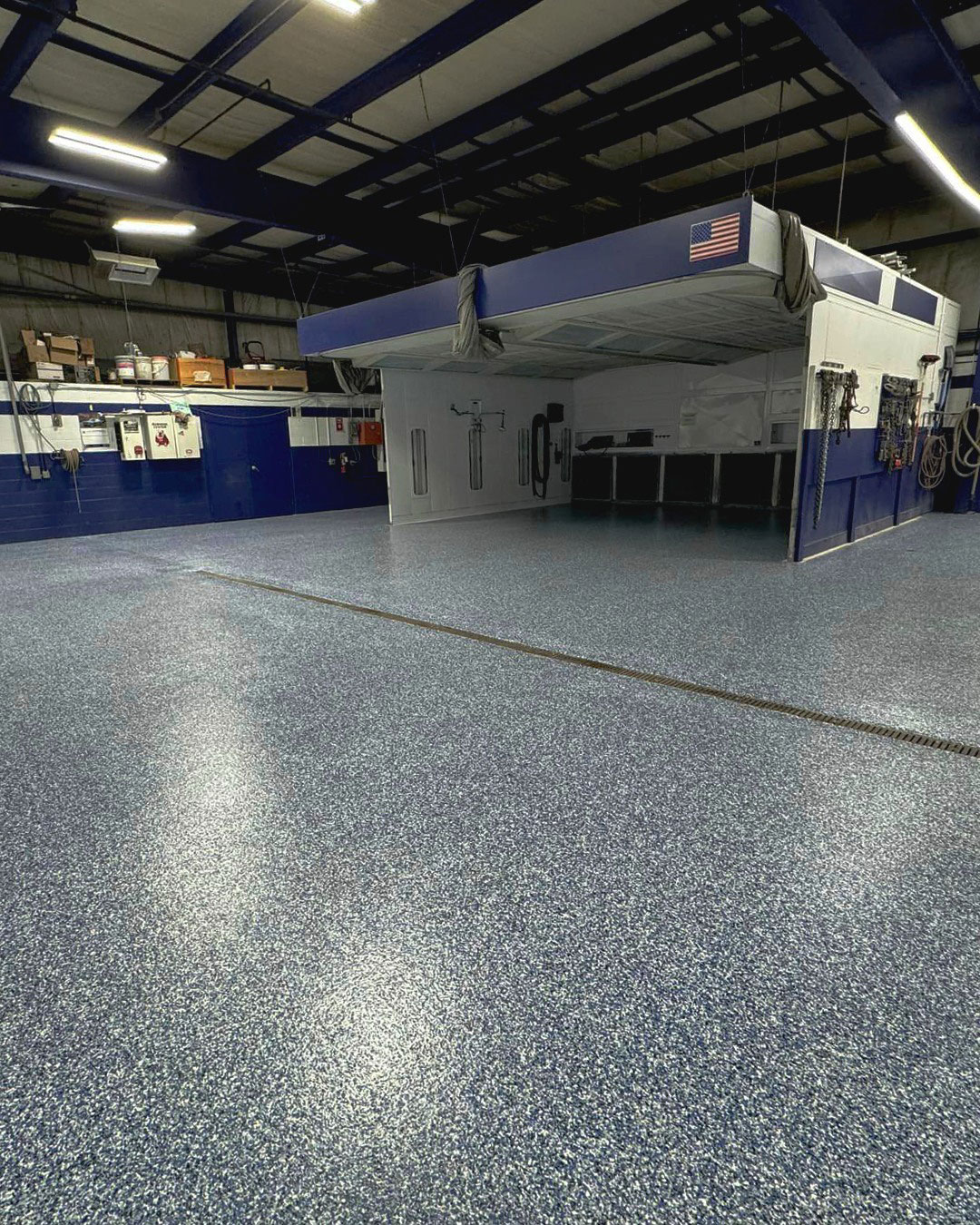
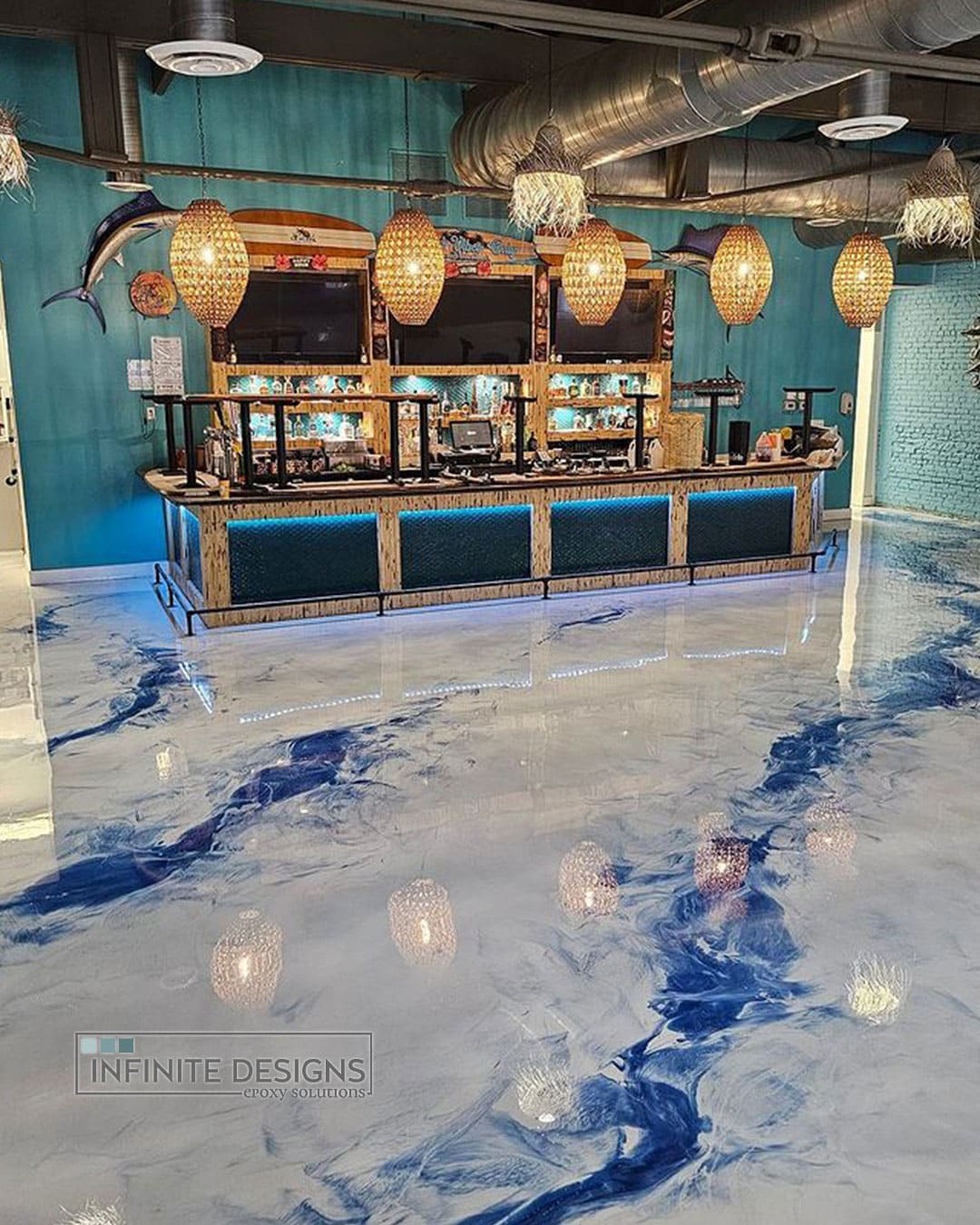
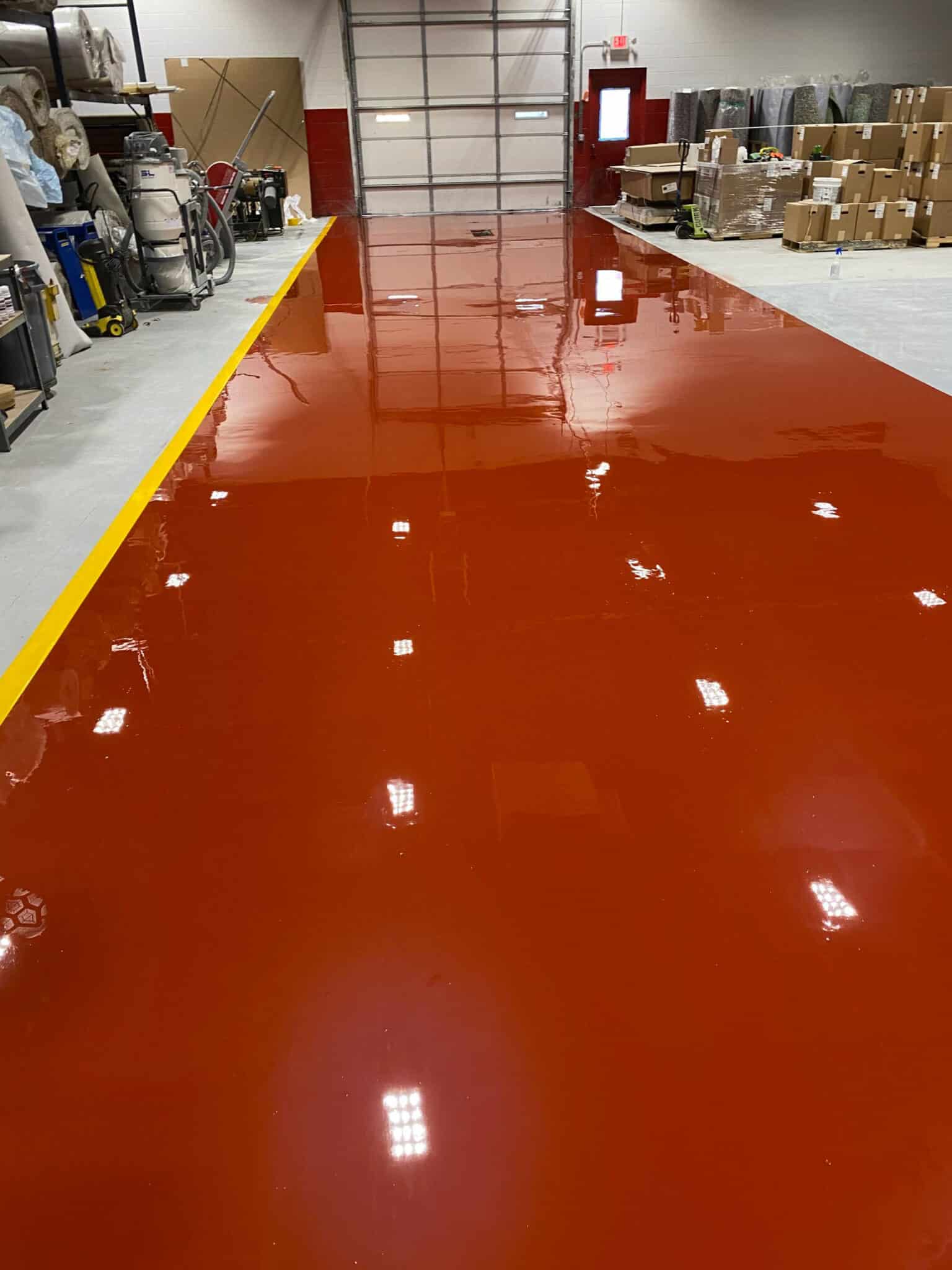
Diamond Coatings Epoxy and Concrete Coatings offers a relevant resource for comparing finished surfaces and project types. Viewing our work can help a prospective customer distinguish between polished concrete’s natural, slab-based appearance and other decorative concrete coating options. This context is useful when deciding whether a high-reflectivity finish, exposed aggregate, or a different concrete system better matches the space.
Feedback from completed projects can also be helpful when evaluating a service company, particularly when it describes communication, planning, and the overall customer experience. Diamond Coatings Epoxy and Concrete Coatings shares client reviews as a place for customers to read those perspectives before requesting an appointment. Reviews should complement, not replace, a project-specific discussion about the concrete slab and the requirements of the space.
Common questions about polished concrete near Plymouth
Is polished concrete flooring slippery?
Polished concrete is not automatically slippery simply because it has sheen. Traction depends on surface condition, contaminants, moisture, footwear, cleaning residue, and the chosen finish. Discuss how the space will be used, especially near entries or areas exposed to water, so the finish can align with practical safety needs.
Can an older concrete slab be polished?
Many older slabs can be evaluated for polishing, but the final appearance depends on their condition. Cracks, patches, stains, old adhesive, uneven areas, and aggregate can remain visible after refinement. A professional assessment identifies preparation needs and helps determine whether the expected look is a good fit for the existing concrete.
How do I maintain a polished concrete floor?
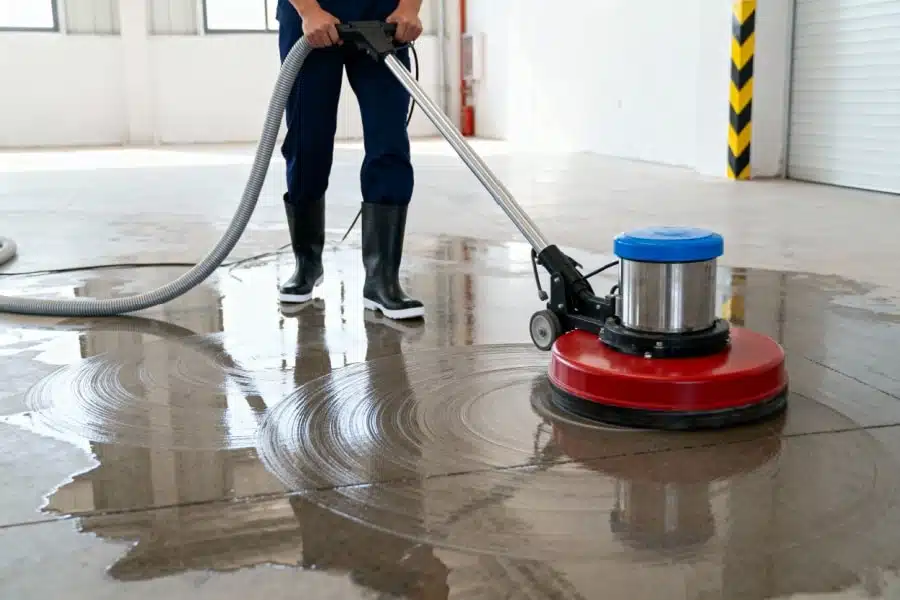
Use regular dry dust mopping to remove grit, clean spills promptly, and wet clean with products appropriate for polished concrete. Avoid leaving abrasive debris or residue-forming cleaners on the surface. Maintenance needs vary with traffic and soil conditions, but consistent basic care helps preserve clarity and reflectivity.
Does Diamond Coatings Epoxy and Concrete Coatings have an office in Plymouth, MI?
Diamond Coatings Epoxy and Concrete Coatings is located in Shelby Township, Michigan, not Plymouth. Plymouth-area property owners can request an appointment to discuss their flooring needs, slab condition, and desired finish with the company.
Schedule a polished concrete flooring appointment
If you are comparing floor options for a home, storefront, warehouse, or work area near Plymouth, bring the practical details to the first conversation: square footage, current slab condition, intended use, desired appearance, and any timing constraints. Diamond Coatings Epoxy and Concrete Coatings, located in Shelby Township, MI, can help you begin with a project-focused estimate discussion. Request an appointment for an estimate and take the next step toward a polished concrete surface that fits your Michigan property.