Industrial Flooring Solutions In Plymouth, MI
Industrial floors in Plymouth, MI have to do more than cover concrete. They need to support loaded carts, forklifts, foot traffic, cleaning routines, and the day-to-day demands of a working facility while remaining easier to inspect and maintain. Diamond Coatings Epoxy and Concrete Coatings provides industrial flooring services in Plymouth, MI from its Shelby Township, MI location, helping facility decision-makers evaluate coating, concrete repair, and polished-floor options based on how the space is actually used.
The right floor system can turn a worn, dusty, or difficult-to-clean slab into a more functional work surface. Whether the concern is impact damage, surface deterioration, old adhesive, traffic organization, or a need for a cleaner finish, the first decision is not simply choosing a color. It is determining what the concrete needs and which finish fits the operating environment.
Build a Floor Around the Demands of the Facility
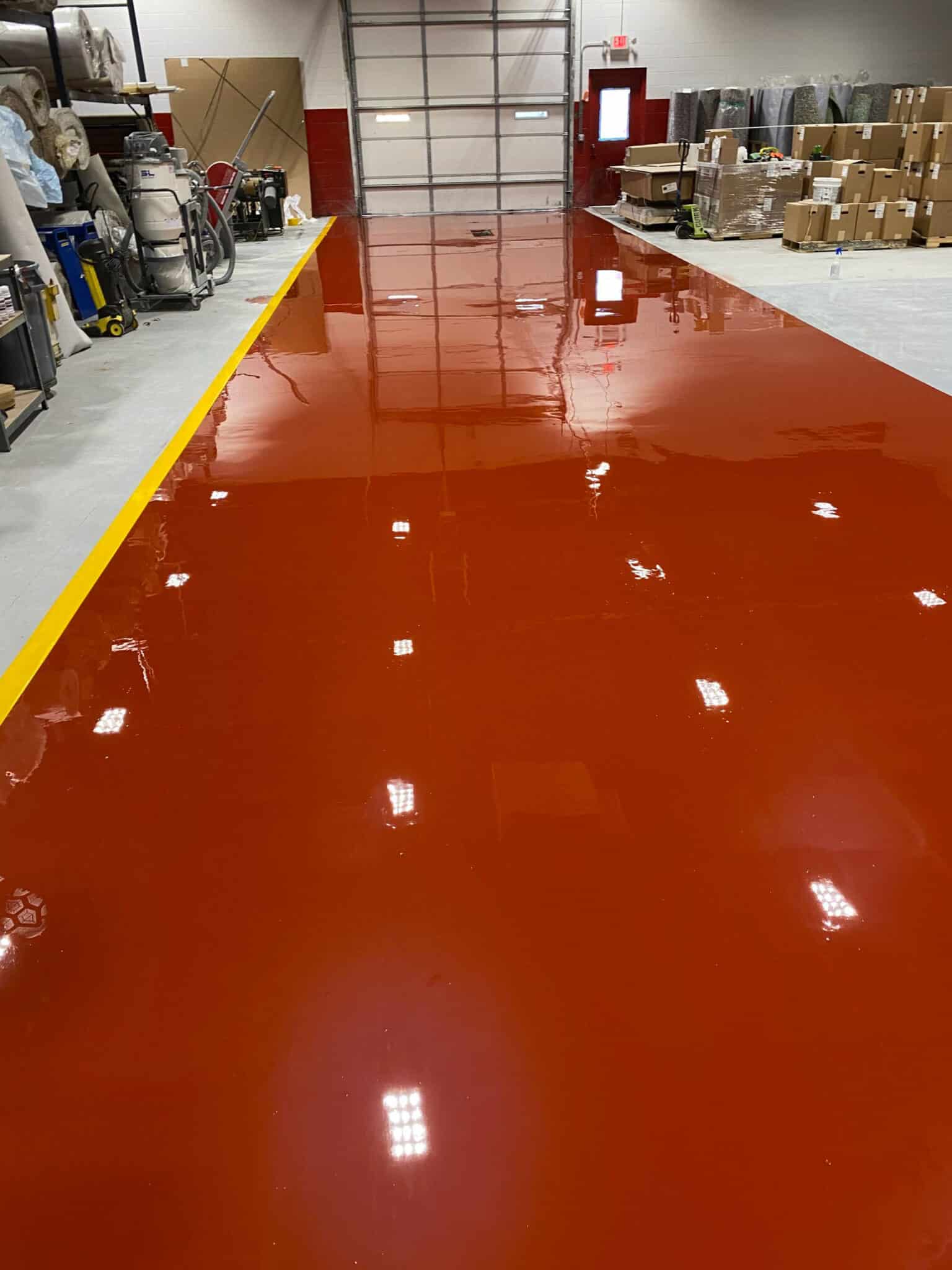
Industrial Flooring Solutions are most effective when the coating or finish is selected for the substrate, traffic pattern, cleanup needs, and service conditions. An epoxy coating can create a smooth, durable surface over prepared concrete, while urethane coatings, quartz systems, stained concrete, and polished concrete each address different functional or visual priorities. Diamond Coatings Epoxy and Concrete Coatings offers commercial and industrial services that include 100% solid epoxy, urethane coatings, quartz flooring, decorative concrete stain, polished concrete, crack repair, and removal work.
For a facility in Michigan, the condition of the existing slab deserves attention before any finish is selected. Cracks, damaged areas, residual tile or glue, uneven repairs, and contamination can affect coating adhesion and the final appearance. Addressing those conditions during planning helps create a clearer scope and reduces the risk of treating a surface issue as though it were only a cosmetic problem.
Where high-performance concrete finishes make sense
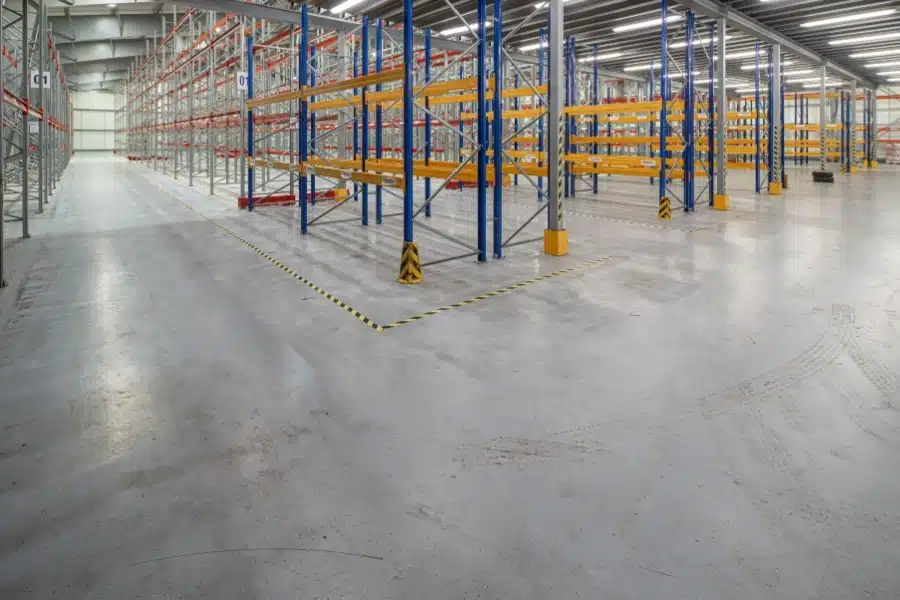
Warehouses, automotive operations, industrial facilities, schools, offices, and other commercial properties may benefit when their bare concrete no longer supports efficient operations. A durable resinous floor can be useful where frequent traffic, routine cleaning, or a uniform work surface is important. Polished concrete may be a practical alternative when the goal is to refine the concrete itself rather than install a film-forming coating.
- Warehouses and storage areas that need a more uniform, maintainable surface
- Automotive and industrial work areas exposed to regular vehicle or equipment movement
- Commercial spaces undergoing tile, glue, or outdated-coating removal
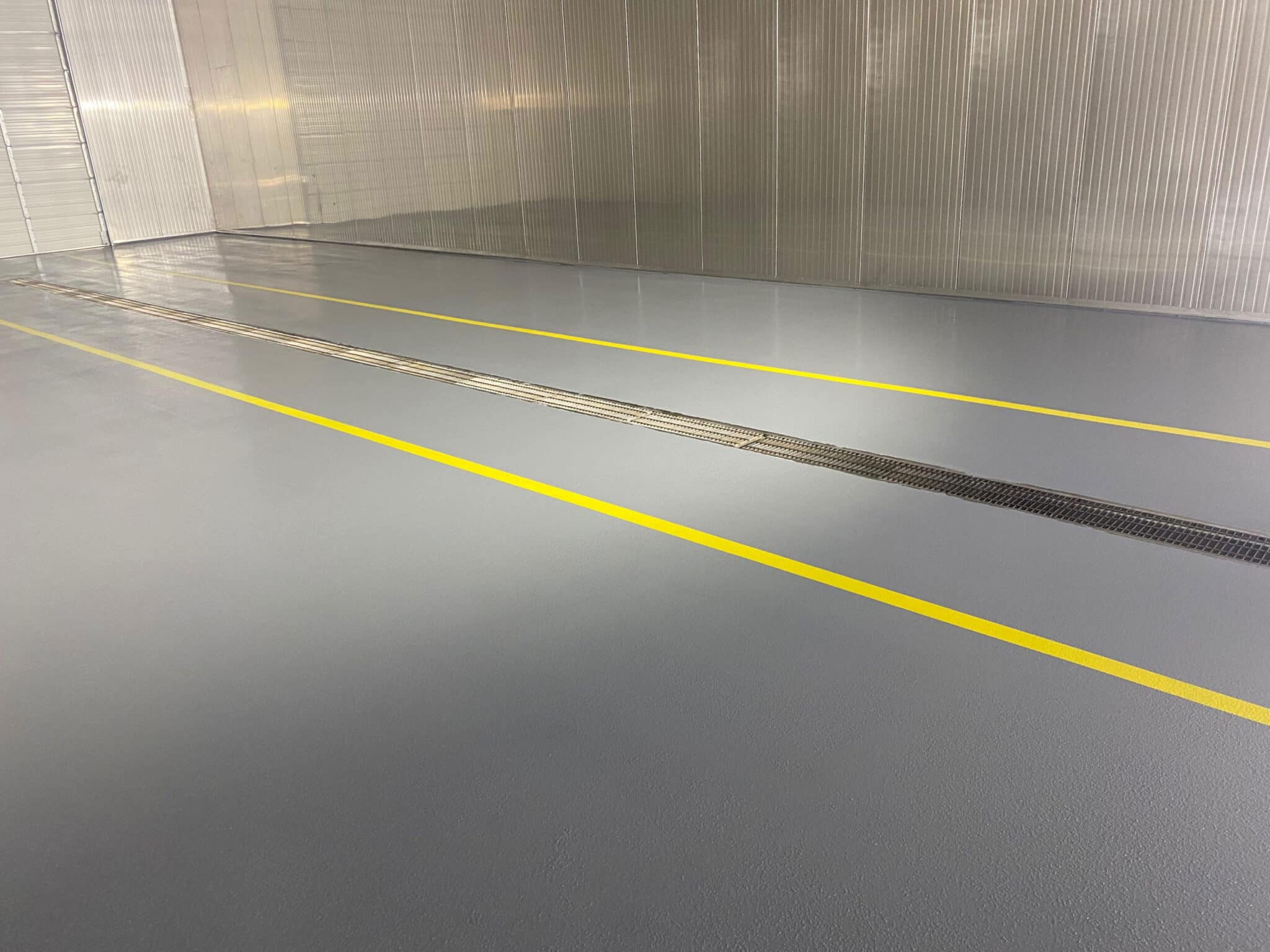
- Facilities that need visible aisle traffic striping, designated zones, or floor logos
- Properties seeking crack repair and general floor maintenance as part of an improvement plan
Flooring choices should follow use, not fashion. A logistics area may prioritize heavy-load performance and marked travel lanes, while a customer-facing commercial area may place more value on appearance and a clean, cohesive finish. Discussing both needs early makes it easier to select a system that supports the space instead of introducing an unnecessary compromise.
A Practical Path From Existing Concrete to a Finished Floor
A successful industrial floor installation begins with evaluation and preparation, not the final topcoat. Concrete is the base for the system, so its profile, soundness, repairs, and prior coverings affect the outcome. Diamond Coatings Epoxy and Concrete Coatings can discuss the existing floor and the intended use of the space before recommending an appropriate commercial concrete flooring approach.
- Review the space and its use: Identify traffic, loads, cleaning practices, visible damage, and areas that need special treatment.
- Plan substrate preparation: Determine whether crack repair, tile and glue removal, coating removal, or other concrete work is needed.
- Select the floor system: Compare epoxy, urethane, quartz, polished concrete, stain, or related options against operational requirements.
- Coordinate functional details: Include aisle markings, logos, color choices, and phased work considerations where they fit the project.
- Maintain the finished surface: Use cleaning and maintenance practices that align with the chosen finish and the facility’s normal activity.
Preparation is often the part of the project that separates a long-term flooring plan from a quick surface cover-up. A coating cannot correct every underlying concrete concern on its own, and a polished finish also depends on the condition and characteristics of the slab. Asking how the floor will be prepared, repaired, and transitioned around existing conditions is a sensible part of comparing providers.
Epoxy, urethane, polished concrete, and quartz are not interchangeable
Industrial Flooring Solutions, including industrial epoxy flooring, can provide a high-performance, smooth surface when properly applied over prepared concrete. Epoxy is often considered for its durable finish and ability to support commercial and industrial settings, while urethane coatings may be evaluated as part of a broader protective coating specification. The appropriate system depends on the facility’s conditions and priorities, rather than a one-size-fits-all product choice.
Polished concrete and decorative staining take a different approach because they emphasize the concrete surface itself. Quartz flooring can add a textured, durable design option, while traffic striping can make movement routes and work zones easier to identify. A conversation about loads, moisture conditions, chemicals, temperature exposure, cleaning methods, and desired appearance helps determine whether a seamless resin floor, a refined concrete finish, or another solution is the better fit.
Design Details That Support Function and Presentation
Industrial flooring does not need to look generic to work hard. Color zoning, line markings, logos, and finish selection can help a large space communicate where people, materials, and equipment should move. These details should support operations first, then reinforce a clean and intentional appearance.
Choose color with maintenance and visibility in mind
The available base colors provide a starting point for matching a floor to a facility’s lighting, layout, and visual goals. Lighter and darker tones can affect how dust, marks, and small debris appear, so appearance should be considered alongside maintenance expectations. A consistent base tone can also create a useful background for aisle traffic striping, safety boundaries, or branded floor elements.
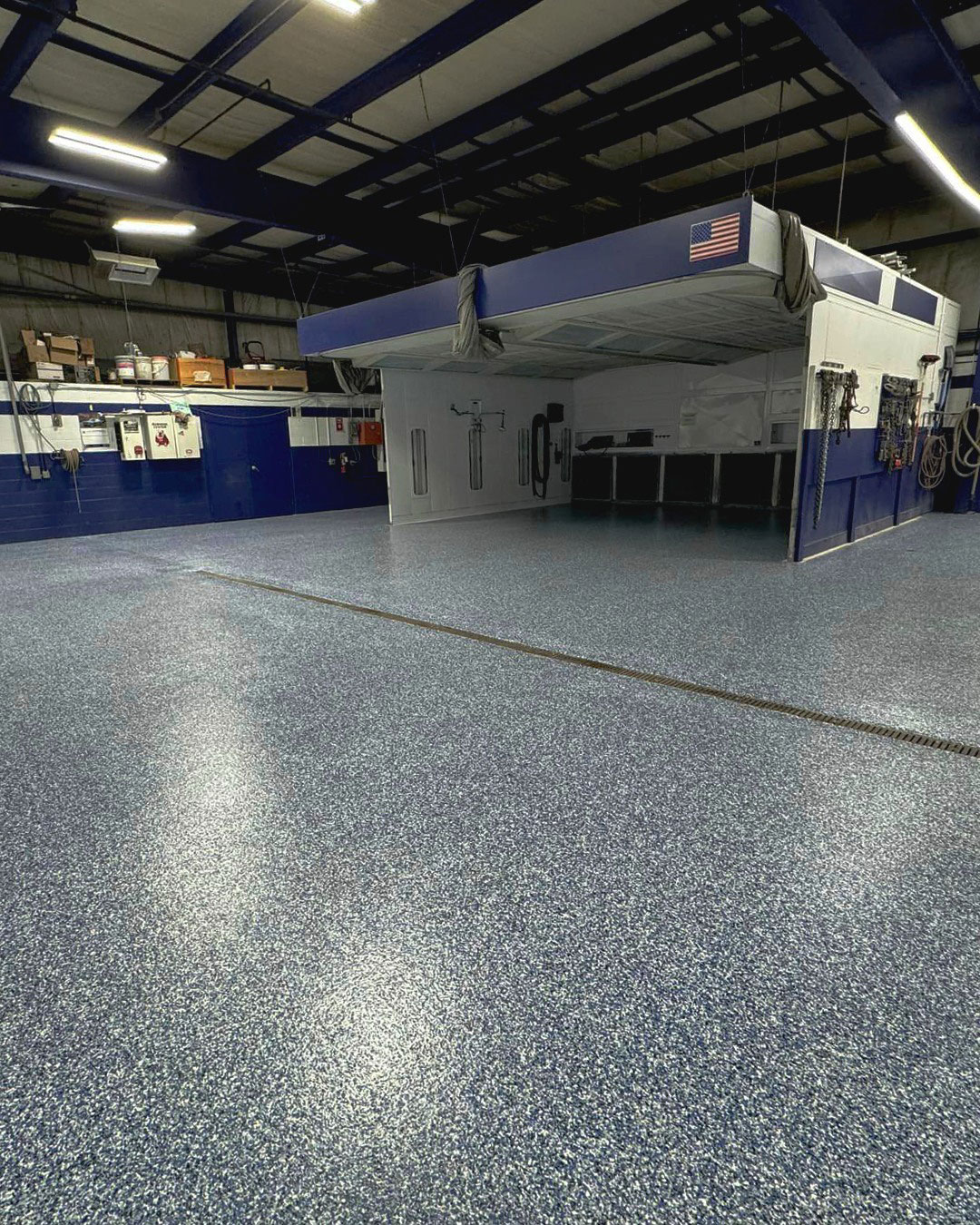
For projects where the floor has a more visible role, decorative chips can add texture and variation to a coated surface. Chip blends are not only a style choice, since their visual variation may make a space feel less uniform than a solid-color coating. They are especially worth discussing for commercial areas, offices, entry spaces, or other locations where practical durability and presentation need to work together.
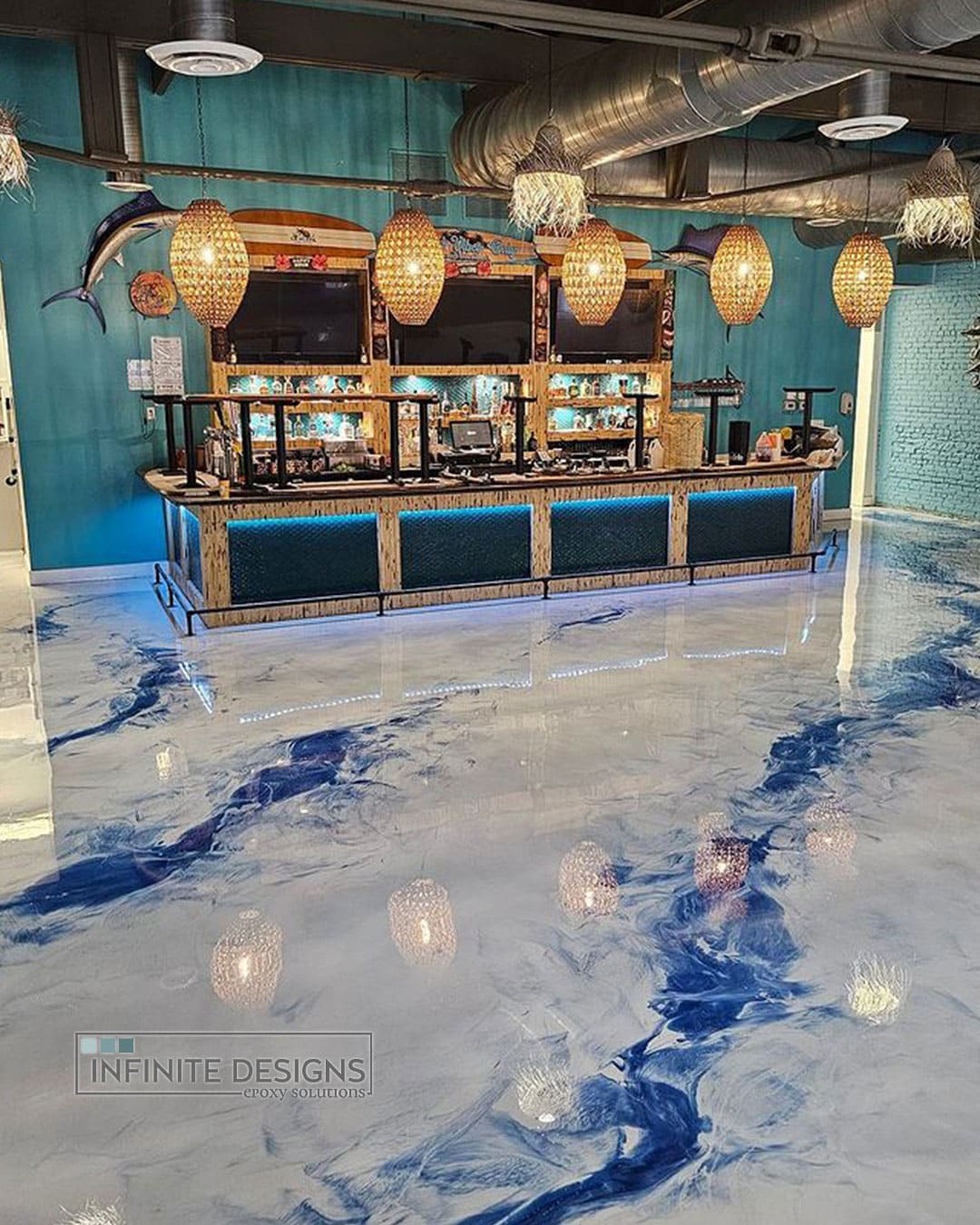
Some facilities or adjacent commercial spaces may consider metallic additives when a distinctive decorative finish is part of the project vision. Metallic effects are generally a design-forward option, so it is helpful to evaluate them separately from the performance requirements of a heavy-use industrial work zone. Diamond Coatings Epoxy and Concrete Coatings can help keep the discussion grounded in the intended use of the floor, whether the priority is utility, visual impact, or a balance of both.
What to Look for Before Scheduling an Industrial Flooring Project
Choosing a flooring contractor is easier when the discussion centers on the concrete and the work the floor must perform. A useful estimate conversation should cover the current substrate, needed repairs or removal, the proposed finish, and any operational details that could affect the scope. Facility managers should also clarify access needs and whether different areas of the project need to be coordinated around business activity.
- What condition is the concrete in, and what preparation or repair is anticipated?
- Which coating or concrete finish is being considered, and why does it fit the space?
- Are aisle markings, logos, color zones, or other functional details part of the plan?
- Does the project involve old tile, glue, failed coatings, or other materials that need removal?
- What ongoing cleaning and general floor maintenance considerations apply after completion?
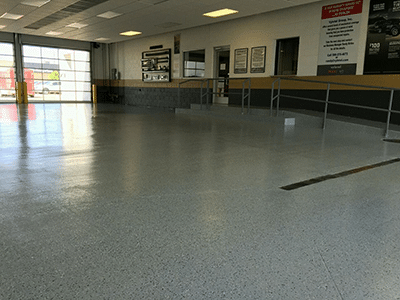
Reviewing completed work can make these choices more concrete. The our work gallery gives prospective customers a way to see examples of coating and concrete-finish projects rather than relying on abstract descriptions alone. Looking at finished surfaces can help a decision-maker discuss color, visual texture, striping, and the overall level of finish that suits a particular property.
Feedback from other customers is another useful part of a well-rounded decision, although it should not replace a project-specific conversation. Diamond Coatings Epoxy and Concrete Coatings shares client reviews so potential customers can consider others’ experiences alongside the services offered. For an industrial project, it remains important to discuss the actual slab, use conditions, and desired scope because no two commercial floors begin in exactly the same condition.
Questions Plymouth Property Owners Commonly Consider
What are Industrial Flooring Solutions for a Plymouth, MI facility?
Industrial Flooring Solutions are services that improve, protect, repair, or refine commercial concrete floors based on facility use. Options can include epoxy and urethane coatings, quartz systems, polished concrete, decorative stain, crack repair, removal of old materials, and traffic striping. The best choice depends on the slab’s condition, traffic, cleaning needs, and visual requirements.
Can an industrial floor coating be installed over damaged or previously covered concrete?
It may be possible, but the concrete and existing materials need to be evaluated first. Cracks, failing coatings, old tile, and glue may require repair or removal so the finished system has an appropriate surface to bond to. A project discussion should identify these conditions before a coating choice is finalized.
How do I decide between epoxy flooring and polished concrete?
Epoxy creates a protective coating over prepared concrete, while polished concrete refines the concrete slab itself. The decision often comes down to the existing floor, the desired finish, traffic demands, maintenance practices, and whether markings or decorative features are planned. Comparing both approaches against the facility’s daily operations is more useful than selecting solely by appearance.
Does Diamond Coatings Epoxy and Concrete Coatings have an office in Plymouth?
Diamond Coatings Epoxy and Concrete Coatings is located in Shelby Township, MI and provides industrial flooring services in Plymouth, MI. Contacting the company for an estimate is the appropriate way to discuss a specific Plymouth property, its concrete condition, and the service scope being considered.
Request an Appointment for Your Facility Floor
If your Plymouth facility needs a more durable work surface, concrete repair, traffic striping, removal work, or a polished and coated finish, Diamond Coatings Epoxy and Concrete Coatings can help you start with the practical details. The company is based in Shelby Township, Michigan, not Plymouth, and serves customers seeking a clearer plan for commercial and industrial concrete floors. Bring the floor’s current condition, operational needs, and desired appearance to the conversation so the proposed solution can be matched to the job.
Request an appointment and estimate from Diamond Coatings Epoxy and Concrete Coatings to discuss industrial flooring in Plymouth, MI with the Shelby Township, MI team.