Concrete Flooring Systems In Plymouth, MI
Concrete floors in Plymouth, MI do not have to remain dull, dusty, difficult-to-clean slabs. Diamond Coatings Epoxy and Concrete Coatings provides concrete flooring solutions for property owners who need a surface that performs under daily traffic while presenting a cleaner, more finished appearance. Based in Shelby Township, MI, the company helps customers evaluate the condition of an existing slab and choose a practical finish for the way the space is actually used.
For many homes and facilities, the right floor begins with the concrete already in place. Mechanical grinding, surface preparation, densification, and polishing can turn that slab into a denser, smoother floor instead of covering it with a short-term cosmetic fix. The result can be a low-maintenance surface suited to garages, showrooms, work areas, retail spaces, and other environments where durability matters.
What a high-performing concrete floor is designed to solve
Concrete Flooring Systems are engineered approaches to improving the usable surface of a concrete slab. Depending on the selected finish and the slab’s condition, they can address concrete dust, routine wear, cleaning challenges, light reflectivity, and the unfinished look common in bare concrete. The most appropriate option depends on traffic, intended use, existing damage, moisture conditions, and the visual result the owner wants.
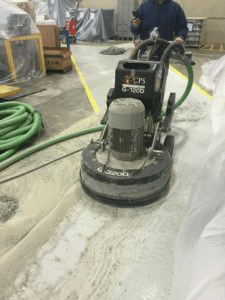
Polished concrete is not simply a clear product applied to the top of a floor. It is a multi-stage mechanical process that refines the slab with progressively finer diamond tooling. A densifier may be used as part of the process to harden and consolidate the concrete surface, helping reduce dusting and improve abrasion resistance.
- Durability for active spaces: A properly refined concrete surface can handle regular foot traffic and, where appropriate, equipment traffic.
- Simpler upkeep: Smooth, dense floors are generally easier to sweep and maintain than porous, dusty concrete.
- More available light: A polished surface can increase reflectivity, which may improve the feel and visibility of an interior.
- A finish integrated with the slab: Polished concrete becomes part of the concrete surface rather than functioning as a wax layer.
Polished concrete versus a coating
Polished concrete and a topical coating solve different problems, so neither is automatically the right answer for every Plymouth property. Polishing refines and densifies the existing concrete, while an epoxy or other coating creates a distinct protective layer over the slab. A coating may be considered when a customer wants a particular color, decorative chip appearance, or added separation from the underlying concrete; polishing is often appealing when the goal is a durable, natural concrete appearance without routine waxing.
Before choosing either path, it is important to look past color samples. Cracks, spalls, previous coatings, contamination, slab flatness, and the desired level of sheen can all influence the scope of preparation and the finished appearance. A thoughtful site assessment helps establish realistic expectations, especially because concrete naturally has variation in aggregate exposure, patches, and color.
How Diamond Coatings approaches concrete surface improvement
Diamond Coatings Epoxy and Concrete Coatings focuses on matching the floor treatment to the demands of the space. For a customer seeking Concrete Flooring Systems, that means considering how the slab will be used before deciding on polish level, preparation needs, or an alternative concrete finish. This approach helps frame the project around function as well as appearance.
A typical project begins with a discussion of the space, the condition of the concrete, and the performance priorities. The floor is then prepared through the methods appropriate to the selected system, which may include cleaning, repair work, mechanical grinding, and removal of incompatible materials. If polished concrete is selected, the slab is refined through successive grinding and polishing stages, with the final sheen determined by the desired look and use requirements.
- Evaluate the slab: Identify visible cracks, surface wear, existing products, and areas that may need repair or extra preparation.
- Define the performance goal: Consider traffic, cleaning routines, lighting, decorative preferences, and how quickly the area needs to return to use.
- Prepare the concrete: Create a clean, mechanically profiled surface so the chosen treatment can perform as intended.
- Refine and finish: Complete grinding, densifying, polishing, or coating steps appropriate to the selected floor solution.
- Plan ongoing care: Use cleaning practices that protect the surface and avoid leaving abrasive debris in high-traffic paths.
Residential spaces that benefit from a refined slab
Homeowners often look at residential concrete flooring systems when a garage, basement, workshop, or living area has an existing concrete slab that needs to be cleaner and more functional. A polished or professionally finished surface can reduce the unfinished appearance of bare concrete while providing a practical floor for daily household use. The finish should be chosen with the room’s moisture exposure, traffic, desired appearance, and maintenance preferences in mind.
For residential projects, visual expectations deserve special attention. Concrete can reveal natural aggregate, prior repairs, and tonal variation as it is ground and refined, which gives the floor character but differs from uniform manufactured tile. Property owners who appreciate an authentic concrete look may value that variation, while those seeking a highly decorative or opaque appearance may wish to compare a coating option.
Commercial floors built around daily operations
Businesses evaluating commercial concrete flooring systems often need a floor that supports customer-facing presentation and routine operational use at the same time. Retail environments, automotive showrooms, offices, and similar spaces may benefit from a smooth, light-reflective concrete surface that is straightforward to maintain. Scheduling, access to work areas, and the need to keep operations moving are practical topics to discuss before work begins.
Commercial flooring decisions should account for more than initial appearance. Ask how the surface will respond to entryway grit, rolling loads, spills, display changes, and routine cleaning equipment. A clear plan for preparation and maintenance can help a business select a floor finish that aligns with both operational demands and the image it wants customers to experience.
Industrial settings demand realistic performance planning
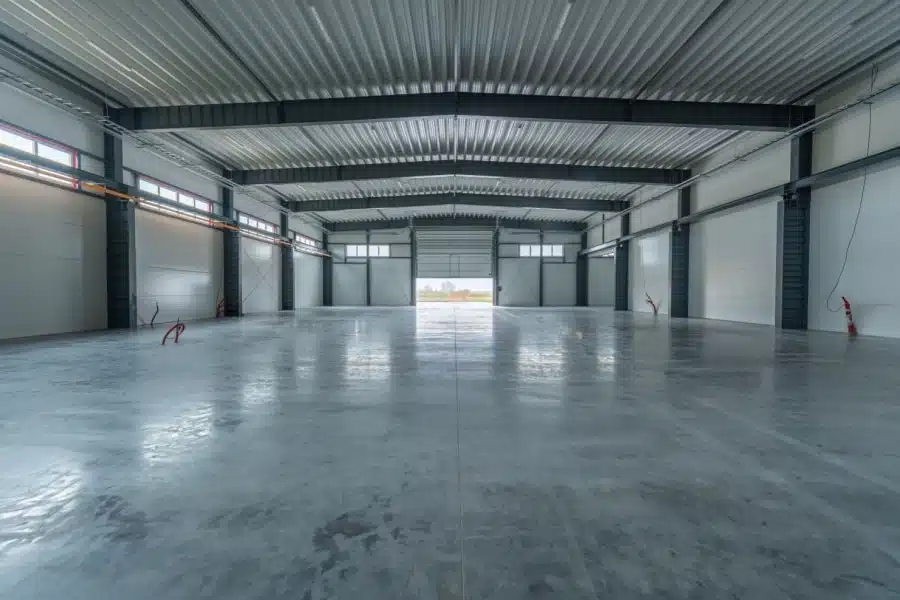
For warehouses, manufacturing areas, and other demanding facilities, industrial concrete flooring systems can provide a dense, durable surface designed around heavy daily use. Polished concrete is commonly considered for its abrasion resistance, dust-reducing qualities, and lack of a wax requirement. The suitability of a particular system still depends on site-specific conditions such as equipment traffic, impact exposure, chemical contact, and the current condition of the slab.
Industrial operators should identify problem zones before selecting a finish. Loading areas, fork truck lanes, production zones, and locations exposed to oils or aggressive materials may have different needs than low-traffic storage areas. Sharing those realities during an estimate conversation allows the flooring recommendation to be grounded in the facility’s actual work rather than a one-size-fits-all description.
What to consider before selecting a concrete floor contractor
The quality of the finished floor is closely tied to preparation, not just the final gloss or color. Ask a prospective provider how the existing slab will be evaluated, how cracks or damaged spots will be addressed, what finish options are appropriate, and what maintenance the completed floor will need. It is also wise to discuss how the work area will be accessed and how the project may affect nearby operations, furnishings, or vehicles.
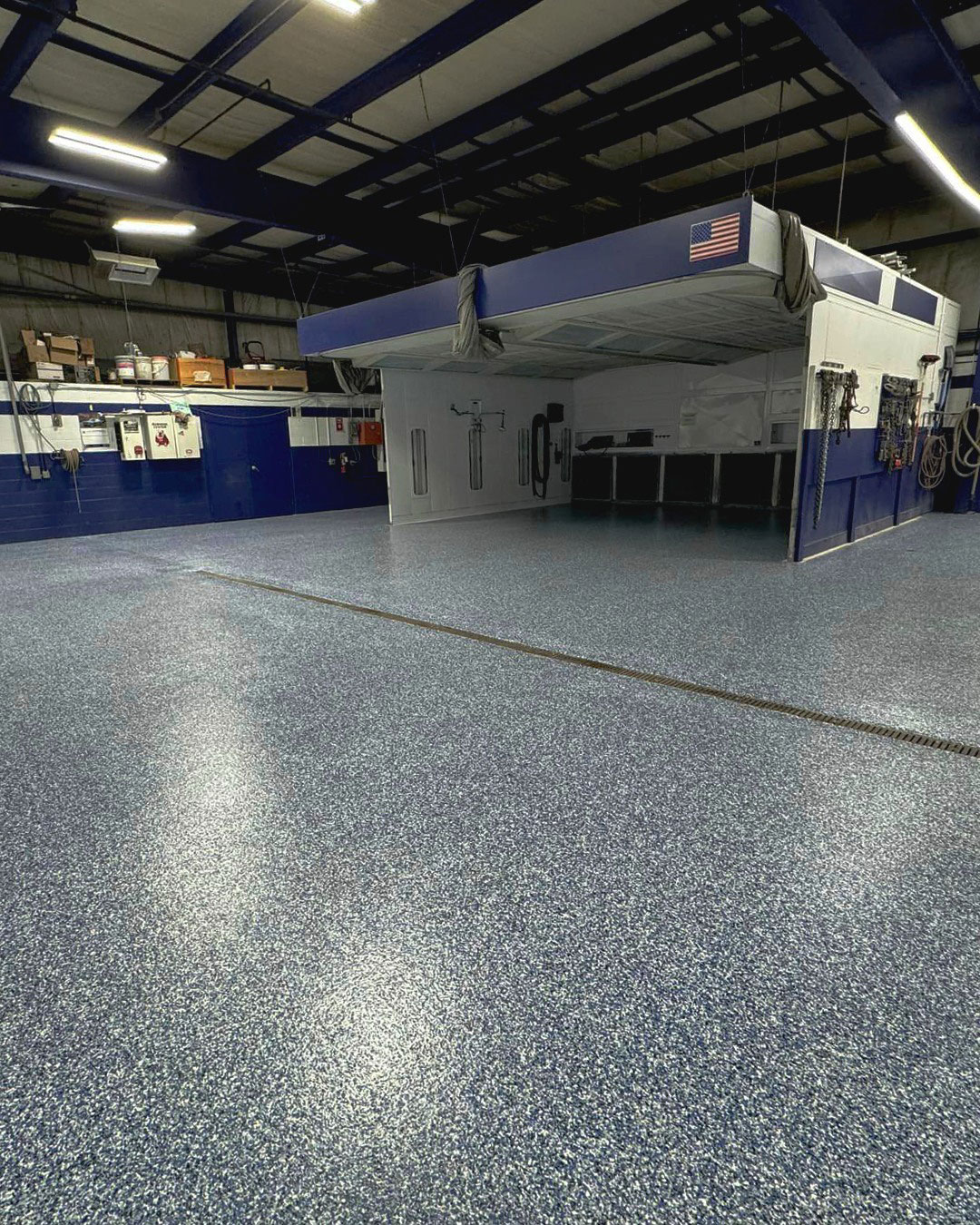
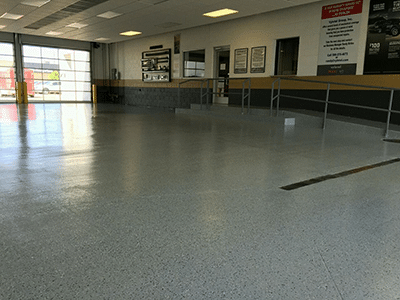
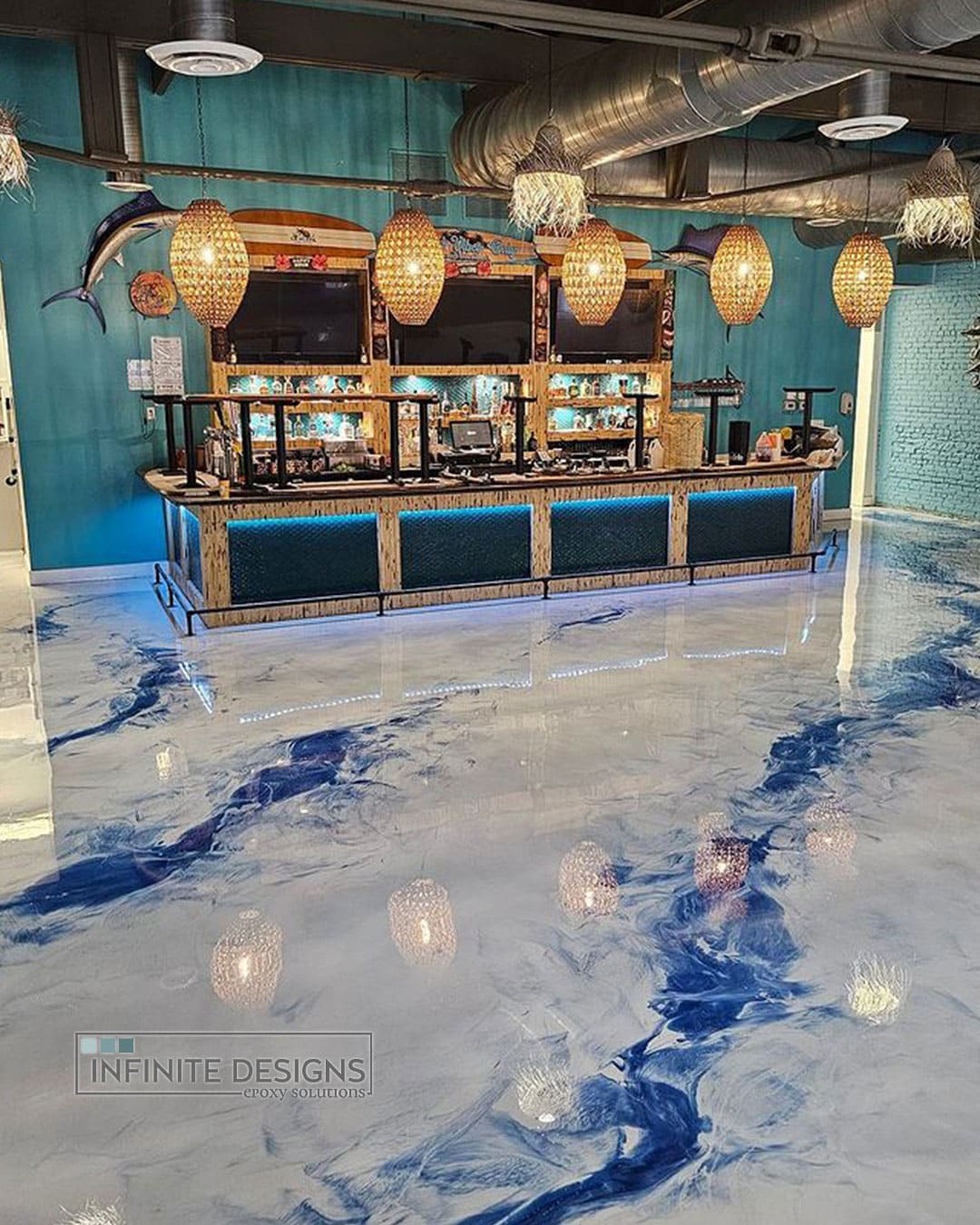
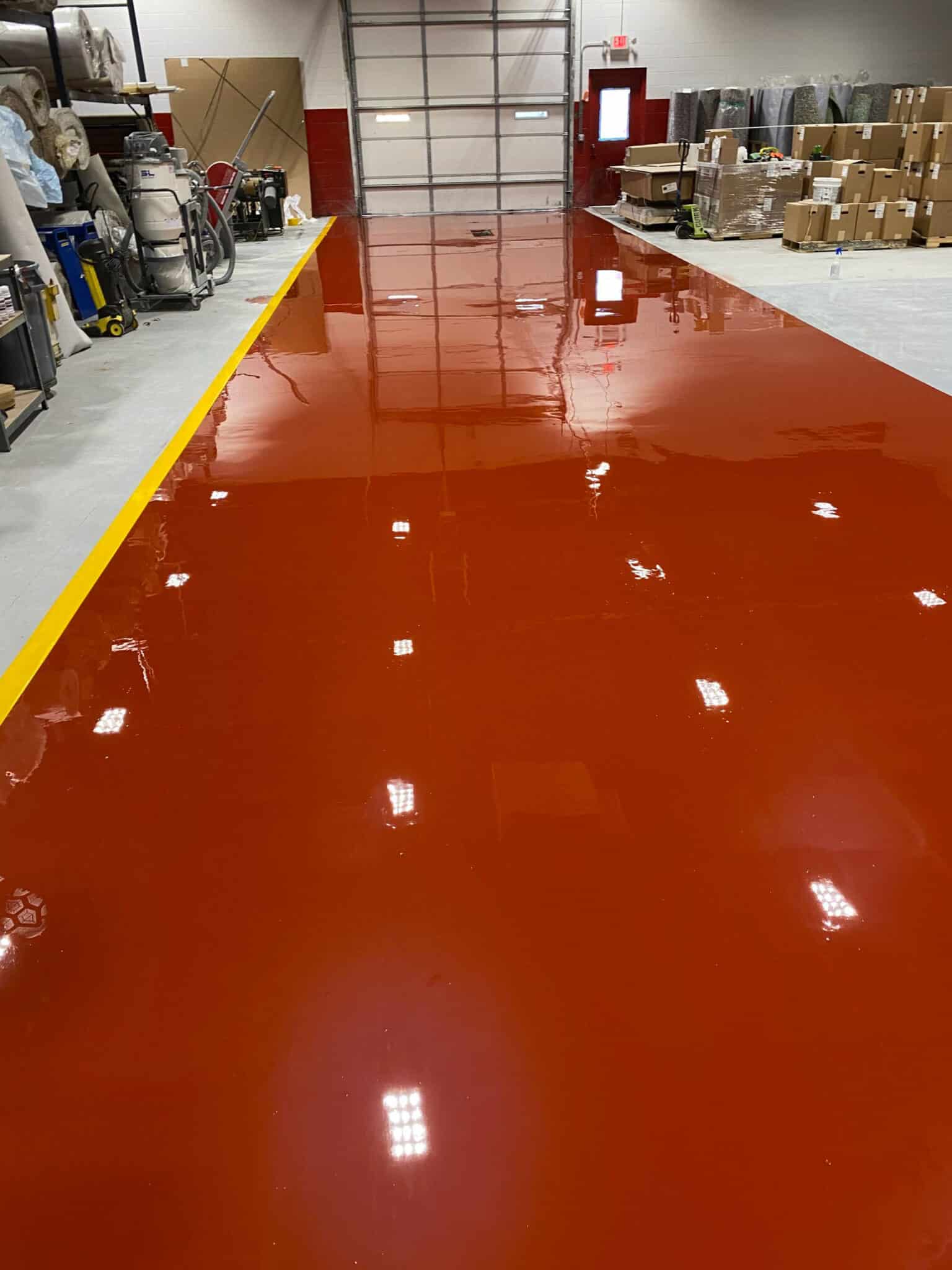
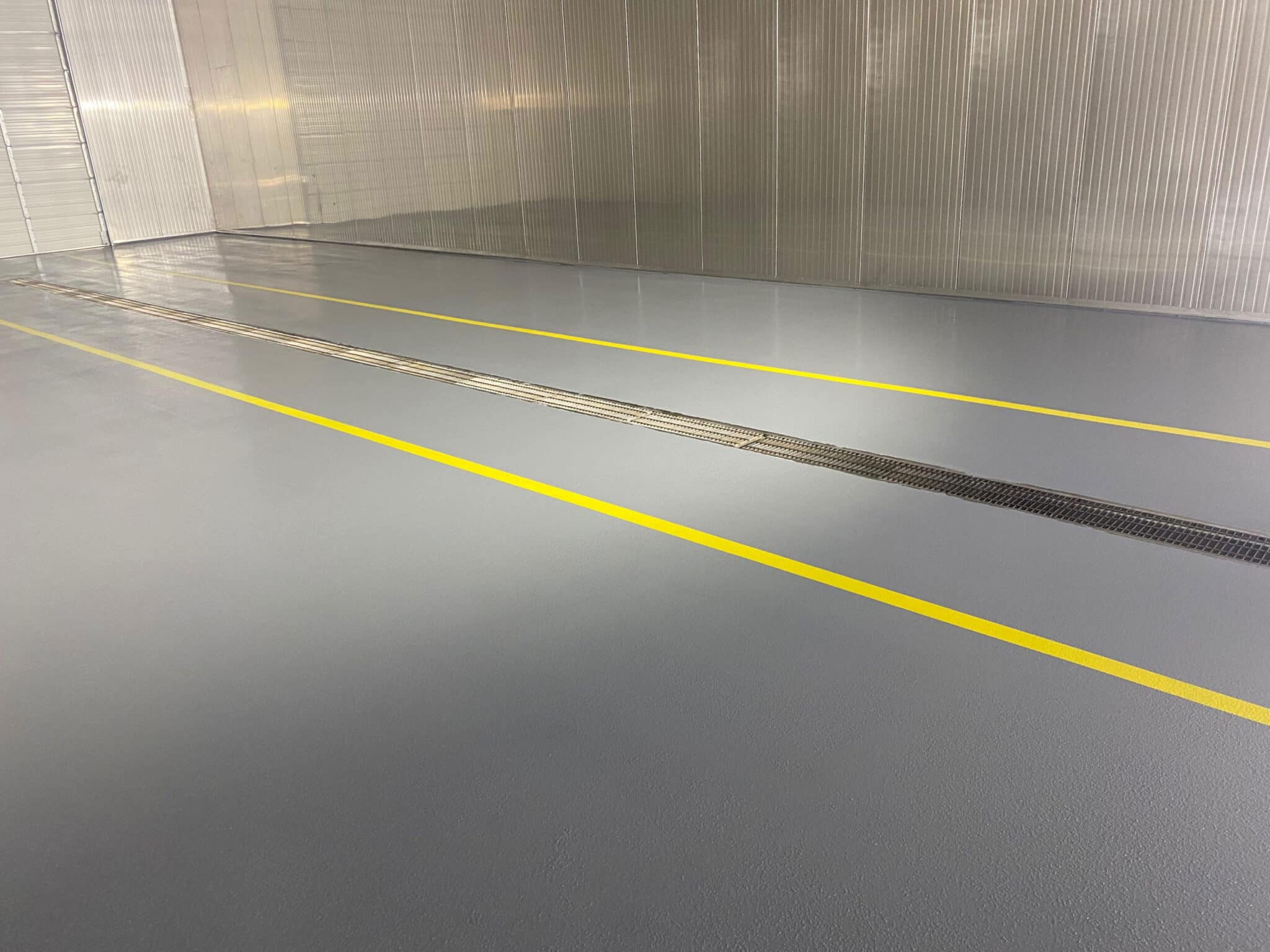
Seeing completed installations can make the differences between finishes easier to understand. Visit our work to review examples of concrete coating and flooring projects from Diamond Coatings Epoxy and Concrete Coatings. Looking at real project imagery can help you communicate whether you prefer a natural polished look, a decorative system, a higher sheen, or a finish designed primarily around function.
Feedback from past customers is another useful part of a considered decision, especially when it is read alongside a clear conversation about your own floor’s needs. The client reviews page provides an additional way to learn about customer experiences with Diamond Coatings Epoxy and Concrete Coatings. Reviews do not replace a slab evaluation, but they can help a prospective customer prepare more informed questions for an appointment.
Care expectations after installation
A concrete floor performs best when routine care fits its finish and environment. Regular dry removal of grit helps limit abrasion, while prompt attention to spills supports a cleaner working or living space. Use cleaning products and methods appropriate for the installed system, and avoid assuming that any concrete finish is immune to every chemical, impact, or maintenance practice.
Polished concrete is often valued for manageable upkeep, but low maintenance does not mean no maintenance. Entry mats, sensible cleaning intervals, and attention to high-traffic areas can preserve the appearance of the surface. If the floor’s use changes substantially, such as adding heavier equipment or introducing new materials, reassessing the maintenance plan is a practical step.
Plan your Plymouth flooring project with clear expectations
Diamond Coatings Epoxy and Concrete Coatings can help Plymouth, MI property owners begin with the important questions: What condition is the slab in, what will the floor need to withstand, and what result makes sense for the space? With its location in Shelby Township, Michigan, the company offers a starting point for discussing polished concrete and related concrete flooring options without treating every floor as the same project.
If you are ready to move from a dusty, worn, or unfinished slab to a surface built for its intended use, request an appointment to discuss your project. Share the space type, existing floor condition, and goals so the conversation can focus on an appropriate solution. Request an estimate from Diamond Coatings Epoxy and Concrete Coatings and take the next step toward a concrete floor that works harder for your Plymouth property.
Concrete flooring questions from Plymouth property owners
What is polished concrete, and how is it different from sealed concrete?
Polished concrete is mechanically ground and refined with diamond abrasives, then typically densified to create a harder, smoother surface. A sealer is generally applied over concrete as a protective treatment. Polishing changes the slab surface itself and can produce increasing levels of reflectivity without relying on wax.
Can an existing concrete slab be polished if it has cracks or patches?
Often, existing concrete can be evaluated for polishing or another flooring treatment, but cracks, patches, stains, and prior repairs may remain visible or influence the final appearance. Preparation and repair needs should be discussed during an estimate appointment so expectations match the slab’s actual condition.
Are concrete flooring systems appropriate for both homes and businesses in Plymouth, MI?
Yes. A concrete floor can be considered for residential garages, basements, and workspaces, as well as commercial showrooms, retail areas, warehouses, and industrial facilities. The appropriate finish depends on traffic, appearance goals, cleaning needs, and the condition of the existing slab.
Where is Diamond Coatings Epoxy and Concrete Coatings located?
Diamond Coatings Epoxy and Concrete Coatings is located in Shelby Township, MI and provides concrete flooring services in Plymouth, MI. Contacting the company for an estimate appointment is the appropriate way to discuss your property, flooring goals, and project-specific considerations.