Industrial Polymer Coatings In Madison Heights, MI
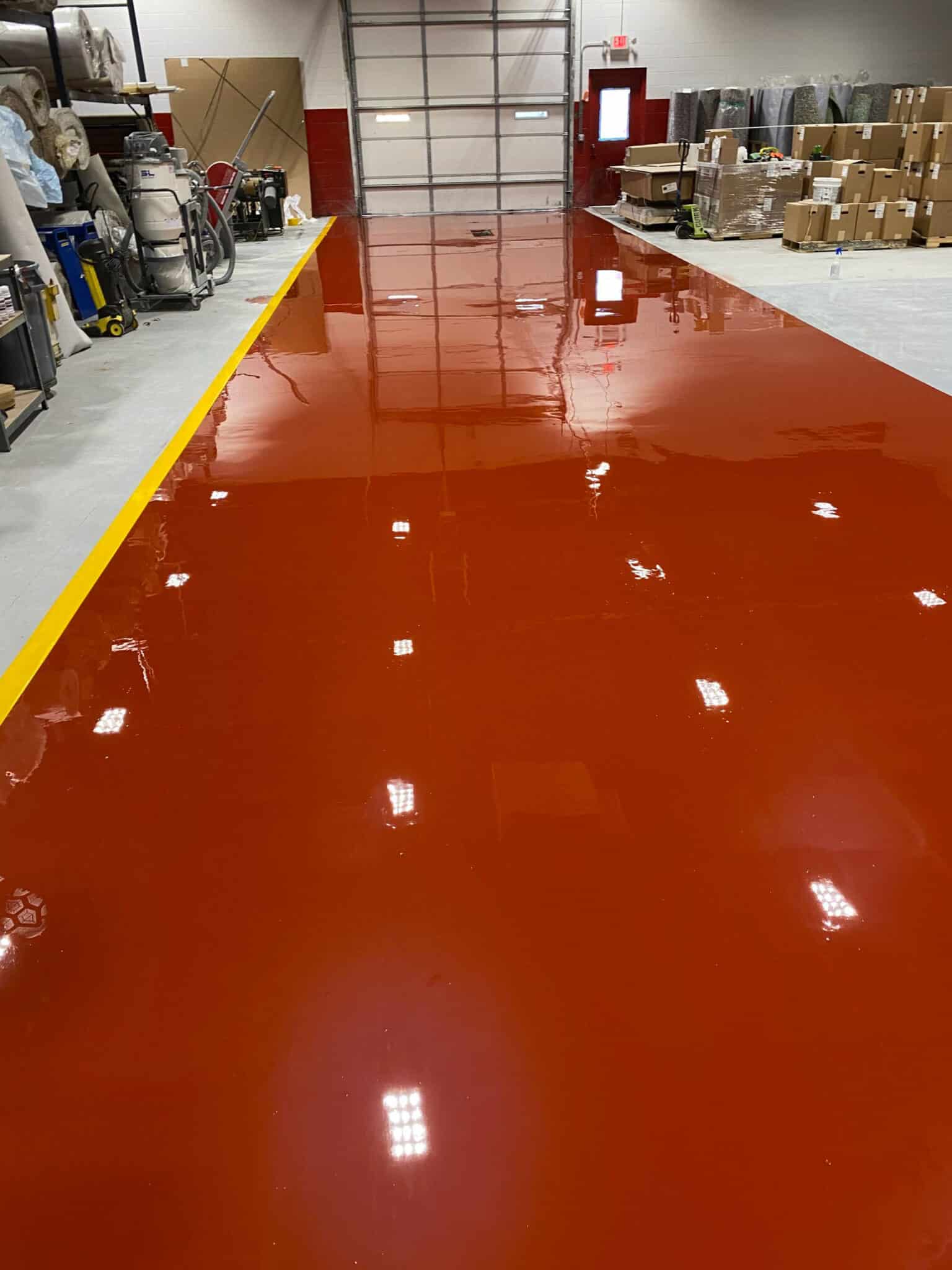
Industrial Polymer Coatings give concrete floors in Madison Heights, MI a durable, cleanable working surface built for demanding daily use. For warehouses, automotive areas, production spaces, schools, offices, and other commercial settings, the right resinous system can help protect concrete from abrasion, traffic, stains, and routine wear while improving the appearance and organization of the floor.
Diamond Coatings Epoxy and Concrete Coatings is based in Shelby Township, MI and provides commercial and industrial flooring solutions for customers evaluating floor coating options in Michigan. The practical goal is not simply to cover concrete. It is to select a surface system that suits the facility’s traffic, cleaning routine, exposure conditions, operational needs, and visual requirements.
What an industrial polymer floor system can solve
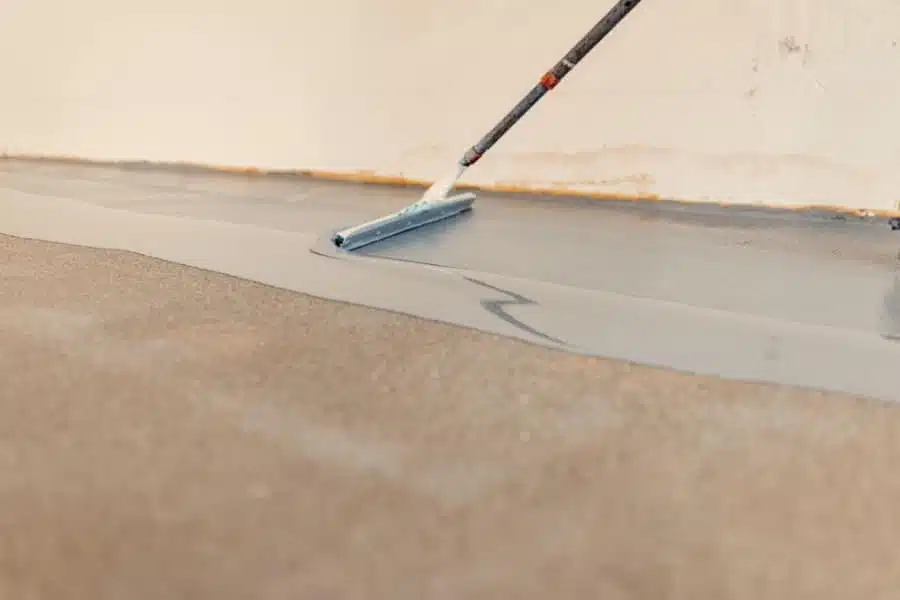
Industrial polymer flooring is a category of high-performance coatings applied over prepared concrete to create a continuous protective layer. Epoxy, urethane, and other resin-based materials can be selected for different conditions, including heavy loads, repeated foot traffic, vehicle activity, chemical exposure, or a need for a smoother and easier-to-maintain surface. A properly planned coating system addresses both concrete protection and day-to-day facility function.
Many businesses seek a coating after seeing dusting concrete, surface wear, cracks, stains, failing old finishes, or difficult cleanup. Bare concrete is porous, so it can absorb liquids and become harder to keep presentable over time. A seamless resin floor can make routine maintenance more straightforward while providing a defined, professional-looking work environment.
- Warehouses and distribution areas that need a resilient surface under carts, pallets, and vehicle traffic
- Automotive and service environments where fluids, tire traffic, and cleanup are everyday concerns
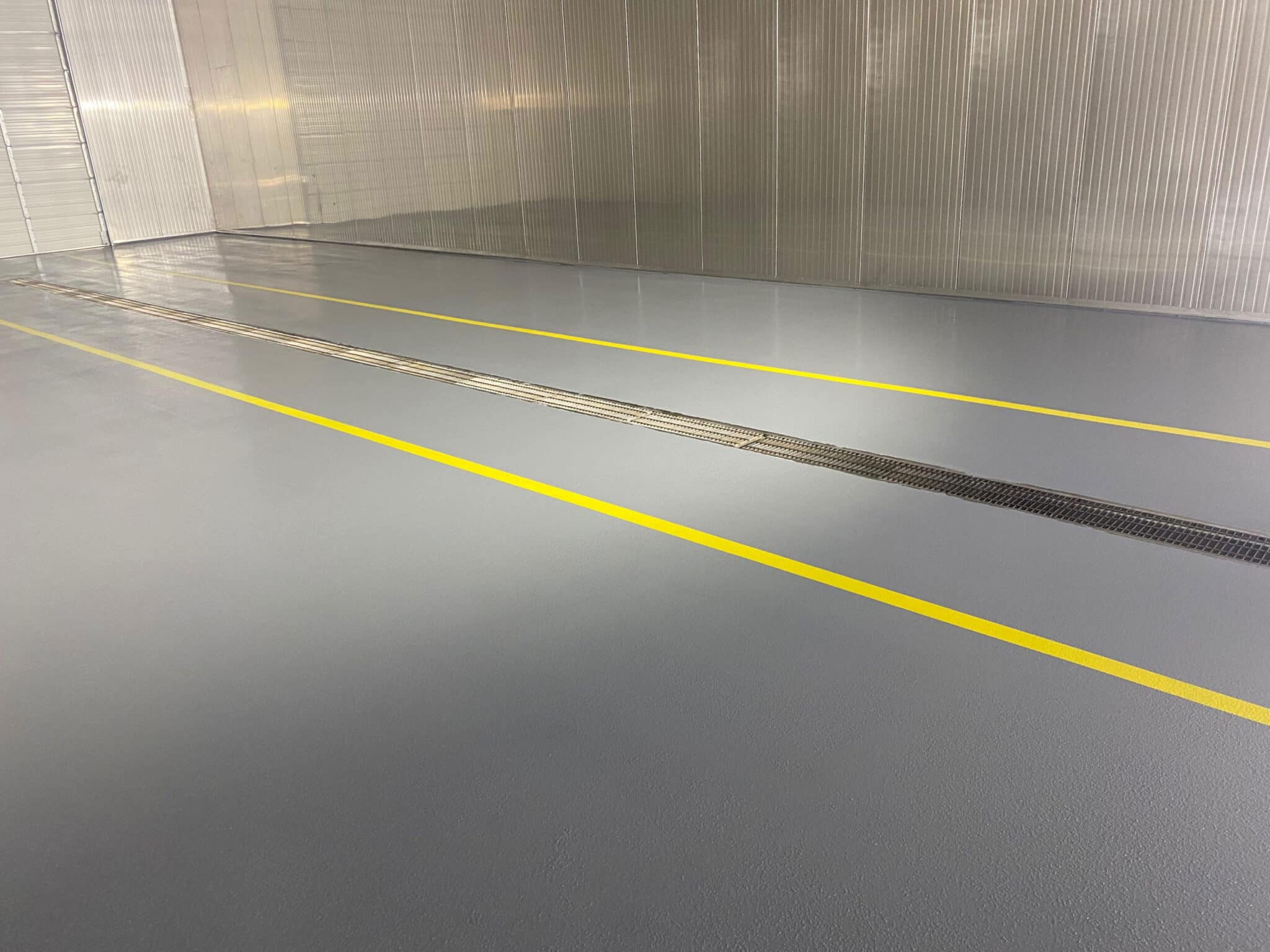
- Industrial facilities that need designated work zones, aisles, or safety-oriented traffic markings
- Schools, offices, and commercial buildings seeking a durable alternative to deteriorating concrete or worn floor finishes
Performance starts with the condition of the concrete
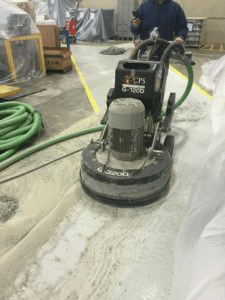
A coating is only as dependable as the concrete beneath it and the preparation completed before installation. The floor should be evaluated for contamination, moisture-related concerns, cracks, old adhesives, loose material, and areas of damage. Surface preparation creates the profile needed for the coating to bond, while crack repair and removal of tile or glue can address conditions that would otherwise affect the finished floor.
Facility owners should also consider how the space is used rather than choosing a material based on appearance alone. A light-duty storage room and an active manufacturing or vehicle area may require different approaches to thickness, topcoat selection, texture, and chemical resistance. Asking how a system will handle actual traffic, cleaning products, and expected exposure is more useful than assuming every epoxy floor performs the same way.
A practical coating plan for working facilities
Diamond Coatings Epoxy and Concrete Coatings offers commercial and industrial services that include 100% solid epoxy, urethane coatings, quartz flooring, acid stain, decorative concrete stain, polished concrete, crack repair, tile and glue removal, and general floor maintenance. This range matters because a facility may need more than one solution: repairs and preparation in one zone, a protective coating in another, and visual traffic organization across the workspace.
For a clear overview of available commercial flooring options, businesses can review industrial polymer coatings in the context of epoxy floors, urethane systems, aisle striping, and related concrete services. The best choice depends on the substrate and intended use, not on a one-size-fits-all coating label. A conversation about the floor’s current condition and operating demands helps narrow the options before work begins.
- Discuss the space and its use. Identify traffic types, operational constraints, appearance goals, cleaning practices, and areas of visible damage.
- Assess and prepare the substrate. Address repairs, residue, existing coatings, and surface conditions that affect adhesion.
- Select the system and details. Choose the appropriate coating approach, color direction, texture, and any markings or logo elements needed for the floor.
- Coordinate installation around operations. Plan access and downtime considerations so the project supports the facility’s working schedule as reasonably as possible.
- Maintain the finished surface. Use suitable cleaning methods and address damage promptly to help preserve the appearance and service life of the flooring.
Epoxy, urethane, polished concrete, and other choices
Epoxy is commonly considered when a facility wants a high-build, smooth, durable coating over concrete. Urethane coatings may be considered as part of a system where a protective top layer and resistance characteristics are important. Quartz flooring introduces aggregate into the system for a more textured, durable finish, while polished concrete is a different path for facilities that prefer to refine the existing slab rather than apply a resinous coating over it.
The tradeoff is simple: the most decorative option is not automatically the best fit for an industrial workload, and the most utilitarian finish is not always necessary for a customer-facing area. Texture can support traction but may affect cleaning ease. A smooth finish can simplify sweeping and mopping, but the intended environment should guide the final specification.
Organization, safety cues, and visual continuity
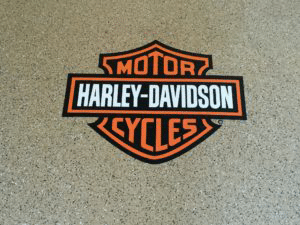
A floor can serve as a functional communication tool as well as a protective surface. Aisle traffic striping can help define travel lanes and work zones, while floor logos can reinforce identity in appropriate commercial spaces. Thoughtful use of color and boundaries can make a large area easier to navigate without relying on temporary tape or inconsistent markings.
Color selection should support the purpose of the room, lighting conditions, and the visibility needs of employees and visitors. The available base colors provide a starting point for considering a clean, uniform field color that fits the surrounding space. A practical color can also help a facility balance presentation with the realities of everyday dust, scuffs, and maintenance.
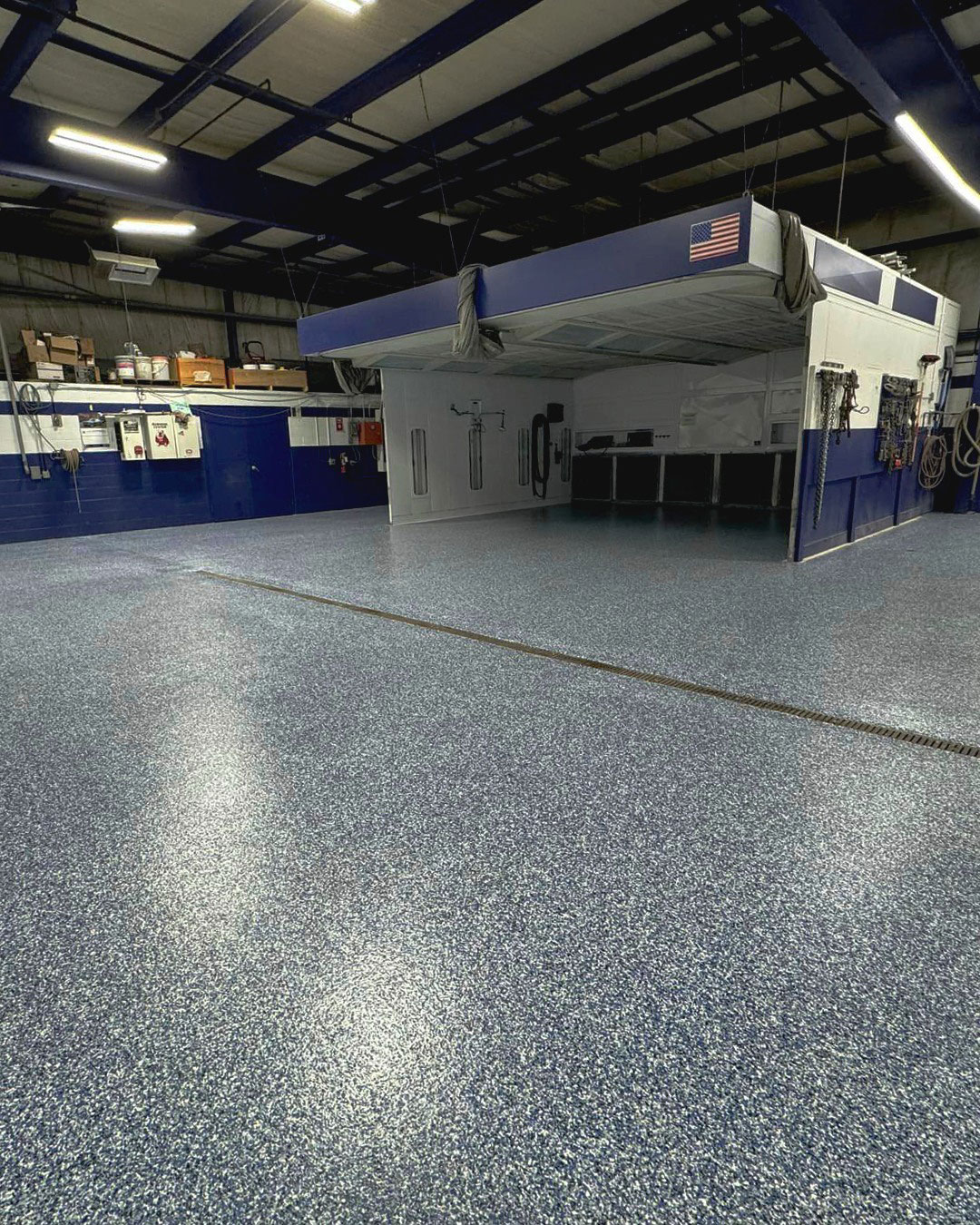
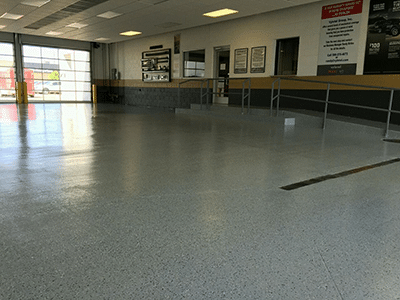
In commercial spaces where appearance is part of the customer experience, decorative chips can add visual variation and depth to a coated floor. Chip systems are generally better suited to areas where design and a finished appearance matter alongside durability, rather than being assumed as the answer for every high-traffic industrial zone. Reviewing the intended use helps determine whether a decorative broadcast finish, a solid-color system, or another surface is the sensible choice.
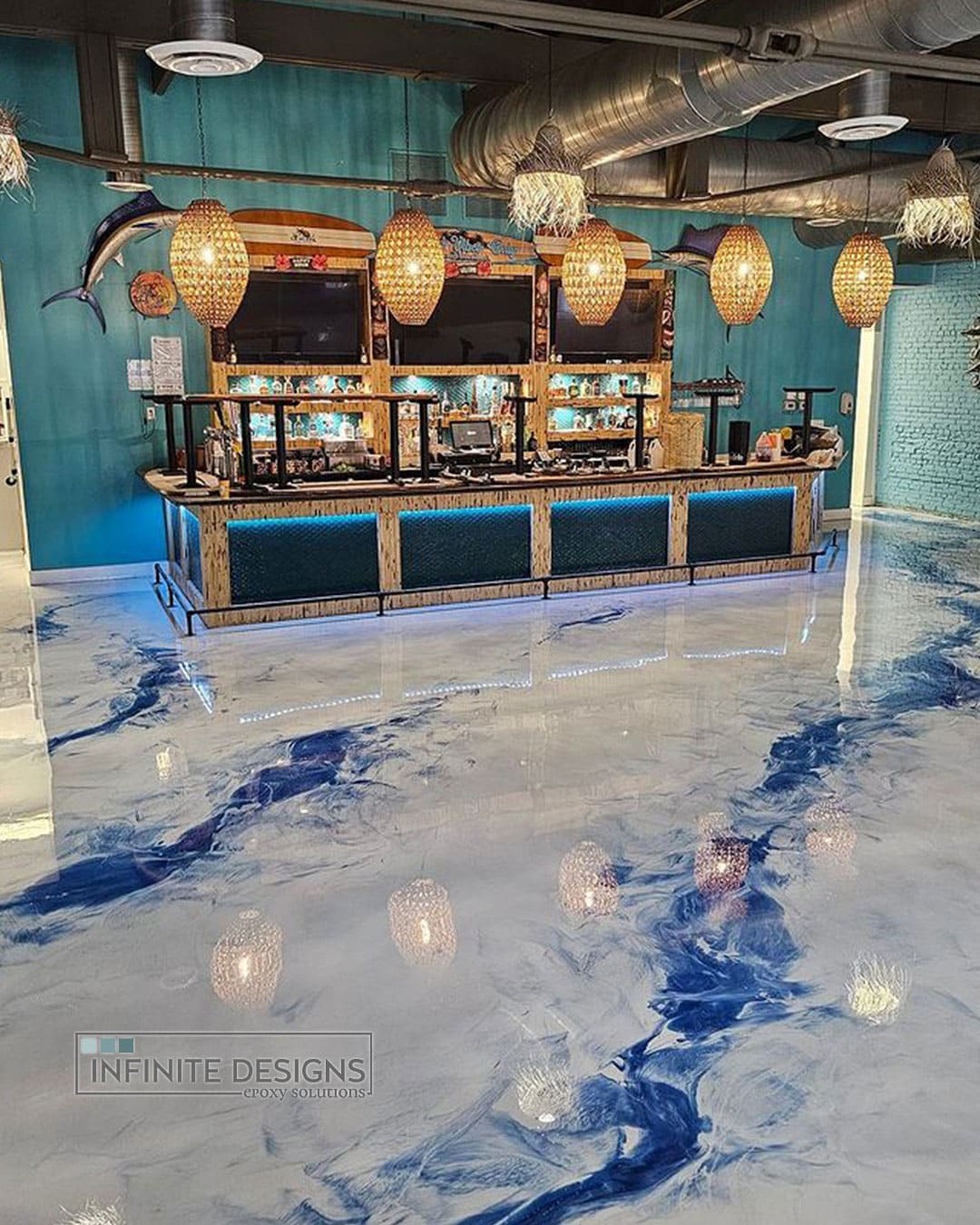
For select design-driven applications, metallic additives can create movement and reflective visual effects within a resin floor. This type of finish is typically a design consideration for showrooms, offices, or statement areas, where the desired look is as important as the protective coating function. It should be chosen with realistic expectations about lighting, layout, and the level of visual variation desired.
What to look for before choosing a coating provider
A useful estimate discussion should focus on the actual floor, not only the square footage. Customers should be prepared to describe what is currently on the concrete, whether the area has cracks or adhesive residue, the kinds of wheels or loads that cross it, and whether downtime must be coordinated around production or business hours. Those details affect preparation and the appropriate coating recommendation.
It is also reasonable to ask how repairs, edge details, joints, striping, and cleanup will be addressed. If the project involves an existing floor covering, clarify whether removal is needed and what condition may be found below it. Clear expectations about the scope help a business compare proposals based on work required, not just a final surface description.
Examples can make it easier to evaluate finish style, color combinations, and the range of completed flooring projects. The our work gallery offers a useful visual reference for customers considering epoxy, concrete coating, and polished concrete possibilities. Looking at examples does not replace a site-specific evaluation, but it can help a decision-maker communicate preferences and identify details worth discussing.
Feedback from previous customers can be another useful source of perspective when comparing local service providers. Reading client reviews may help a prospective customer understand the types of projects and service experiences others chose to share. Reviews should be one part of the decision alongside a clear scope, material discussion, and an assessment of the facility’s needs.
Plan your Madison Heights flooring project with clarity
For a business in Madison Heights, the first step is to define the problem the floor needs to solve. A worn warehouse slab, an automotive service floor, a commercial entry, and a back-of-house work area can each call for different levels of protection, texture, appearance, and maintenance planning. Diamond Coatings Epoxy and Concrete Coatings can help customers explore commercial and industrial concrete floor options from its Shelby Township, Michigan location.
A durable floor system is a long-term facility decision, so it is worth discussing use conditions before selecting a color or finish. Whether the priority is protecting concrete, improving cleanability, creating clearly marked aisles, updating a customer-facing surface, or repairing a damaged slab before coating, a defined project scope creates a stronger starting point. Request an appointment to discuss the space and obtain an estimate tailored to the flooring work under consideration.
Questions about industrial floor coatings
What are Industrial Polymer Coatings used for in a commercial facility?
Industrial Polymer Coatings are resin-based floor systems applied over prepared concrete to protect the slab and create a durable, more easily maintained surface. They are commonly considered for warehouses, automotive spaces, industrial areas, offices, and other locations with traffic, staining, or wear concerns.
Can a coating be installed over cracked or previously covered concrete?
Concrete cracks, old tile, glue residue, and failing materials should be evaluated before a new system is installed. Preparation may include crack repair, tile and glue removal, and surface work so the coating has an appropriate substrate for adhesion.
Is epoxy always the right choice for an industrial floor?
Not necessarily. Epoxy is a common high-performance option, but urethane coatings, quartz flooring, polished concrete, and other approaches may better match specific traffic, exposure, texture, or appearance needs. The floor’s condition and daily use should guide the recommendation.
Does Diamond Coatings Epoxy and Concrete Coatings have an office in Madison Heights, MI?
Diamond Coatings Epoxy and Concrete Coatings is located in Shelby Township, MI, not Madison Heights. The company provides commercial and industrial flooring services for customers seeking coating solutions in Madison Heights and surrounding Michigan communities.
Ready to evaluate your concrete floor? Schedule an appointment with Diamond Coatings Epoxy and Concrete Coatings to discuss Industrial Polymer Coatings for your Madison Heights, MI facility. Contact the Shelby Township, MI team through the request an estimate form to begin a practical conversation about preparation, coating options, and your project goals.