Industrial Floor Coatings In Madison Heights, MI
Industrial floors have to do more than cover concrete. In warehouses, automotive work areas, production spaces, storage rooms, and busy commercial facilities, the surface must stand up to traffic, simplify cleanup, and support a more organized workplace. Diamond Coatings Epoxy and Concrete Coatings provides Industrial Floor Coatings in Madison Heights, MI, helping property owners evaluate coating and concrete-finish options for demanding work environments.
Based in Shelby Township, MI, Diamond Coatings Epoxy and Concrete Coatings specializes in epoxy floor coating and concrete floor polishing for commercial, industrial, and residential clients. For a Madison Heights facility, the right recommendation starts with how the floor is actually used: what moves across it, what reaches the slab, what condition the concrete is in, and what operational demands the finished surface must meet.
Make the Concrete Floor Work Harder for Your Facility
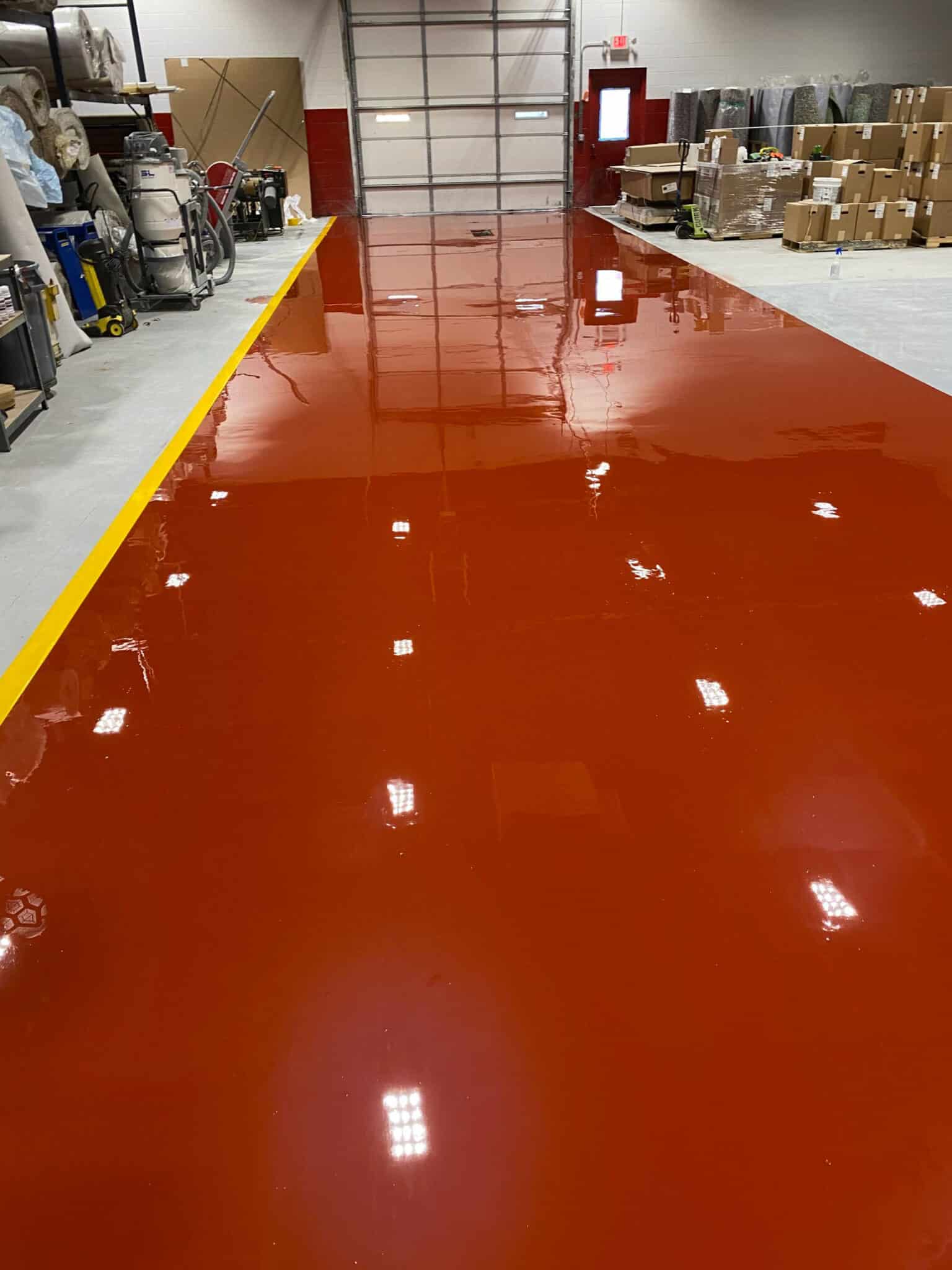
A properly selected industrial coating system creates a continuous, durable wearing surface over prepared concrete. It can help facilities reduce concrete dust, improve resistance to routine wear, and make dirt, debris, and many common shop contaminants easier to identify and remove. The goal is not simply a shinier floor. It is a surface designed around the way people, equipment, materials, and maintenance practices interact every day.
For managers comparing options, Industrial Floor Coatings and industrial epoxy flooring are practical solutions when bare concrete is becoming difficult to maintain or no longer presents the right working surface. Epoxy systems are commonly applied over concrete to form a smooth, high-performance finish that can withstand heavy use when the substrate and coating system are properly matched. Diamond Coatings Epoxy and Concrete Coatings also offers urethane coatings, polished concrete, quartz flooring, acid stain, decorative concrete stain, and related floor services.
Problems that often point to a coating project
Concrete is tough, but it is porous and can deteriorate at the surface under abrasion, impact, moisture exposure, and neglected repairs. A coating consultation is especially useful before small issues become broader maintenance problems. It also gives facility stakeholders a chance to align appearance, cleanup expectations, and traffic organization in one project scope.
- Powdery concrete dust that transfers to products, equipment, or footwear
- Worn or stained areas that are difficult to clean thoroughly
- Cracks, old adhesive, tile remnants, or failing surface materials
- High-traffic zones where forklift, cart, pallet jack, or vehicle use is concentrated
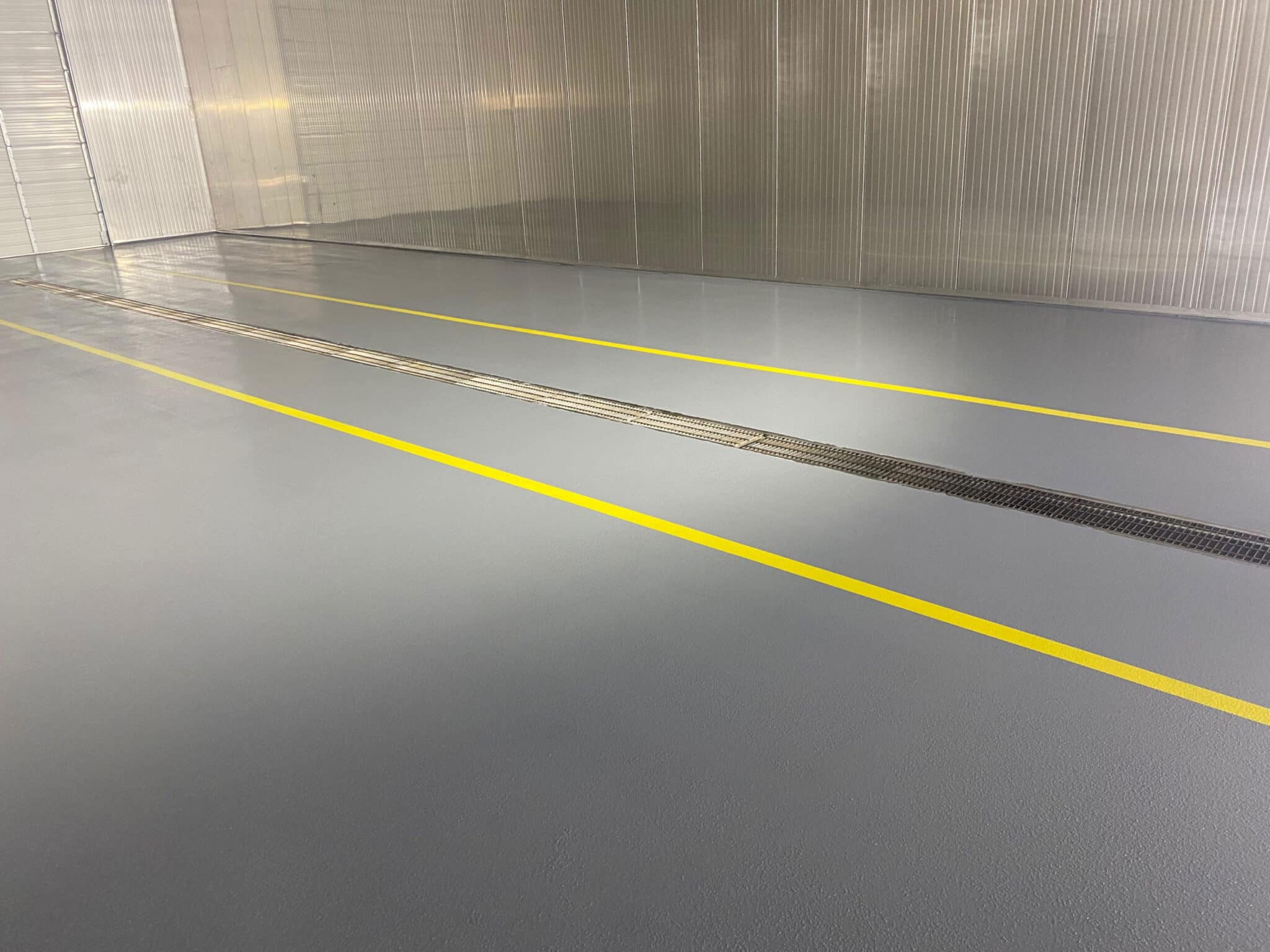
- A need for marked travel paths, work zones, safety boundaries, or visual organization
- Concrete that no longer supports the professional appearance expected in a commercial setting
Industrial flooring is not a one-material decision. A 100% solids epoxy may be considered for a robust seamless coating, while urethane coatings can be evaluated where a project calls for a different performance profile. Polished concrete is another legitimate alternative for facilities that prefer a mechanically refined concrete finish rather than a film-forming coating. The best path depends on slab condition, traffic, cleaning routine, moisture considerations, and the function of each area.
Start with Surface Preparation and a Clear Plan
Lasting performance depends heavily on the concrete beneath the finish. Before applying an epoxy or urethane system, a professional needs to assess surface contamination, prior coatings, cracking, adhesion concerns, and the repairs needed to create a suitable foundation. Skipping preparation can leave even a quality coating vulnerable to premature failure.
What the project experience can include
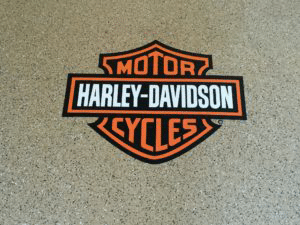
Every Madison Heights, Michigan facility has its own schedule, floor layout, and access constraints, so project details should be discussed during the estimate process. Diamond Coatings Epoxy and Concrete Coatings can address services such as crack repair, tile and glue removal, general floor maintenance, aisle traffic striping and removal, floor logos, and commercial and residential painting in addition to concrete coating and polishing work. Discussing these needs early helps avoid treating necessary preparation or markings as afterthoughts.
- Review the use of the space. Identify traffic types, work activities, cleaning practices, troublesome areas, and any desired visual zoning.
- Inspect the existing floor. Evaluate the concrete, cracks, old coatings, adhesive, stains, and conditions that may affect preparation.
- Define the finish system. Compare epoxy, urethane, polished concrete, quartz, or stain options based on practical performance and visual goals.
- Prepare and repair the substrate. Address removal work and concrete repairs required before the new finish is installed.
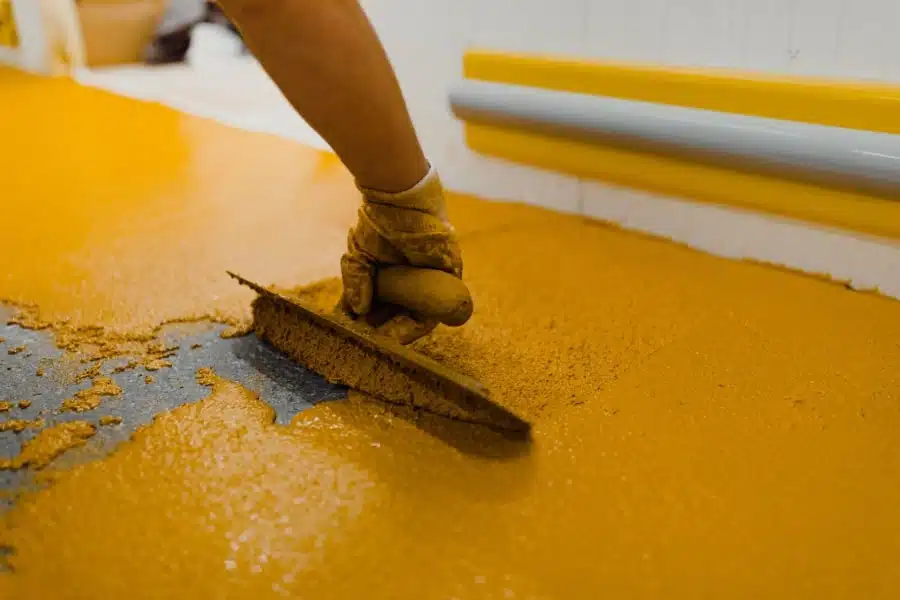
- Apply the selected finish and planned details. This may include coating layers, decorative elements, logos, or traffic striping as appropriate to the scope.
Operational planning matters just as much as product selection. Ask how areas can be sequenced, what needs to be moved or protected, and when the floor should be returned to use. A realistic plan accounts for surface preparation, application steps, and curing time instead of treating an industrial floor as a quick cosmetic upgrade.
Choose details that improve usability, not just appearance
Color and finish choices can help a large work floor communicate clearly. Lighter or mid-tone surfaces may make debris and spills easier to see, while designated colors can help distinguish lanes, staging areas, or work zones. The right visual approach should support the facility’s maintenance habits and workflow, rather than introduce a finish that is difficult to keep looking consistent.
Reviewing base colors is a useful first step when a facility wants a clean, intentional floor without overcomplicating the design. A foundational color influences how marks, dust, and normal use show over time, so it should be selected with lighting, maintenance expectations, and the surrounding workspace in mind. A consistent base can also provide a practical backdrop for aisle striping or floor graphics.
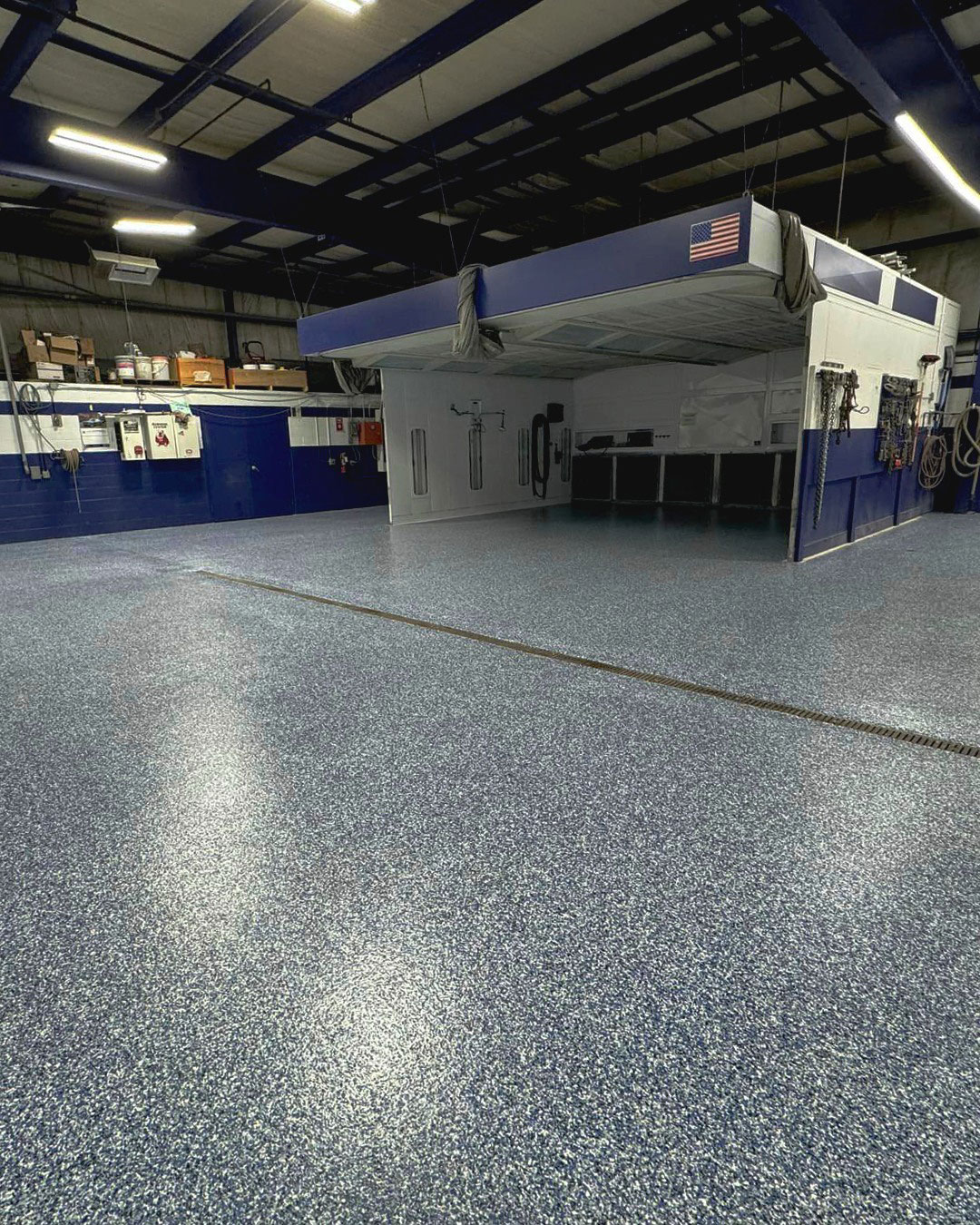
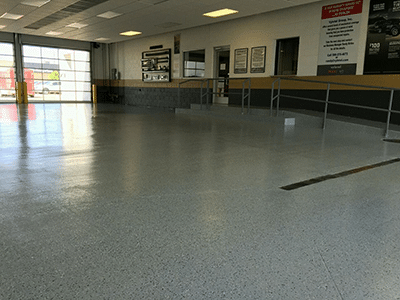
For projects that need more texture or visual variation, decorative chips can be incorporated into a coating design to create a multi-tonal finish. Chip systems are often considered where appearance is important and a more visually forgiving surface is desirable. The selected blend should still suit the room’s function, including how the floor will be cleaned and whether traffic markings need to remain highly visible.
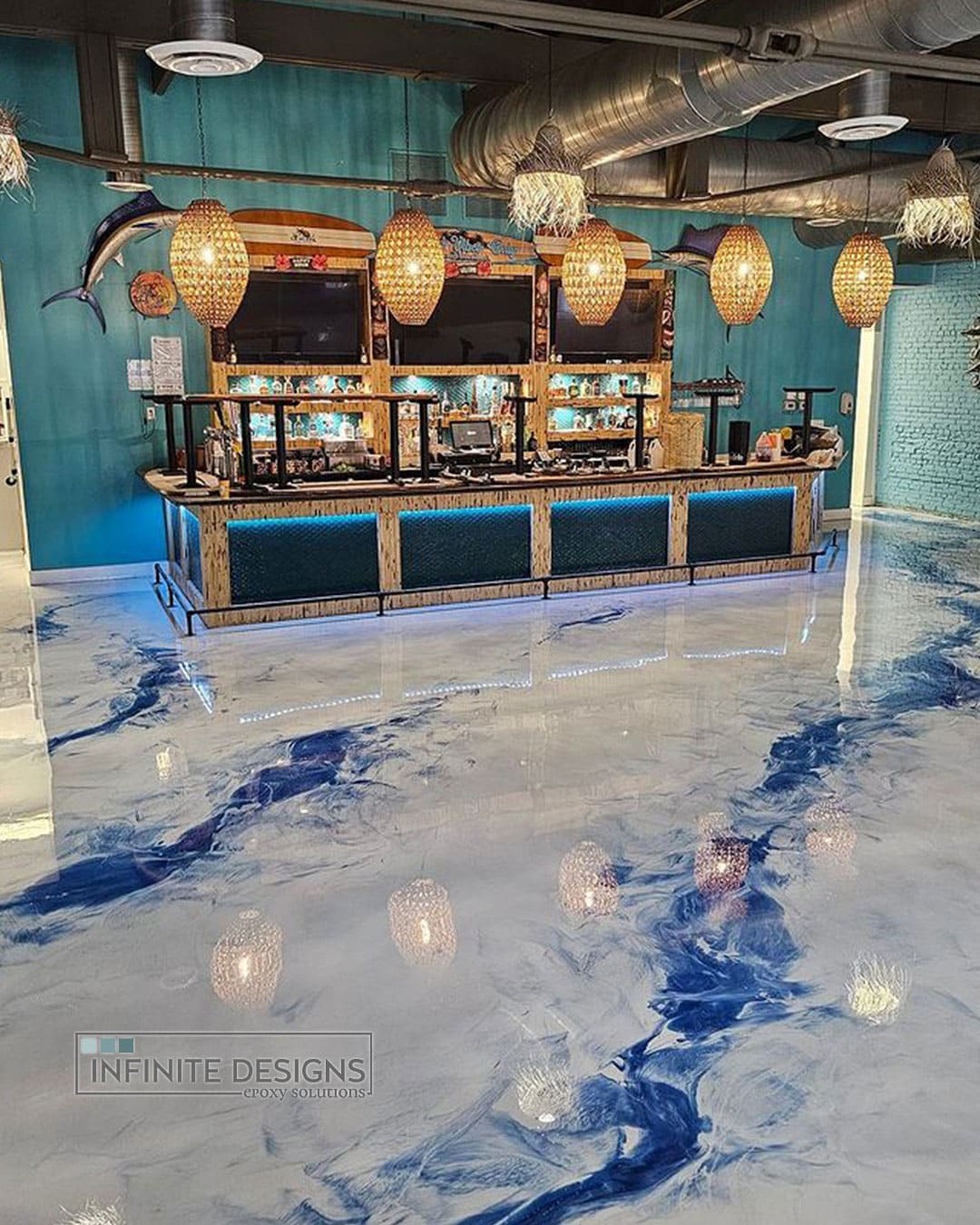
metallic additives offer a different design direction by producing movement and depth that a solid-color system does not provide. This option may be more appropriate for customer-facing commercial areas, offices, showrooms, or defined feature spaces than for every high-abuse industrial zone. Discussing the intended use of each room helps determine whether a decorative effect supports the project or whether a straightforward performance-oriented finish is the better investment.
Why Madison Heights Property Owners Can Compare Options with Confidence
Diamond Coatings Epoxy and Concrete Coatings offers a broad mix of commercial and industrial floor services, allowing the conversation to begin with the facility problem rather than a predetermined finish. Industrial facilities, automotive environments, schools and offices, warehouses, and other commercial buildings can have very different priorities. A warehouse may focus on heavy traffic and maintenance, while an office-adjacent work area may also need a polished, cohesive appearance.
Looking through our work can help a prospective customer visualize the range of coating, concrete polishing, and finish possibilities before requesting an estimate. Project examples are useful for comparing visual outcomes, recognizing the role of preparation, and identifying details worth discussing for a particular space. They should inform questions, not replace an assessment of the actual concrete slab and job conditions.
It is also reasonable to read client reviews as part of choosing a contractor for an industrial floor project. Reviews can provide perspective on the customer experience, while a direct estimate conversation lets you discuss the specific floor, service scope, and timing that matter to your facility. For a meaningful comparison, ask each provider how they approach substrate preparation, repairs, material selection, work sequencing, and care after installation.
Questions worth considering before requesting an estimate
A better project brief leads to a more useful estimate. Gather basic information about the building’s use and current floor condition, then be prepared to point out the areas causing the most disruption. If your operation has special sanitation, chemical, or regulatory requirements, raise them during the conversation so the suitability of the proposed finish can be considered carefully.
- What traffic, loads, impacts, or rolling equipment will the floor experience?
- Are there cracks, moisture concerns, old coatings, glue, tile, or damaged sections to address?
- Which rooms need a coating, and which might benefit more from polished concrete or another finish?
- Do you need aisle lines, safety markings, a logo, or clearly defined zones?
- What cleanup methods and downtime limits should the project plan accommodate?
Frequently Asked Questions About Industrial Flooring
What are industrial floor coatings used for?
Industrial floor coatings are applied over concrete to create a more durable, maintainable working surface. They are commonly considered for warehouses, automotive areas, industrial spaces, and commercial facilities where bare concrete is dusty, worn, stained, difficult to clean, or exposed to regular traffic and heavy loads.
Is epoxy always the right choice for an industrial concrete floor?
No. Epoxy is a common option, but it is not automatically the best finish for every slab or space. Urethane coatings, polished concrete, quartz flooring, stains, or a combination of preparation and repair services may better suit a project’s traffic, appearance, maintenance, and substrate conditions.
Can Diamond Coatings Epoxy and Concrete Coatings provide Industrial Floor Coatings in Madison Heights, MI?
Yes. Diamond Coatings Epoxy and Concrete Coatings provides industrial and commercial flooring services in Madison Heights, MI. The company is located in Shelby Township, Michigan, so Madison Heights customers should request an estimate to discuss their facility’s floor condition, goals, and project scope.
What should be done before an industrial floor coating is installed?
The concrete should be evaluated for cracks, contamination, existing materials, and other conditions that affect adhesion and finish quality. Preparation may involve crack repair, removal of tile or glue, treatment of old coatings, and other substrate work. Clearing the work area and planning access, sequencing, and cure time also helps the installation proceed more smoothly.
When your concrete floor needs to support a cleaner, more durable, and better-organized workspace, request an appointment with Diamond Coatings Epoxy and Concrete Coatings. From its Shelby Township, MI location, the company can discuss Industrial Floor Coatings for your Madison Heights facility, evaluate practical finish options, and help define a project scope that fits the way your space works. Request an estimate appointment to begin the conversation.