Concrete Flooring Systems In Madison Heights, MI
Concrete flooring systems give Madison Heights property owners a practical way to turn an ordinary slab into a cleaner, denser, easier-to-maintain finished surface. Diamond Coatings Epoxy and Concrete Coatings, located in Shelby Township, MI, helps customers evaluate polished concrete and related concrete-surface solutions based on how a floor will actually be used. Whether the space supports vehicles, shoppers, equipment, storage, or daily household activity, the condition of the slab and the demands placed on it should guide the decision.
A well-planned concrete floor is not simply a cosmetic upgrade. Mechanical preparation and finishing can address surface dusting, improve reflectivity, simplify routine cleaning, and create a durable surface that is integrated with the concrete rather than dependent on wax. For property owners in Madison Heights, MI, the right system begins with an honest assessment of the existing slab, traffic patterns, appearance goals, and maintenance expectations.
What a Finished Concrete Floor Can Do for Your Space
Concrete flooring systems refine and protect a concrete slab so it can perform as a finished floor. In polished concrete work, contractors use a sequence of diamond abrasives to progressively grind and refine the surface, then apply a densifier that reacts with the concrete to harden it and reduce dusting. The finished result can range from a low-sheen, practical surface to a more reflective floor, depending on the selected finish and the slab’s condition.
For a business, shop, garage, or home, this approach can reduce the need for recurring coatings or waxes that some other floor types require. It also keeps the useful strength of the existing slab at the center of the design. A concrete surface is not automatically ready to polish, however, so visible repairs, old materials, flatness, and moisture conditions all deserve attention before a scope is chosen.
- Dense, durable wear surface: Refining and densifying concrete can improve resistance to abrasion from normal foot traffic, carts, and equipment.
- Lower dusting potential: A hardened surface helps limit loose concrete dust that can accumulate in active spaces.
- Straightforward upkeep: Routine dry dusting and damp cleaning are often simpler than maintaining flooring that needs frequent stripping or waxing.
- Improved light reflection: A more reflective finish may help a room feel brighter by bouncing available light across the floor.
- Flexible visual character: Aggregate exposure, sheen level, joint treatment, and the slab’s existing variation influence the final appearance.
Polished concrete is a process, not a layer of paint
Unlike a surface coating that sits on top of the slab, polished concrete is created through mechanical refinement of the concrete itself. Diamond tooling removes or smooths surface material in stages, and progressively finer steps build clarity and sheen. Because concrete is a natural construction material, variations in color, patching, aggregate, and prior wear can remain part of the finished look.
That distinction matters when comparing options. A polished surface can be an excellent choice when a customer values long-term durability, a clean architectural appearance, and minimal film-forming materials. If a project instead needs a highly uniform color, a decorative chip profile, or a specific coating performance characteristic, an epoxy or other coating system may be worth discussing as an alternative.
Start with the slab, its use, and realistic expectations
Successful concrete floor finishing depends on preparation. Existing adhesives, sealers, coatings, oil contamination, cracks, spalls, and uneven areas can affect the labor required and the visual result. A site-specific review lets a contractor identify what must be removed, what can be repaired, and whether the slab is a suitable candidate for the intended finish.
- Review the space, the concrete condition, access, and the purpose the finished floor must serve.
- Discuss desired sheen, aggregate exposure, visual variation, cleaning needs, and any operational constraints.
- Prepare the slab by removing existing surface materials and addressing appropriate repairs or imperfections.
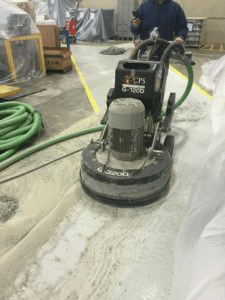
- Mechanically grind, densify, and refine the concrete through the selected sequence of polishing steps.
- Allow for final cleanup, then follow the recommended cleaning practices to preserve the appearance of the floor.
Property owners should also plan around the work area. Grinding equipment, access for crews, temporary relocation of furnishings or inventory, and the need to keep certain zones available can all shape project scheduling. Asking how the area will be staged and what condition the floor should be in before work begins helps prevent avoidable disruption.
Concrete Floor Options for Homes, Businesses, and Demanding Facilities
The best concrete finish is the one that matches the environment, not the one with the highest shine. A family garage has different priorities from a retail floor, and a warehouse faces different loading and traffic conditions than a finished basement. Diamond Coatings Epoxy and Concrete Coatings can help Madison Heights customers frame those decisions around use, appearance, and the concrete already in place.
Practical choices for residential spaces
Residential concrete flooring systems can make sense in garages, basements, workshops, and other areas where homeowners want a hard-wearing surface that is easier to keep clean. A polished or mechanically refined slab can reduce dusting and provide a finished appearance without covering the concrete’s natural character. Homeowners should consider whether they prefer exposed aggregate and variation or a more uniform decorative coating look before selecting a system.
For Michigan homes, it is especially useful to think about how the room is used through changing seasons. Entry points, garage bays, utility areas, and hobby spaces may encounter moisture, road residue, or frequent cleanup needs. The right preparation and finish should support those conditions while setting realistic expectations about traction, appearance variation, and care.
Flooring that supports customer-facing and work environments
Commercial concrete flooring systems are often considered for retail areas, automotive showrooms, offices, restaurants, and other spaces where appearance and daily maintenance both matter. A polished surface can provide a professional, light-reflective floor while standing up to regular pedestrian traffic and cleaning. The planned level of sheen, exposed aggregate, joint appearance, and work sequencing should fit the brand presentation and operating schedule of the business.
Commercial decision-makers should compare lifecycle needs rather than focusing only on the initial installation. Polished concrete can be attractive when a facility wants to avoid the recurring wax and strip cycles associated with some resilient flooring. Conversely, areas needing color coding, decorative graphics, or a surface that masks substantial slab variation may be better suited to a coating-based solution.
Performance considerations in industrial settings
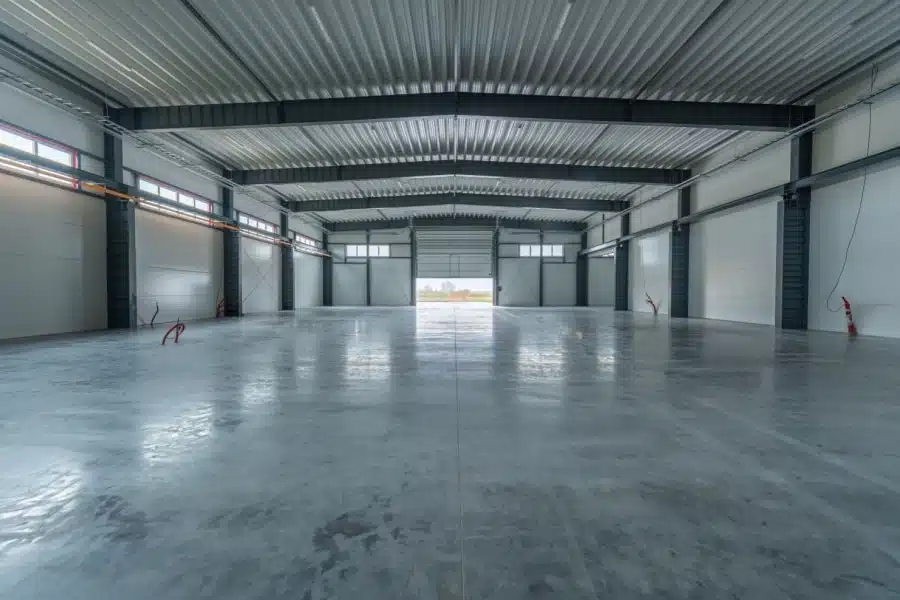
Industrial concrete flooring systems are designed around the realities of warehouses, manufacturing areas, storage facilities, and other high-use environments. Dense polished concrete can offer strong abrasion resistance, reduced dusting, and a surface that is easier to maintain under steady activity. Equipment type, wheel traffic, loading patterns, joint condition, contaminants, and cleaning procedures should be reviewed before deciding on a polishing specification.
A mechanically polished floor is not a universal answer for every industrial operation. Facilities exposed to specialized chemical hazards, extreme thermal conditions, or unusually aggressive impacts may need a different protective system or a more tailored approach. Clear discussions of the operating environment help align the selected floor with actual performance needs instead of relying on a one-size-fits-all recommendation.
Why Preparation and Provider Selection Matter
Choosing a concrete flooring contractor should involve more than selecting a color or sheen. Ask how the existing surface will be evaluated, how cracks and prior coatings will be handled, what appearance variation is normal, and how the space should be maintained after completion. Those practical conversations help a customer compare proposals on scope and suitability, not just price.
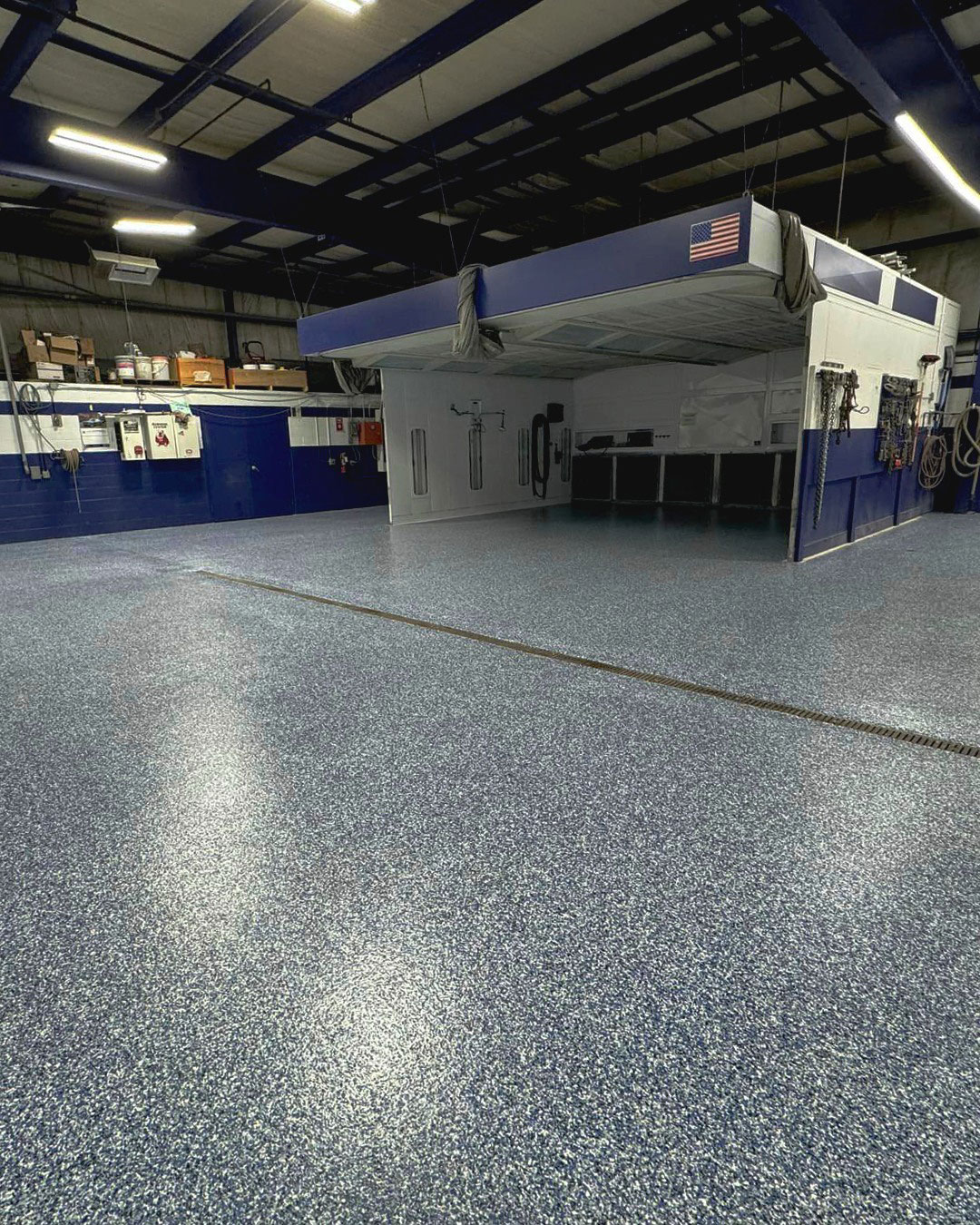
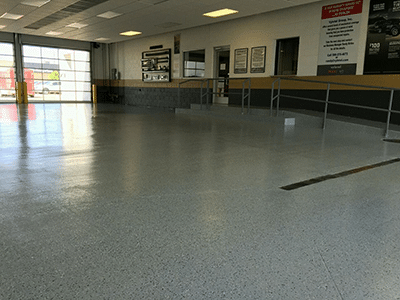
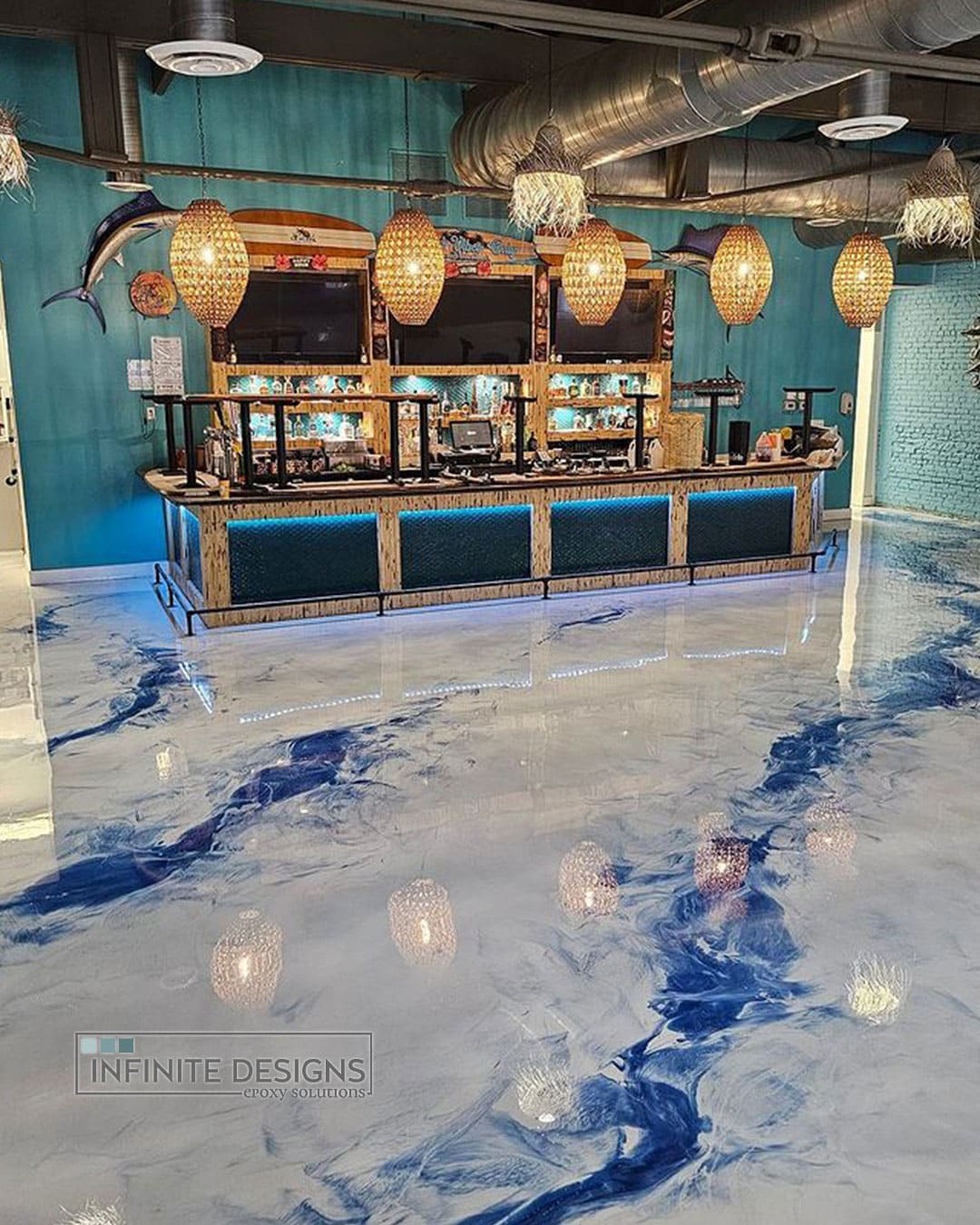
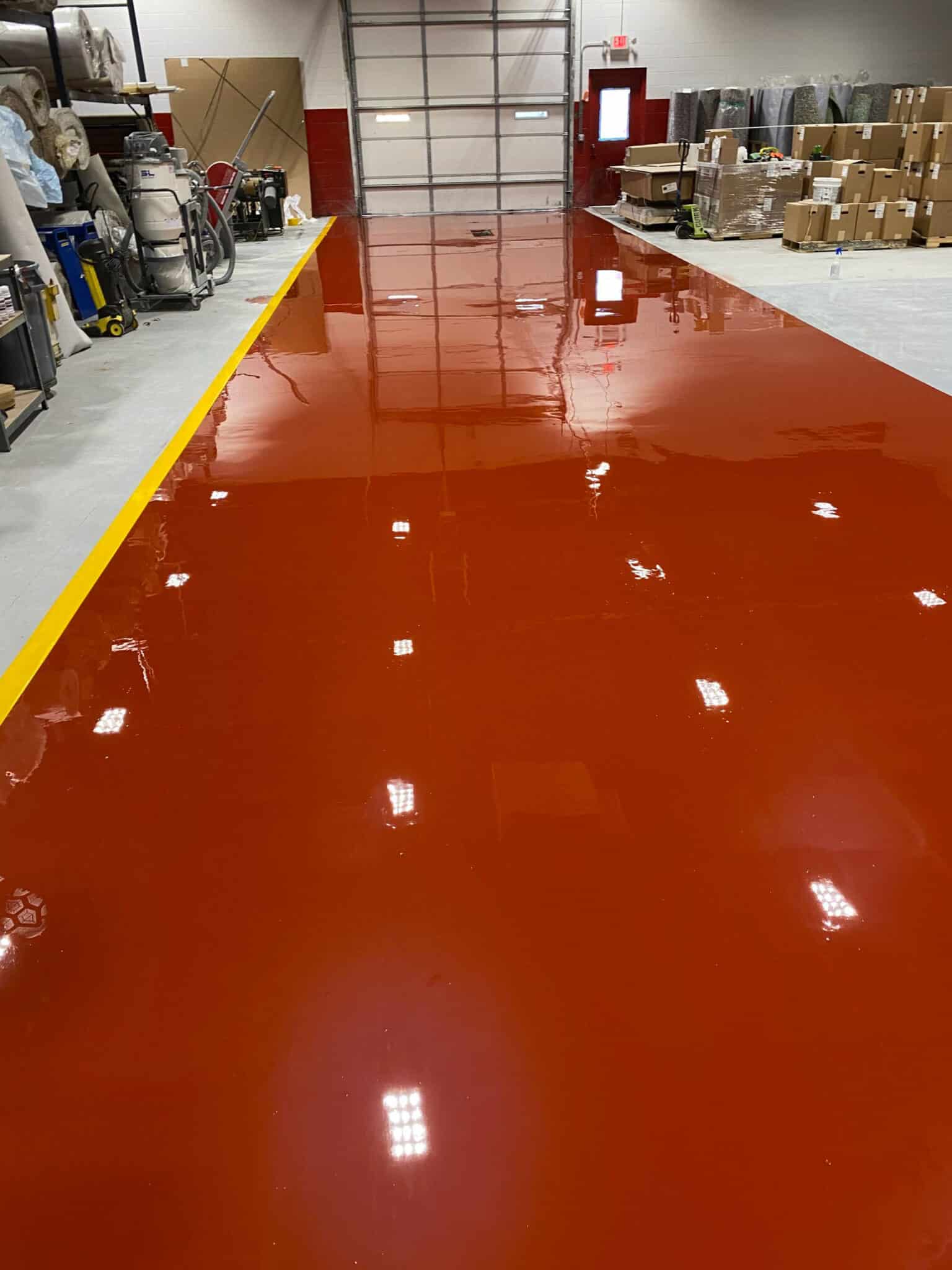
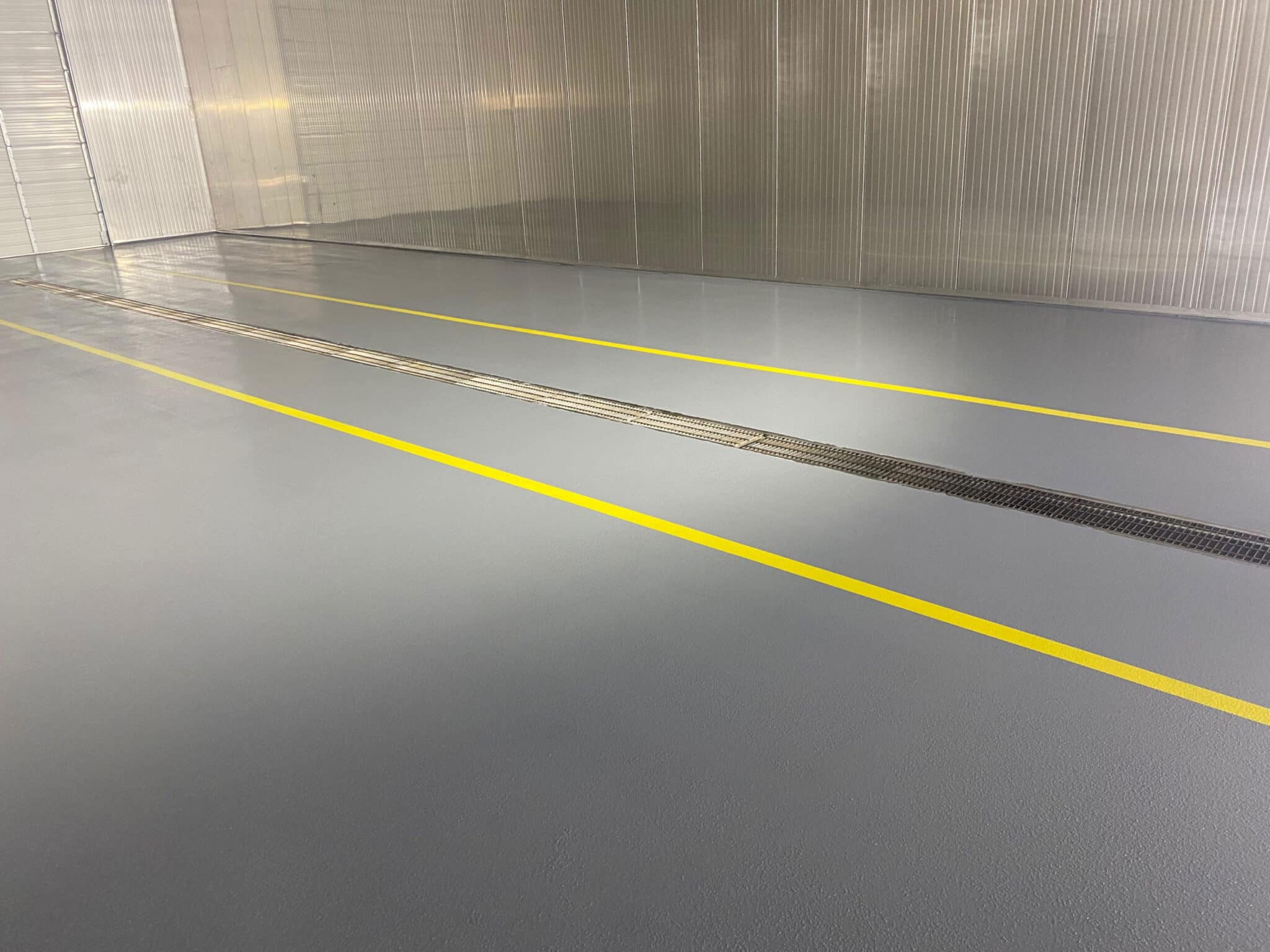
For a closer look at finished surfaces and possible visual directions, explore our work from Diamond Coatings Epoxy and Concrete Coatings. Project images can help customers discuss the kind of reflectivity, aggregate exposure, and overall character they prefer, while still recognizing that every slab has its own condition and history. A consultation remains important because a photo cannot determine what preparation a specific floor will require.
Feedback can also be useful when you are assessing communication and the customer experience. Reading client reviews gives prospective customers another source of context before requesting an appointment. Reviews should complement, rather than replace, a detailed conversation about the concrete floor, the proposed scope, and the project’s functional goals.
When discussing Concrete Flooring Systems, Diamond Coatings Epoxy and Concrete Coatings can help clarify whether polishing aligns with the slab and the way the space will be used. That consultation is valuable for Madison Heights customers who are deciding between a mechanically polished surface and a coating solution. The goal is a floor plan that accounts for the existing concrete, visual priorities, and realistic ongoing care.
Frequently Asked Questions
What are concrete flooring systems?
Concrete flooring systems are methods of preparing and finishing a concrete slab for long-term use. They can include mechanical grinding, polishing, densifying, repairs, and protective or decorative coatings. The suitable system depends on slab condition, expected traffic, appearance goals, maintenance preferences, and the environment where the floor will be used.
Is polished concrete slippery?
Polished concrete is not automatically slippery simply because it has sheen, but traction depends on the finish, contaminants, moisture, footwear, and how the space is used. Discuss wet-use conditions and cleaning practices during planning so the selected finish fits the area’s practical safety needs.
Can an older concrete slab be polished?
Many existing slabs can be evaluated for polishing, but age alone does not determine suitability. Old coatings, adhesive residue, repairs, cracks, surface hardness, and unevenness can affect both preparation and the final appearance. An on-site assessment is the reliable way to determine what work the floor may need.
Does Diamond Coatings Epoxy and Concrete Coatings have an office in Madison Heights?
Diamond Coatings Epoxy and Concrete Coatings is located in Shelby Township, MI and provides concrete flooring services in Madison Heights, MI. Contact the company to discuss your project, the floor condition, and appointment options for your Michigan property.
Arrange a Concrete Floor Consultation
If your Madison Heights space needs a cleaner, more durable finished slab, begin with a conversation about how the floor is used and what the concrete can support. Diamond Coatings Epoxy and Concrete Coatings is located in Shelby Township, Michigan, and can help you explore polished concrete and related options without assuming every slab needs the same solution. Bring your questions about appearance, maintenance, prior coatings, repairs, and scheduling to the appointment.
Request an estimate appointment with Diamond Coatings Epoxy and Concrete Coatings to discuss concrete flooring systems for your Madison Heights, MI property.