Polished Concrete Flooring Near Macomb, MI
For property owners seeking a durable, low-maintenance floor near Macomb, MI, polished concrete turns an existing concrete slab into a dense, refined surface designed for daily use. Diamond Coatings Epoxy and Concrete Coatings is based in Shelby Township, MI, and provides a practical starting point for homeowners and facility decision-makers considering concrete polishing in the surrounding Michigan region.
Unlike a surface coating that sits on top of concrete, a polished finish is created through mechanical refinement of the slab itself. The result can offer a clean, contemporary appearance, improved light reflectivity, and a floor that does not depend on routine wax applications to maintain its basic performance. The condition of the existing concrete, the intended use of the space, and the desired sheen all shape whether this solution is the right fit.
What a polished concrete floor adds to a working or living space
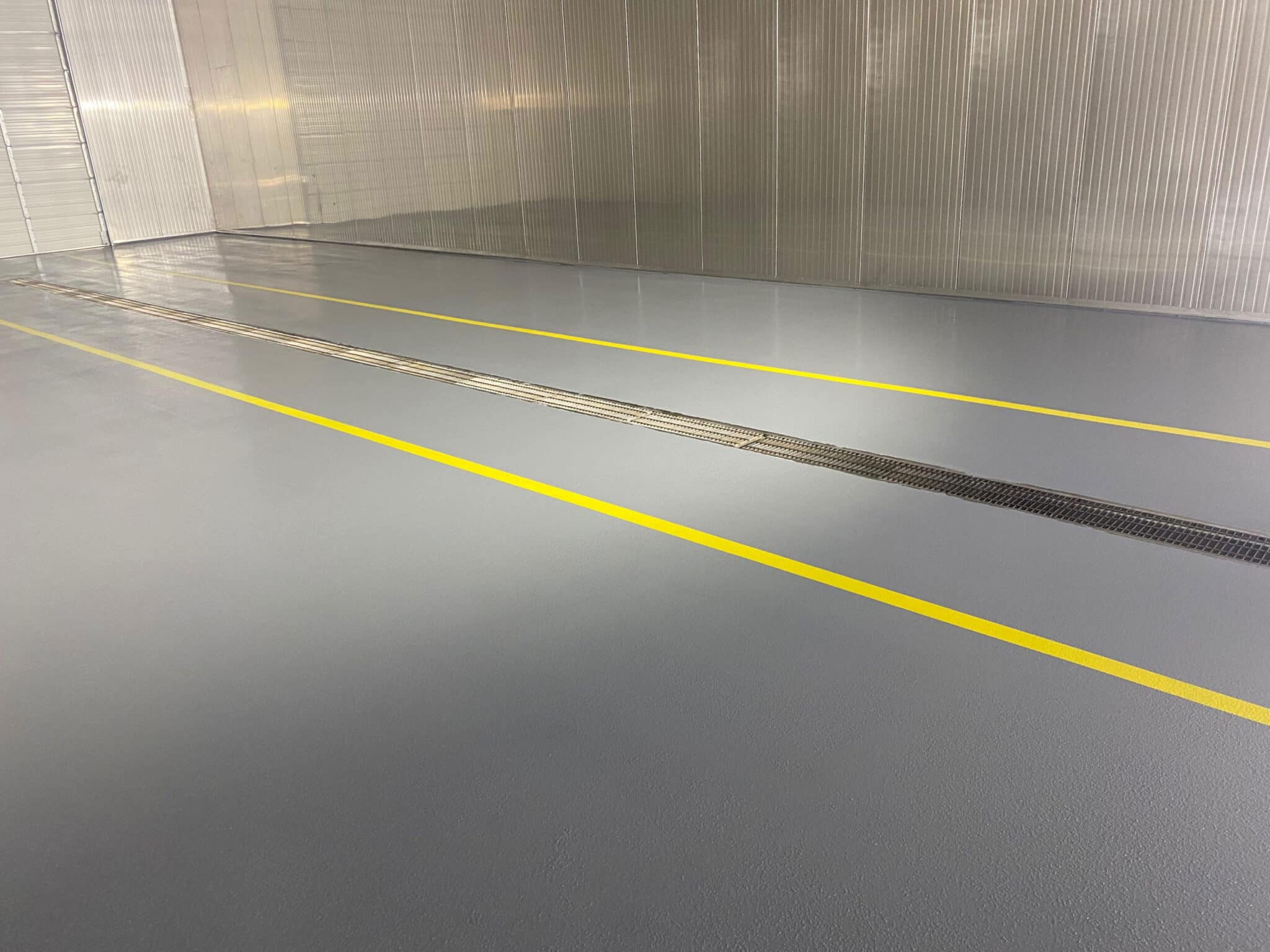
Polished Concrete Flooring is a mechanical grinding, densifying, and polishing system that improves the usable surface of a concrete slab. It is often selected when a customer wants a long-lasting floor with less visual clutter, easier day-to-day cleaning, and a finish that can handle substantial foot traffic or equipment activity.
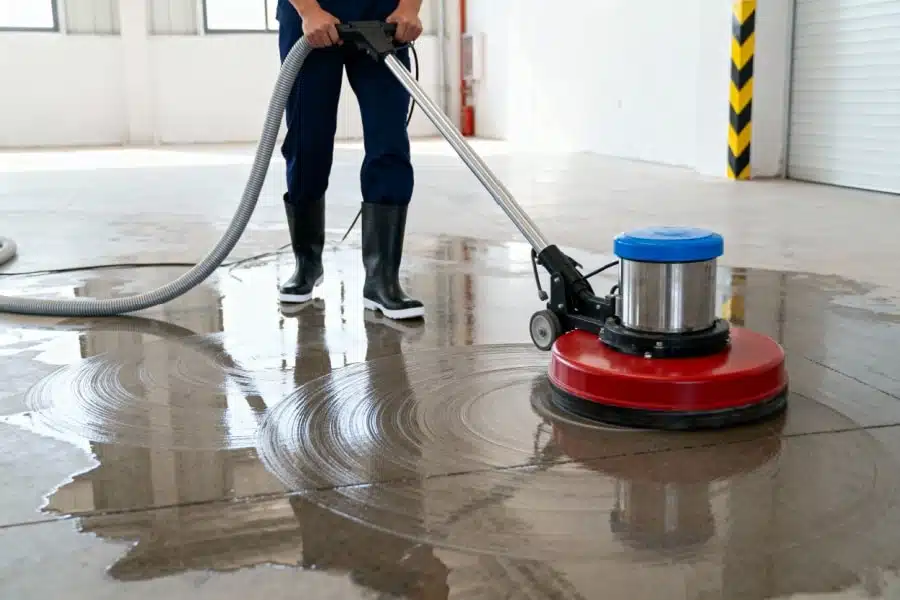
The process uses progressively finer diamond abrasives to remove irregularities and refine the surface. A chemical densifier is generally applied as part of polishing to react with the concrete, harden the surface, reduce dusting, and improve abrasion resistance. The final appearance can range from a softer matte or satin look to a more reflective gloss, depending on the floor’s condition and the selected level of refinement.
- Dense, durable surface: A polished slab is well suited to environments where rolling loads, foot traffic, or frequent activity are part of normal operations.
- Reduced dusting: Densification helps stabilize the concrete surface, an important consideration in garages, warehouses, and active work areas.
- Simpler upkeep: A smooth, non-coated surface is generally easier to sweep and damp mop than rough, untreated concrete.
- More available light: Higher polish levels can reflect available light, which may make large interiors feel brighter.
- Long-term material value: The finished floor is part of the concrete rather than a separate film that can peel away.
Start with the slab, not just the desired shine
A successful concrete polishing project begins with an honest assessment of the slab. Existing coatings, adhesives, uneven areas, cracks, stains, exposed aggregate, and prior repairs can affect both preparation needs and the finished look. Some visual variation is inherent to concrete, so polished floors are a good match for customers who appreciate a material-forward finish rather than a perfectly uniform manufactured pattern.
Moisture conditions and the use of the space also deserve attention before work begins. A busy storage area, retail floor, showroom, basement, garage, or production setting may have different traction, sheen, scheduling, and protection requirements. Discussing expected traffic, cleaning practices, equipment, and appearance goals early helps define a finish that makes sense for the property.
A clear path from existing concrete to a refined floor
Concrete polishing is a multi-stage construction process, not a quick topical treatment. Diamond Coatings Epoxy and Concrete Coatings can help customers near Macomb evaluate the existing floor and discuss the project scope before an appointment is scheduled. The work sequence varies by slab, but the core stages are straightforward.
- Review the floor and project goals. The slab is considered alongside its current condition, the room’s use, the desired gloss level, and practical access needs.
- Prepare and repair as appropriate. Surface contaminants, old materials, and imperfections may need attention before the floor can be refined consistently.
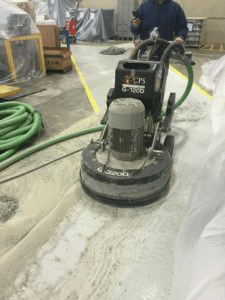
- Grind with diamond tooling. Initial passes level and open the concrete surface, revealing the character of the slab.
- Apply densifier and continue refining. The densifier supports a harder, less dusty surface while subsequent abrasive steps increase smoothness and clarity.
- Polish, clean, and plan ongoing care. Final passes establish the selected finish, followed by practical guidance for keeping the floor presentable.
During active grinding and polishing, the work area needs to be managed around equipment, access, and normal building operations. Customers should plan for the room to be unavailable during the project and discuss timing concerns in advance, especially when the space supports inventory, vehicles, household routines, or ongoing business activity. After completion, regular dry dust mopping and appropriate damp cleaning help preserve the floor’s appearance.
Polished concrete compared with coatings and other floor choices
Polishing is an excellent option when the existing slab is a valuable part of the design and a customer prefers a finish integrated with the concrete. Epoxy and other resinous systems create a distinct protective layer and can provide more decorative color choices or visual coverage over imperfect concrete. Tile, vinyl, and carpet introduce separate materials, seams, or softer underfoot characteristics, while polished concrete prioritizes the durability and visual character of the slab already in place.
The best choice depends on the problem being solved. A floor with extensive damage or a need for bold color, decorative flake, or a seamless coating appearance may point toward a coating system instead. A sound slab in a high-traffic setting, however, can make polished concrete an especially compelling way to achieve a clean, hard-wearing finish without adding a conventional floor covering.
Solutions for homes, customer-facing spaces, and demanding facilities
Residential spaces where easy care matters
residential polished concrete flooring can suit homeowners who want to elevate a concrete basement, garage, living area, or other slab-on-grade space without covering up the material entirely. Its smooth, dense surface supports straightforward cleaning and can complement modern, industrial, or minimalist interiors. Because every slab has its own color variation, aggregate exposure, and prior history, homeowners should view samples and discuss realistic appearance expectations before choosing a sheen level.
For a home project, lifestyle matters as much as appearance. A more reflective finish can create a bright, open feeling, while a lower sheen may better align with a relaxed or more subtle design. Entry points, furniture movement, pet activity, and the need for grip in areas that may get wet should all be part of the planning conversation.
Retail, offices, and public-facing environments
commercial polished concrete flooring is a practical consideration for retail stores, showrooms, offices, and other spaces where presentation and routine maintenance both matter. The reflective surface can support a brighter interior, while the hard, continuous floor avoids grout lines and many seams that collect debris. Project planning should account for customer access, furnishings, equipment, and the desired balance between visual polish and traction.
For commercial decision-makers, the finish level should be tied to real operating conditions rather than appearance alone. A high-gloss showroom floor has different needs from a busy back-of-house area. A provider should be prepared to discuss surface preparation, repair visibility, sequencing, and how the floor will be cleaned after the project is complete.
Warehouse and production-floor considerations
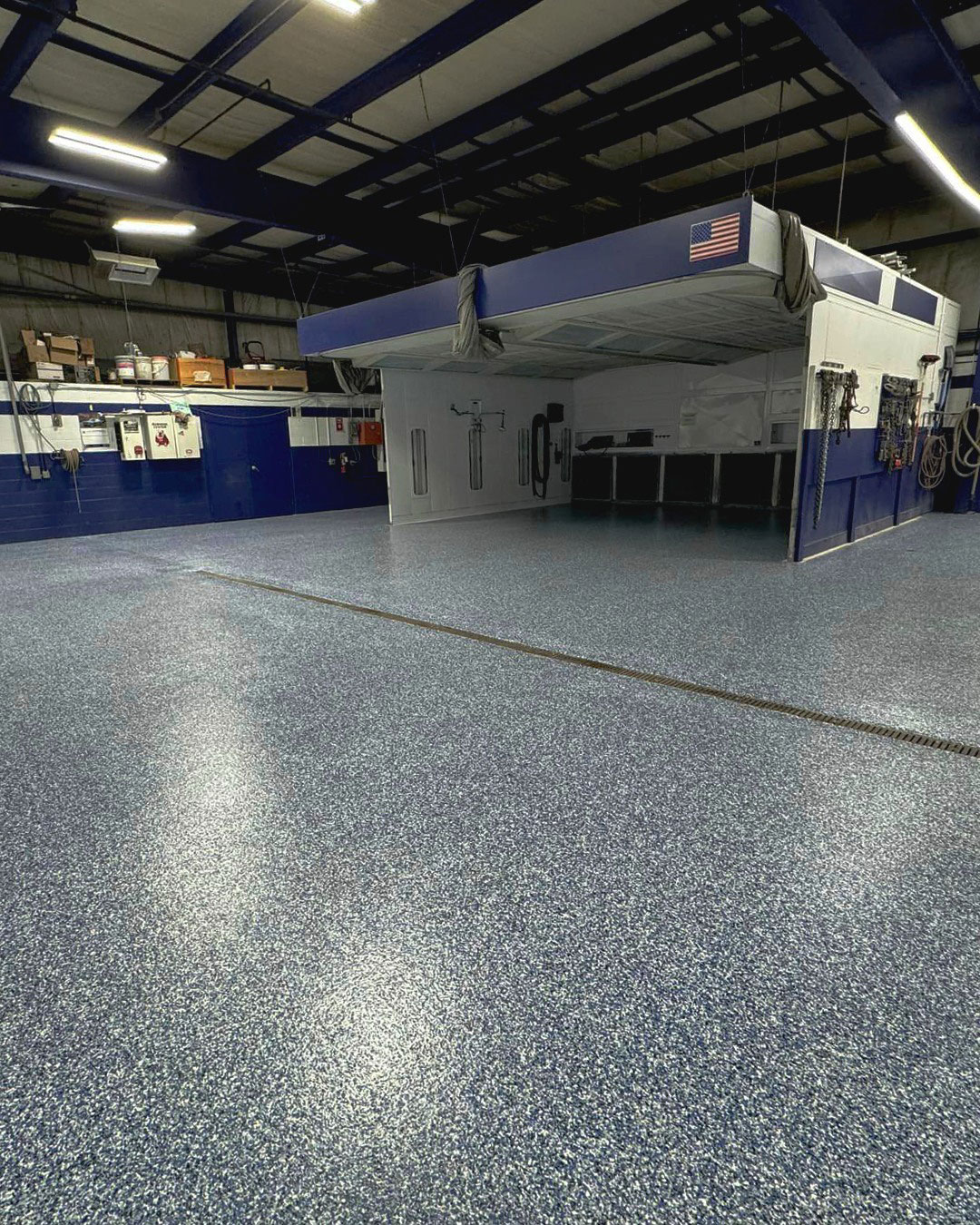
industrial polished concrete flooring is often considered for warehouses, manufacturing spaces, automotive environments, and facilities with heavy daily movement. Densified and polished concrete can help create a hard, dust-resistant surface that is easier to maintain than unfinished concrete. Forklift traffic, pallet movement, point loads, joints, and the condition of the underlying slab should be reviewed carefully because industrial performance starts with appropriate preparation and a realistic scope.
In these demanding settings, polishing is not a substitute for correcting every structural or slab-related issue. Cracks, joints, and repaired sections can remain visible, even when they are treated as part of the preparation plan. Clear expectations about functional needs, downtime, safety practices, and the acceptable finished appearance make the project easier to evaluate.
Choose a contractor with a practical, transparent approach
Diamond Coatings Epoxy and Concrete Coatings serves customers from its Shelby Township, Michigan location, including people looking for polished concrete options near Macomb. The useful first step is a focused conversation about the slab, the room’s purpose, and the outcome that matters most, whether that is reduced dust, easier cleaning, a brighter environment, or a refined concrete aesthetic. A tailored review is more useful than assuming every concrete floor should receive the same finish.
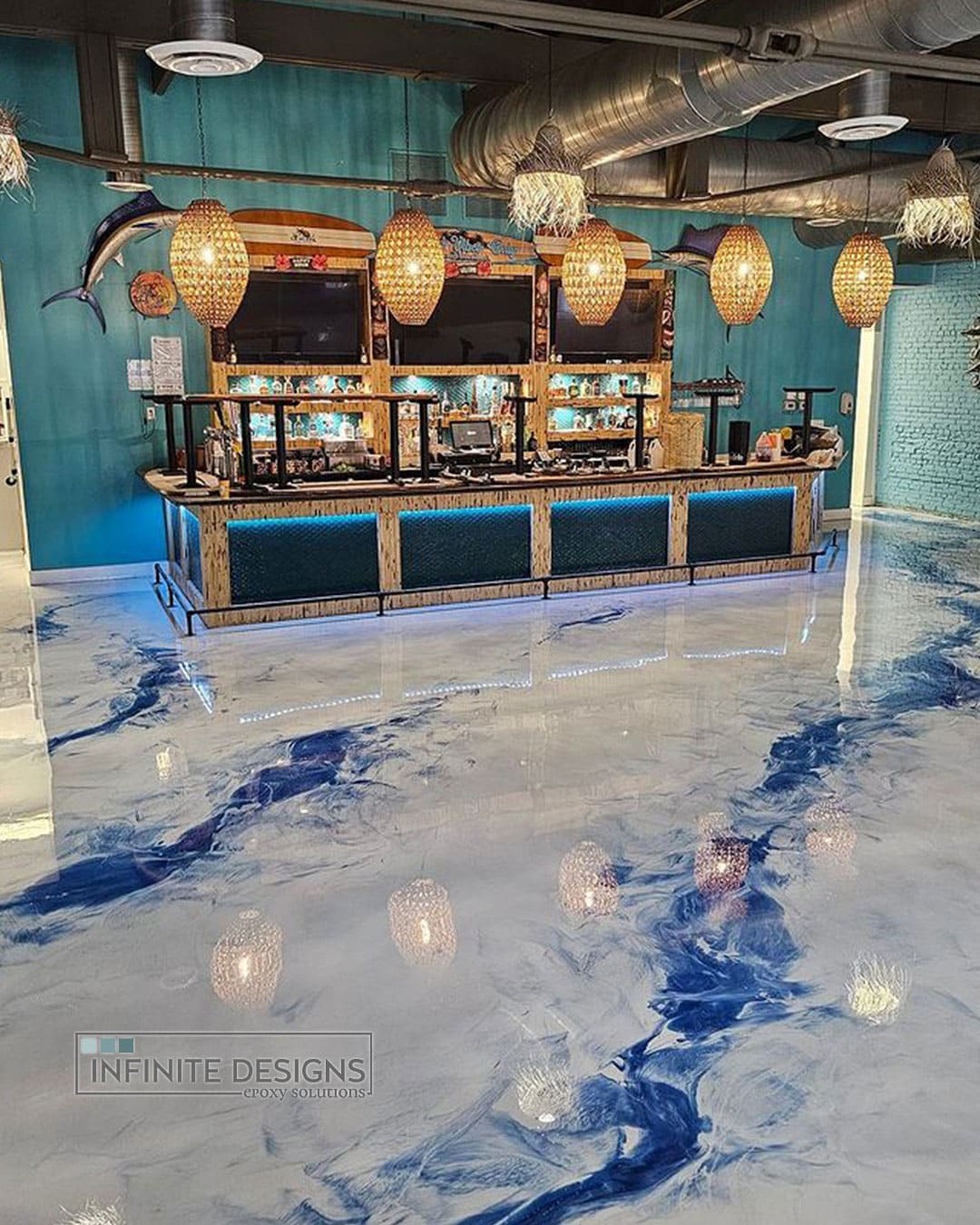
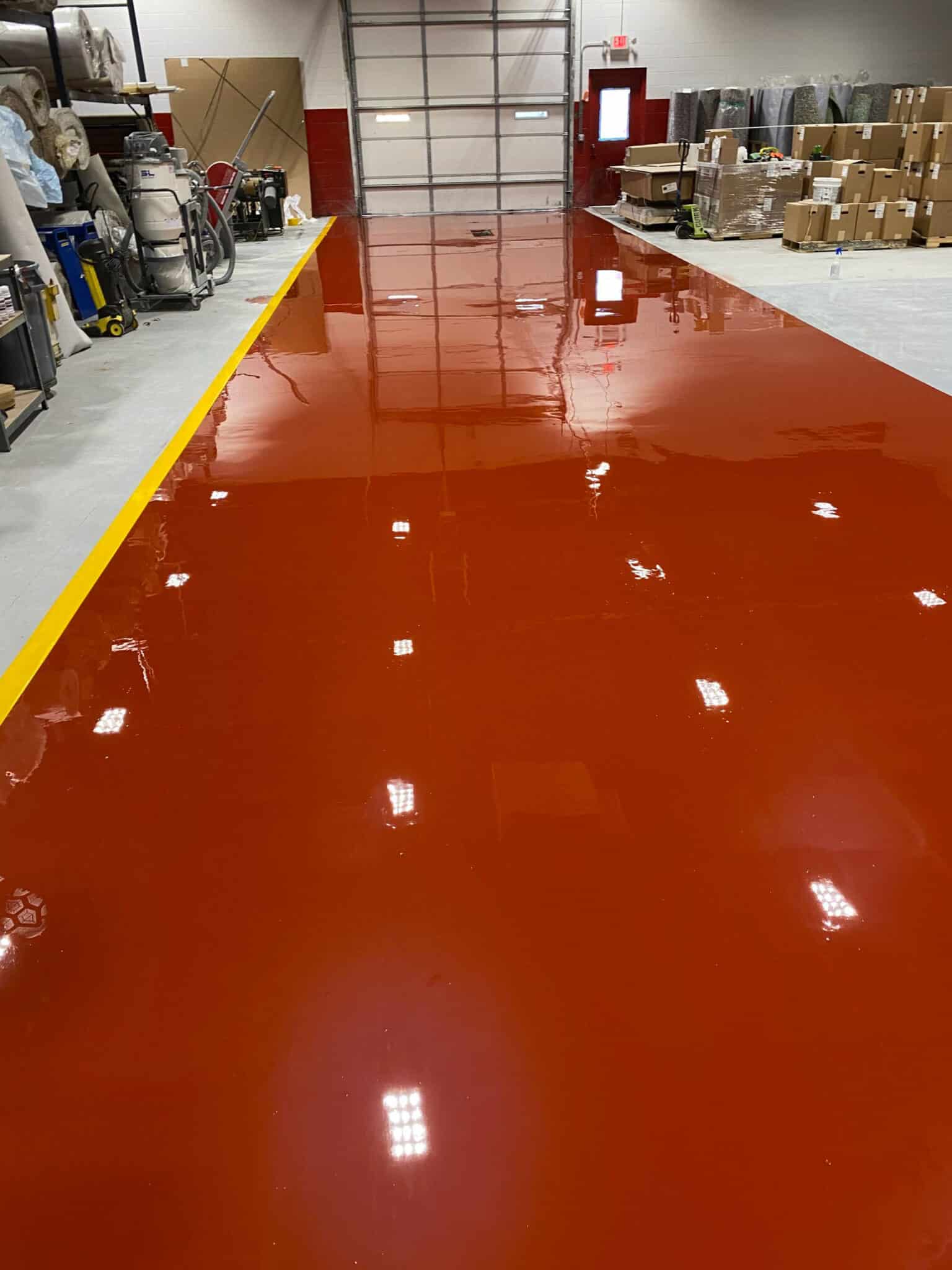
Seeing completed floor types can help translate broad ideas such as “glossy” or “industrial” into more realistic expectations. Browse our work to consider how concrete surfaces can be transformed across different project settings. Portfolio examples are most valuable when used to discuss the level of variation, aggregate exposure, and finish character that may be possible for a particular slab.
Customer feedback is another useful part of selecting a flooring provider, particularly when it helps clarify communication and the overall service experience. Reading client reviews can add perspective as you compare options for a Michigan concrete-floor project. Reviews should complement, rather than replace, a direct discussion of your own floor condition, schedule, and functional requirements.
Frequently asked questions
Is polished concrete slippery?
Polished concrete is not automatically slippery, but traction depends on factors such as the selected gloss, surface condition, contaminants, footwear, and whether the area becomes wet. Discuss the intended use of the space before choosing a finish. Areas exposed to water, oils, or specific safety requirements may need additional planning.
Can an older concrete slab be polished?
Many older slabs can be evaluated for polishing, but suitability depends on their condition. Existing coatings, adhesive residue, cracks, patches, stains, and unevenness can affect preparation, cost, and final appearance. An assessment helps determine whether polishing, a coating system, or another floor solution is more appropriate.
How is a polished concrete floor maintained?
A polished concrete floor is typically maintained with routine dry dust mopping and damp mopping using products appropriate for the surface. Promptly clean spills, avoid harsh cleaners that leave residue, and use entry mats where practical. Consistent cleaning protects appearance and helps prevent abrasive dirt from dulling the finish over time.
Is Diamond Coatings Epoxy and Concrete Coatings located in Macomb, MI?
No. Diamond Coatings Epoxy and Concrete Coatings is located in Shelby Township, MI, and is positioned to assist customers seeking polished concrete flooring near Macomb and elsewhere in the surrounding Michigan area. Contact the company to discuss your project location and appointment needs.
Schedule a polished concrete flooring appointment
If your concrete slab could become a cleaner, denser, more durable finished floor, bring the project details to Diamond Coatings Epoxy and Concrete Coatings in Shelby Township, MI. An appointment is the right opportunity to discuss the existing surface, expected use, finish preferences, and whether concrete polishing fits your plans near Macomb, Michigan.
Ready to evaluate your floor? Request an estimate appointment with Diamond Coatings Epoxy and Concrete Coatings and take the next informed step toward a polished concrete surface.