Industrial Floor Coatings In Macomb, MI
Industrial facilities need floors that do more than cover concrete. They need a surface that supports daily traffic, helps simplify cleanup, and holds up better against the wear associated with forklifts, carts, equipment, stored materials, and busy work areas. Diamond Coatings Epoxy and Concrete Coatings provides Industrial Floor Coatings in Macomb, MI, for property owners and facility decision-makers who want a practical plan for improving a concrete floor.
Based in Shelby Township, MI, Diamond Coatings Epoxy and Concrete Coatings serves commercial, industrial, and residential clients in the surrounding Michigan region. For a warehouse, automotive workspace, production area, school, office, or other working environment, the right coating system begins with the condition of the concrete and the demands the finished floor will face. A useful recommendation considers both, rather than treating every slab and every operation alike.
What an industrial coating system can solve
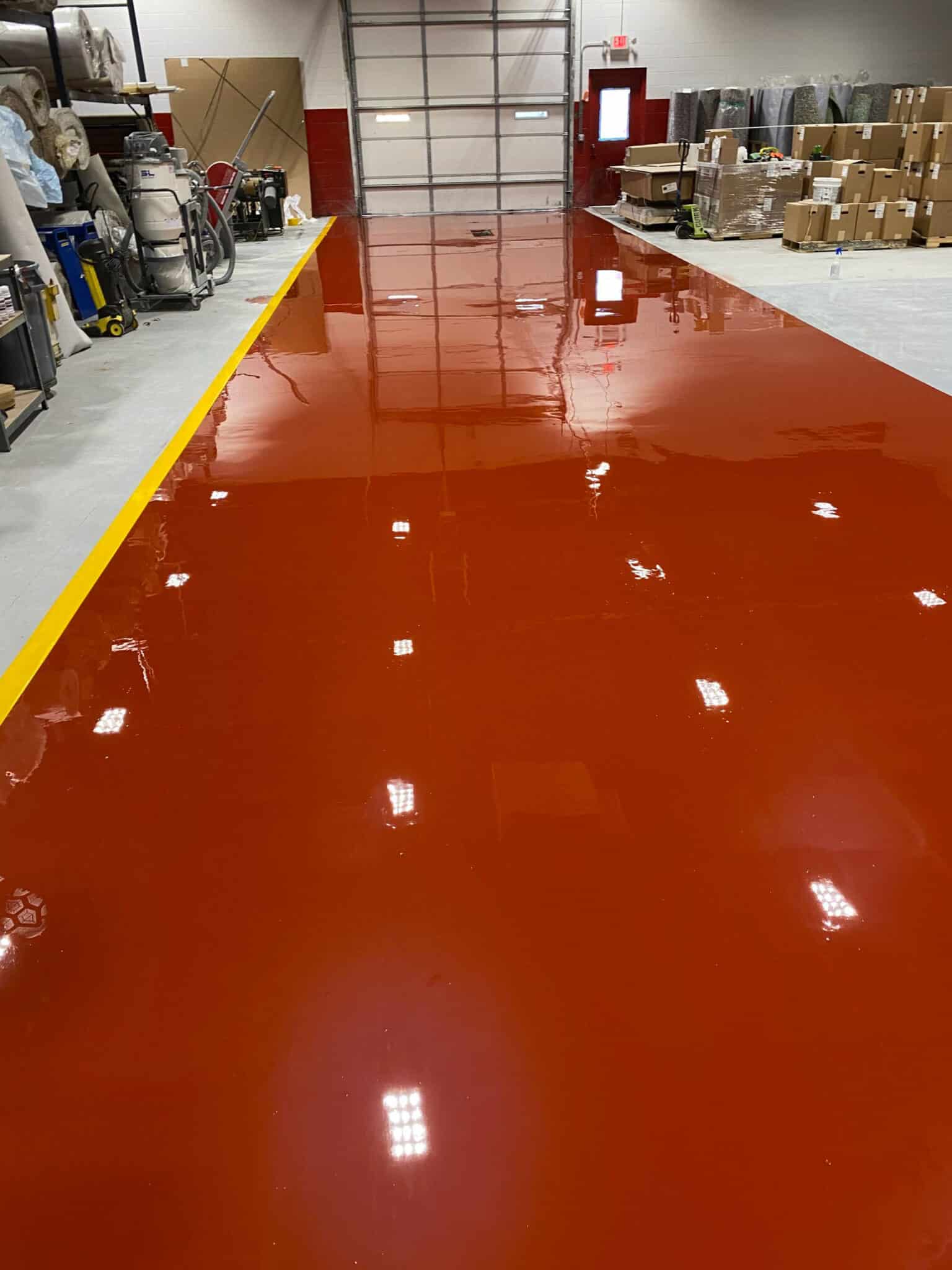
Industrial floor coatings are protective systems installed over prepared concrete to create a more durable, continuous working surface. They can help address concrete dusting, staining, surface wear, difficult-to-clean areas, minor surface defects, and the visual disorder caused by aging or patched flooring. The goal is not simply a glossier floor. It is a surface selected for how the space is actually used.
For businesses evaluating Industrial Floor Coatings and industrial epoxy flooring, the important question is which performance needs matter most. A coating may be chosen for heavy-load durability, cleanability, chemical resistance, a defined traffic pattern, or a more professional appearance. Epoxy systems are commonly applied over concrete to create a high-performance surface, while urethane coatings and other systems may be considered when the project conditions call for different characteristics.
Facilities that may benefit from coated concrete
A coating project may be appropriate when bare concrete is difficult to maintain or no longer presents the right surface for the work being done. Warehouses, industrial facilities, automotive operations, schools, offices, and commercial buildings can all have different flooring priorities. A floor used for vehicle service has different exposure concerns than a warehouse aisle or a space where appearance is central to the customer experience.
- Warehouse floors with forklift paths, pallet movement, and storage activity
- Automotive work areas exposed to fluids, tires, tools, and frequent cleaning
- Manufacturing or industrial spaces where durable concrete protection is needed
- Commercial areas that need a cleaner-looking, easier-to-maintain finish
- Facilities seeking traffic striping, defined walkways, or branded floor elements
Coating is not a substitute for correcting every concrete problem. Significant movement, moisture-related concerns, extensive damage, or ongoing substrate issues should be assessed before a finish is selected. Addressing preparation and repair needs up front helps the coating system have a more suitable foundation.
Start with the concrete, then match the finish to the operation
The quality of an industrial flooring project depends heavily on substrate preparation. Concrete must be evaluated for its existing condition, including cracks, previous coatings, glue or tile residue, contamination, and areas of deterioration. Surface preparation creates the profile and cleanliness needed for a coating to bond as intended.
A practical project sequence
While the details vary by facility and coating system, an organized process gives owners a clearer way to plan around operations. Diamond Coatings Epoxy and Concrete Coatings offers commercial and industrial services that include epoxy flooring, urethane coatings, crack repair, tile and glue removal, aisle traffic striping, decorative concrete stain, polished concrete, and general floor maintenance. Discussing the intended use of the space helps identify which of these services may be relevant.
- Review the space and its demands. Consider traffic, loads, equipment, cleaning routines, exposure to spills, and any visual or safety-marking needs.
- Inspect the existing concrete. Identify cracks, worn areas, residual adhesives, old finishes, and other conditions that may affect preparation.
- Prepare and repair the substrate. Remove unsuitable materials, complete applicable repairs, and prepare the surface for the selected finish.
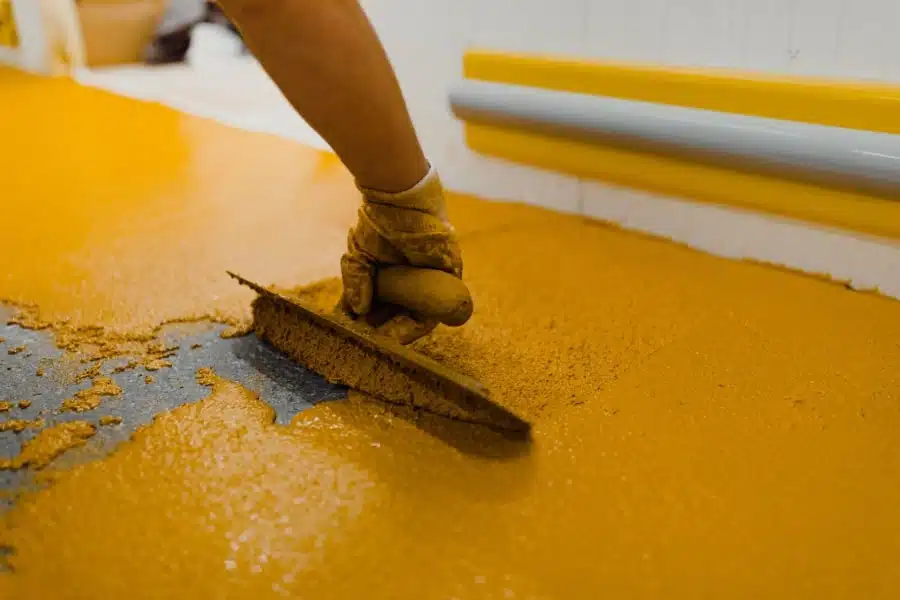
- Install the chosen system. Apply the appropriate coating, stain, polished finish, striping, or related floor treatment for the project scope.
- Plan return to service and upkeep. Confirm when the area can be used and establish cleaning practices suited to the finished floor.
Operational planning matters as much as material selection. Before requesting an estimate, it is helpful to identify whether the work must be phased, whether equipment needs to be moved, and which areas cannot be unavailable at the same time. Clear access and scheduling conversations allow a facility to make better decisions before the project begins.
Epoxy, urethane, polished concrete, and other options
There is no single “industrial floor” solution that fits every setting. Epoxy is often considered when a seamless, durable coating is desired over concrete. Urethane coatings may be part of the conversation when the intended environment calls for their particular performance characteristics, while polished concrete can be a sensible alternative for owners who prefer an exposed, mechanically refined concrete finish rather than a film-forming coating.
Acid stain and decorative concrete stain can change the appearance of concrete, but they do not answer every protection or traffic-management need. Quartz flooring can offer a textured, durable finish for certain applications. The best choice depends on what the floor encounters every day, how it will be cleaned, the appearance expected, and the condition of the slab beneath it.
Design choices can support operations, not just appearance
Industrial spaces can still benefit from intentional color and layout decisions. Color can help make a large floor feel more orderly, distinguish zones, complement an existing facility palette, or make routine debris easier to spot during cleaning. A coating consultation is a good time to discuss practical visual priorities alongside durability requirements.
The available base colors provide a starting point for selecting the overall appearance of a coated floor. A lighter neutral may support visibility in some spaces, while a darker selection may better suit other maintenance preferences. The finish should be chosen with lighting, surrounding walls and equipment, expected dirt, and the facility’s use in mind.
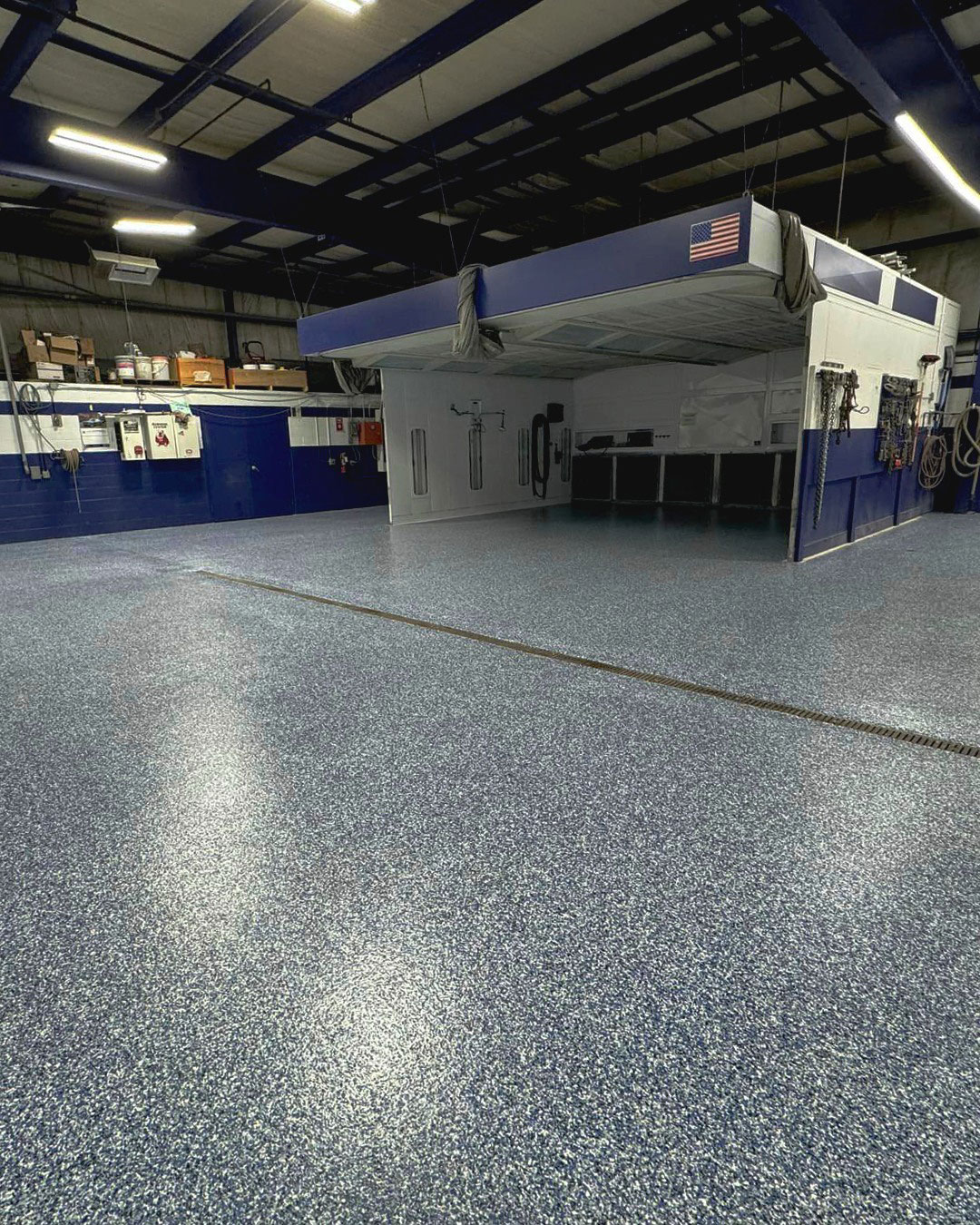
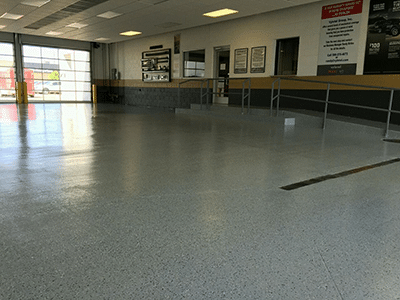
In areas where a more dimensional appearance is appropriate, decorative chips can be incorporated into a floor finish. Chip systems are frequently associated with garages and customer-facing spaces, but their value is not limited to looks because the pattern can help visually break up the surface. Whether chips suit an industrial environment depends on the desired finish, cleaning needs, and the role the floor plays in the operation.
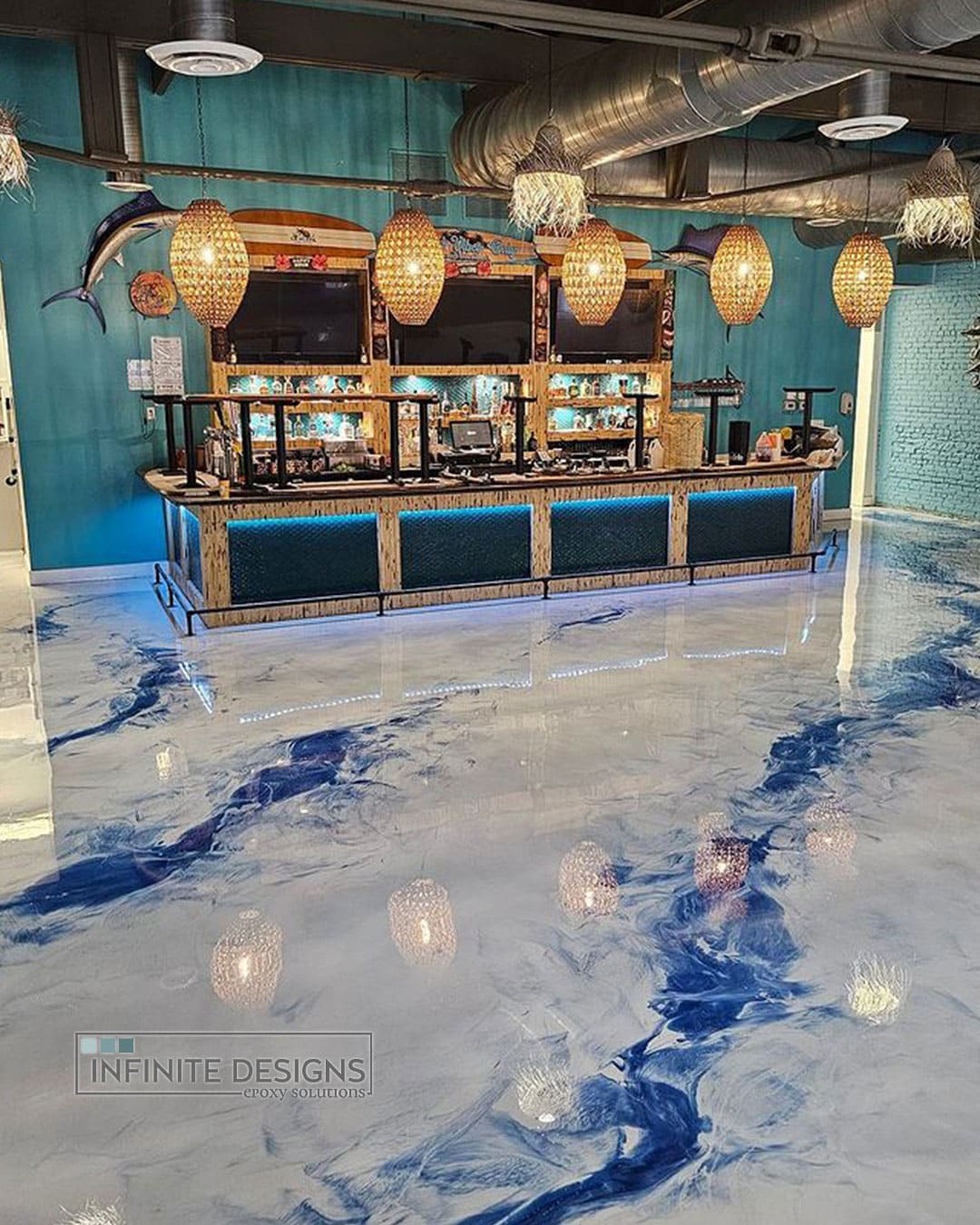
For a more distinctive visual effect, metallic additives can create movement and variation within a decorative resin floor. This option is generally more relevant when presentation is a major consideration, such as selected commercial interiors or display-oriented spaces. It should be evaluated as a design choice within the broader requirements for durability, maintenance, and the intended use of the room.
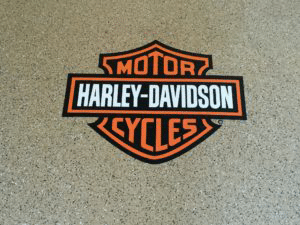
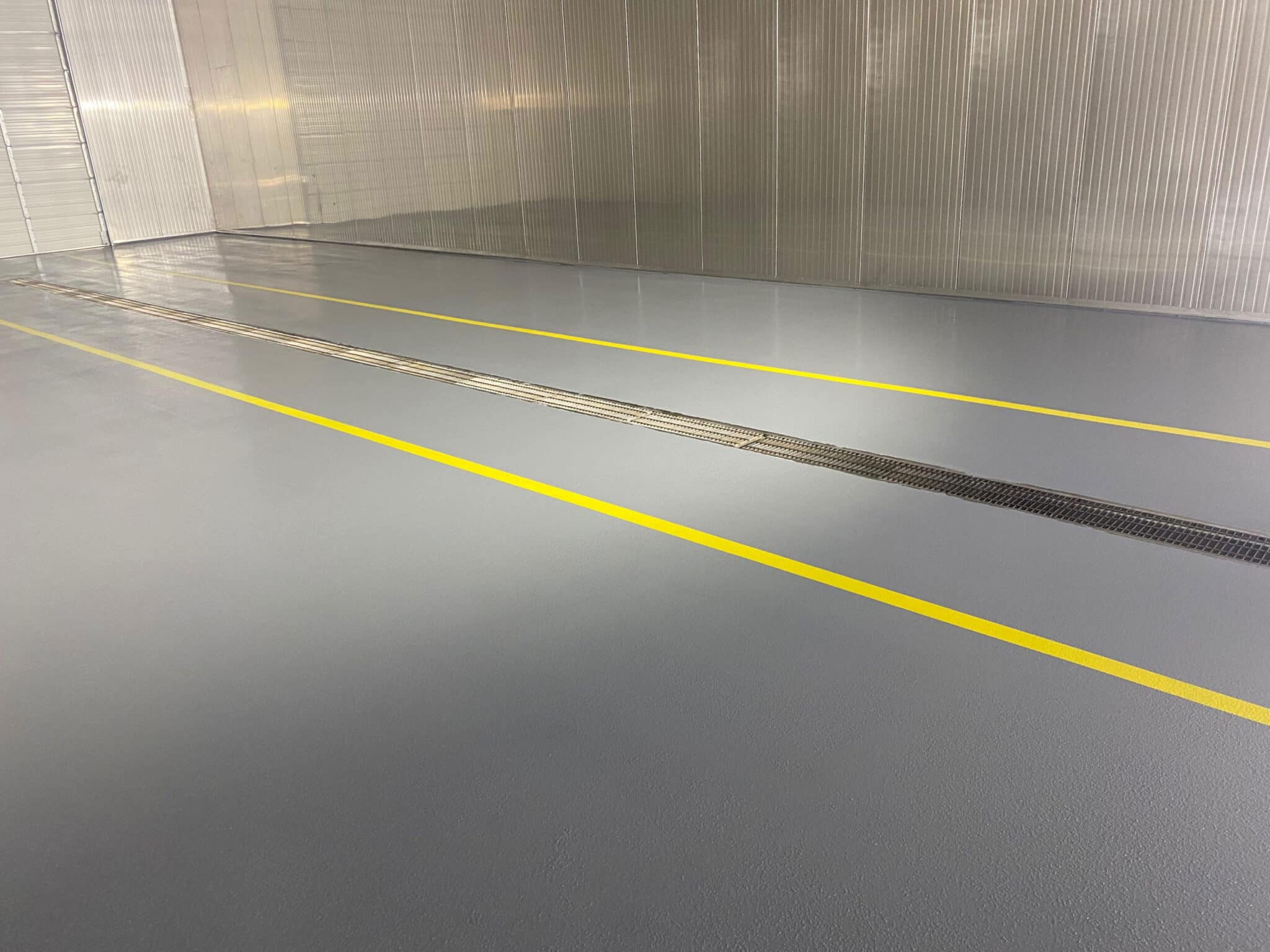
Function-focused enhancements are also available for qualifying projects. Aisle traffic striping can help visually organize travel routes and work zones, and logos can be incorporated into flooring for facilities that want a branded element. These features work best when they are planned early, so the layout supports the actual equipment paths and daily workflow.
How to evaluate an industrial floor coating provider
A productive estimate conversation should be specific. Rather than asking only for a price per square foot, explain how the floor is used, what has failed or become difficult to maintain, and what success would look like after the project. Those details help distinguish a cosmetic refresh from a flooring improvement designed around the facility’s real demands.
- What condition is the concrete in, and what preparation or repair may be needed?
- What loads, traffic patterns, spills, cleaning products, and temperatures affect the floor?
- Is the priority protection, appearance, maintenance, striping, or a combination of needs?
- Will the work need to be coordinated around active operations or access restrictions?
- What finished texture, color, and maintenance approach make sense for the space?
It is also worth reviewing examples that resemble the scope you have in mind. Diamond Coatings Epoxy and Concrete Coatings shares our work so prospective customers can see examples of completed flooring and concrete coating projects. Looking at project imagery can help a decision-maker communicate preferred finishes, color direction, striping ideas, and the level of visual refinement expected.
Feedback from prior customers can add another perspective during the selection process. The company’s client reviews are a useful resource for people researching Diamond Coatings Epoxy and Concrete Coatings before scheduling a discussion. Reviews should be considered alongside a direct conversation about the specific concrete condition, service scope, and operational needs of your own property.
Maintenance expectations after installation
A coated floor still needs routine care, but a suitable system can make regular maintenance more manageable than worn, porous concrete. Promptly address spills according to the materials involved, use cleaning methods appropriate for the selected finish, and avoid treating the floor as indestructible. Heavy impacts, abrasive practices, and unaddressed substrate movement can affect any flooring surface over time.
General floor maintenance is not an afterthought. A practical maintenance plan considers how often the floor is cleaned, the equipment used to clean it, where grime enters the building, and whether traffic lanes need periodic attention. Matching maintenance habits to the installed system helps preserve both performance and appearance.
Industrial flooring questions from Macomb property owners
What are industrial floor coatings used for?
Industrial floor coatings are applied over prepared concrete to create a more durable, easier-to-maintain surface for working environments. They are commonly considered for warehouses, automotive spaces, industrial facilities, and commercial buildings where bare concrete is worn, dusty, stained, or difficult to clean.
Can a coating be installed over cracked or previously covered concrete?
It depends on the condition of the slab and the materials already on it. Cracks, old coatings, tile, glue residue, and damaged areas may require removal, repair, or other preparation before a new system is installed. A project assessment should determine what work is appropriate before choosing the finish.
Is epoxy always the right choice for an industrial floor?
No. Epoxy is a common choice for durable, high-performance concrete flooring, but urethane coatings, quartz systems, polished concrete, stains, or other approaches may better suit particular conditions. Traffic, exposure, cleaning needs, visual goals, and concrete condition should guide the decision.
Does Diamond Coatings Epoxy and Concrete Coatings have an office in Macomb, MI?
Diamond Coatings Epoxy and Concrete Coatings is located in Shelby Township, MI, and provides industrial floor coating services in Macomb, MI. Contacting the company for an estimate is the clearest way to discuss the project location, floor condition, scope, and scheduling considerations.
Request an appointment for your floor assessment
If your facility floor is showing wear, creating cleanup problems, or no longer supporting the way your team works, a detailed project discussion is a useful next step. Diamond Coatings Epoxy and Concrete Coatings can help you consider coating, repair, polishing, striping, and finish options for an industrial or commercial concrete floor in Macomb and nearby Michigan communities.
Request an appointment and estimate with Diamond Coatings Epoxy and Concrete Coatings, located in Shelby Township, MI. Share how the space is used, the current condition of the concrete, and the results you need from the finished floor so the conversation can begin with the details that matter.