Commercial Epoxy Flooring In Madison Heights, MI
Commercial Epoxy Flooring gives Madison Heights, MI businesses a more durable, easier-to-maintain surface over concrete that must handle daily traffic, cleaning, and operational wear. Diamond Coatings Epoxy and Concrete Coatings is based in Shelby Township, MI and provides commercial and industrial coating solutions for facilities that need a practical floor plan, not a cosmetic quick fix. Whether concrete is stained, cracked, difficult to clean, or simply no longer appropriate for the work happening on it, the right coating system can help make the space more functional.
A commercial floor affects safety, workflow, sanitation, and the impression a facility makes on employees and visitors. Epoxy and related resinous systems can create a seamless, high-performance finish designed around the condition of the slab and the demands of the space. Before selecting a finish, property managers and business owners should consider traffic type, moisture concerns, cleaning practices, downtime, and the performance they expect after installation.
What a commercial coating system can solve
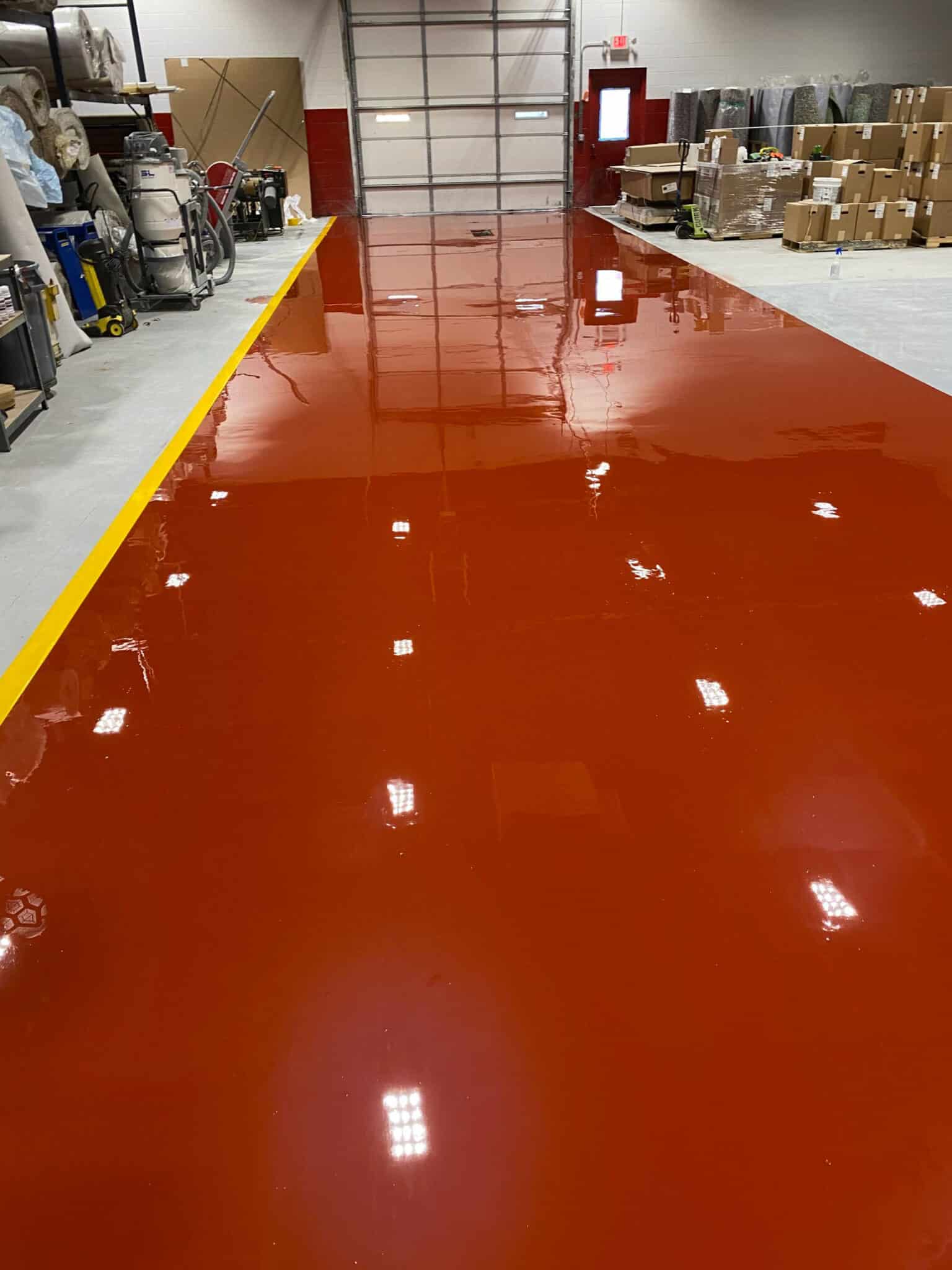
Commercial epoxy is applied over prepared concrete to create a continuous protective surface. It is often a strong fit for warehouses, automotive spaces, industrial facilities, schools, offices, and other work environments where bare concrete can absorb spills, generate dust, or wear unevenly. The objective is not simply to change the floor’s appearance, but to match the floor system to real use conditions.
- Reduce concrete dusting and make routine sweeping or mopping more straightforward.
- Create a smooth, nonporous surface that is easier to keep visually consistent.
- Support areas exposed to foot traffic, rolling equipment, vehicles, or stored materials.
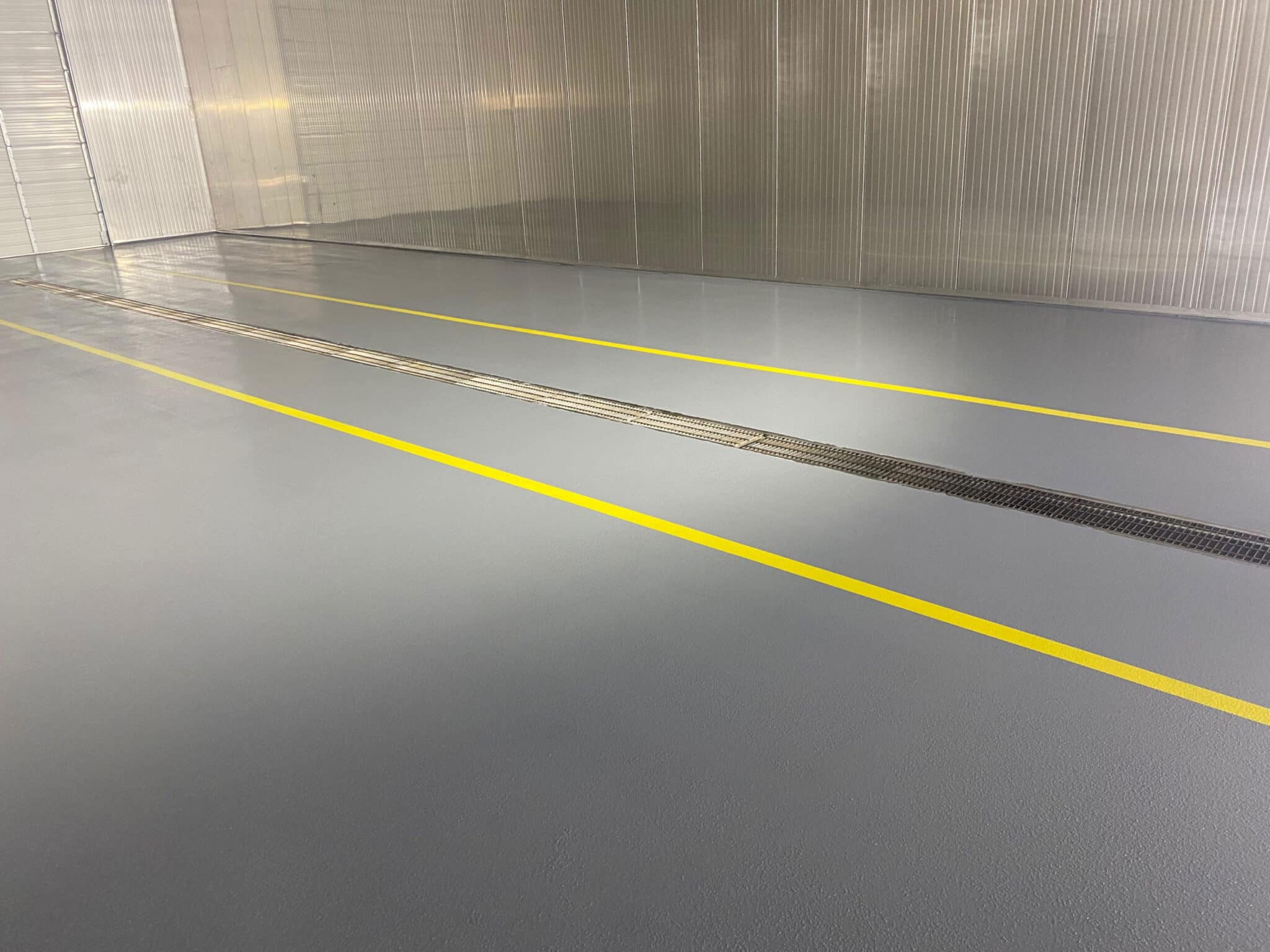
- Improve organization with defined work zones, aisle traffic striping, or floor markings where appropriate.
- Address surface defects through crack repair and substrate preparation before coating begins.
Concrete preparation is central to coating performance. A durable resin floor depends on a clean, sound substrate with appropriate surface texture and repairs completed before the coating is installed. Covering loose material, contamination, or unresolved cracking without evaluating it first can compromise adhesion and leave a business with a finish that does not meet its needs.
Choose a system for the work, not just the look
Not every commercial floor needs the same build or finish. A back-of-house storage room, a warehouse travel lane, an automotive service area, and a public-facing lobby can have different exposure levels, maintenance needs, and visual priorities. Discussing those differences early helps determine whether a solid-color epoxy, urethane topcoat, quartz system, polished concrete, acid stain, or another concrete finish is the more sensible path.
For a clear overview of available commercial epoxy contractors services, business owners can compare flooring options with the realities of their facility in mind. Diamond Coatings Epoxy and Concrete Coatings offers commercial and industrial services that include 100% solid epoxy, urethane coatings, quartz flooring, decorative concrete stain, polished concrete, traffic striping, crack repair, and tile or glue removal. A conversation about intended use helps narrow the choices before a project is scheduled.
A practical process for Commercial Epoxy Flooring
A well-planned coating project starts with the concrete rather than a color chart. Diamond Coatings Epoxy and Concrete Coatings can assess the condition of the existing floor and discuss the scope of work needed for a commercial setting in Madison Heights, MI. The resulting plan should account for the substrate, the selected system, and the business’s operational constraints.
- Review the floor and its use: Identify damage, previous coverings, stains, traffic patterns, and areas that may need special attention.
- Prepare and repair the concrete: Remove failed materials or residues as needed, repair cracks, and create a suitable surface for adhesion.
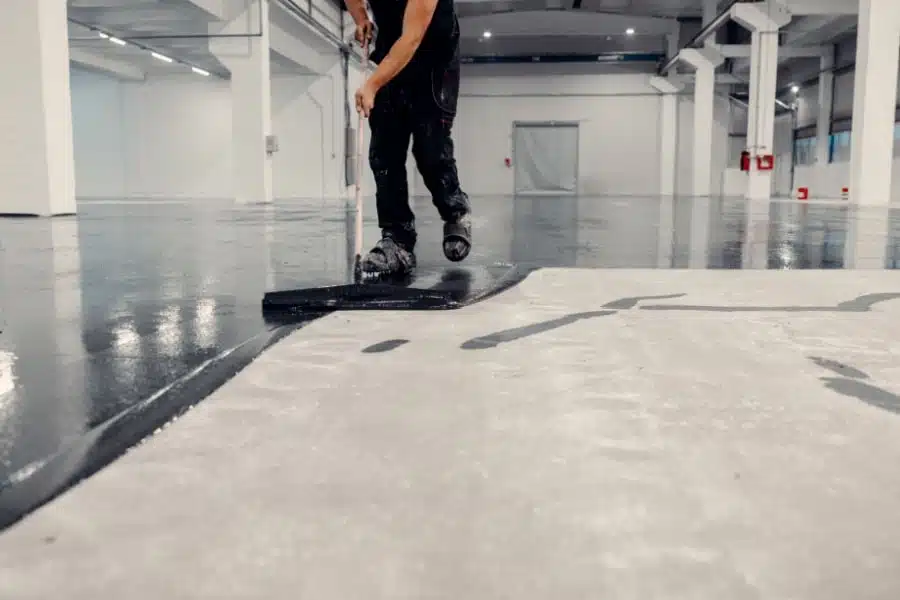
- Install the selected coating system: Apply the specified epoxy, urethane, quartz, stain, or other finish in appropriate layers.
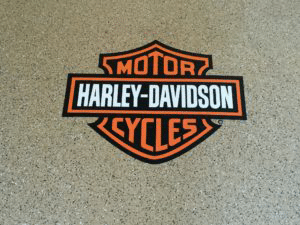
- Add functional details: Include aisle markings, logos, color zoning, or decorative elements when they support the space’s purpose.
- Allow for cure and return to use: Follow the installation guidance for the chosen system before placing the area back into service.
Downtime is an important planning question, especially in active facilities. Cure times and scheduling considerations vary by product, concrete condition, temperature, humidity, floor preparation, and the scope of repairs. It is reasonable to ask how the work can be phased, what must be removed from the area, and when foot traffic, equipment, or vehicles can safely return.
Preparation, moisture, and existing floor coverings matter
A coating is only as dependable as the concrete and preparation beneath it. Older floors may have cracks, moisture-related concerns, old tile adhesive, paint, or contamination that must be evaluated before a new resin surface is installed. Removing tile and glue, making necessary repairs, and selecting a compatible system are meaningful parts of the project, not incidental add-ons.
It is also useful to distinguish a protective coating from every possible concrete solution. Epoxy can be an excellent choice when a seamless, durable finish and easier cleanup are priorities, while polished concrete may suit a facility seeking a mechanically refined concrete surface without a film-forming coating. Acid stain and decorative concrete stain focus more on color variation, and urethane coatings may be considered where their performance characteristics fit the environment.
Finish options that support function and brand presentation
Commercial flooring does not have to choose between utility and appearance. The right color, texture, and layout can support wayfinding, reinforce a clean professional setting, or separate work areas from public areas. Selection should remain grounded in maintenance and traffic needs, since a striking floor still has to perform throughout the workday.
Color can organize a commercial environment
Reviewing base colors is a useful first step when a facility needs a consistent, solid foundation for its floor design. Neutral tones can help conceal everyday dust in some settings, while brighter or contrasting selections may help define specific areas when used thoughtfully. Color should be considered alongside lighting, wall finishes, cleaning practices, and the possibility of future repairs or expansions.
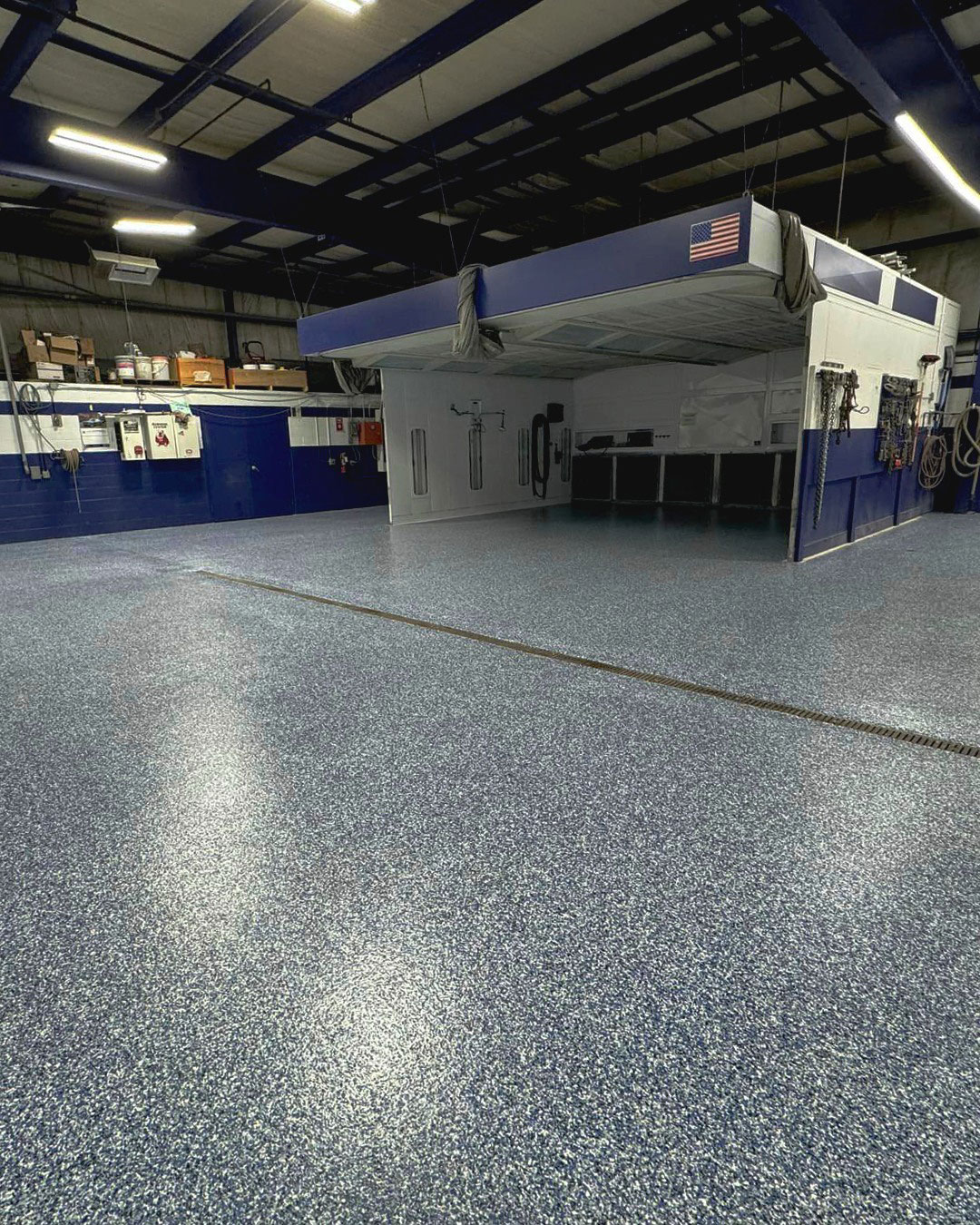
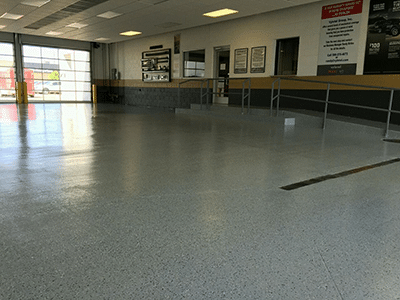
decorative chips can add visual variation to a coated floor while reducing the uniform appearance that may make minor debris or wear more noticeable. Chip blends are commonly associated with finished, multi-tonal surfaces, but the appropriate choice depends on whether the area is customer-facing, operational, or both. Discuss the desired texture, appearance, and cleaning expectations before selecting a broadcast-style finish.
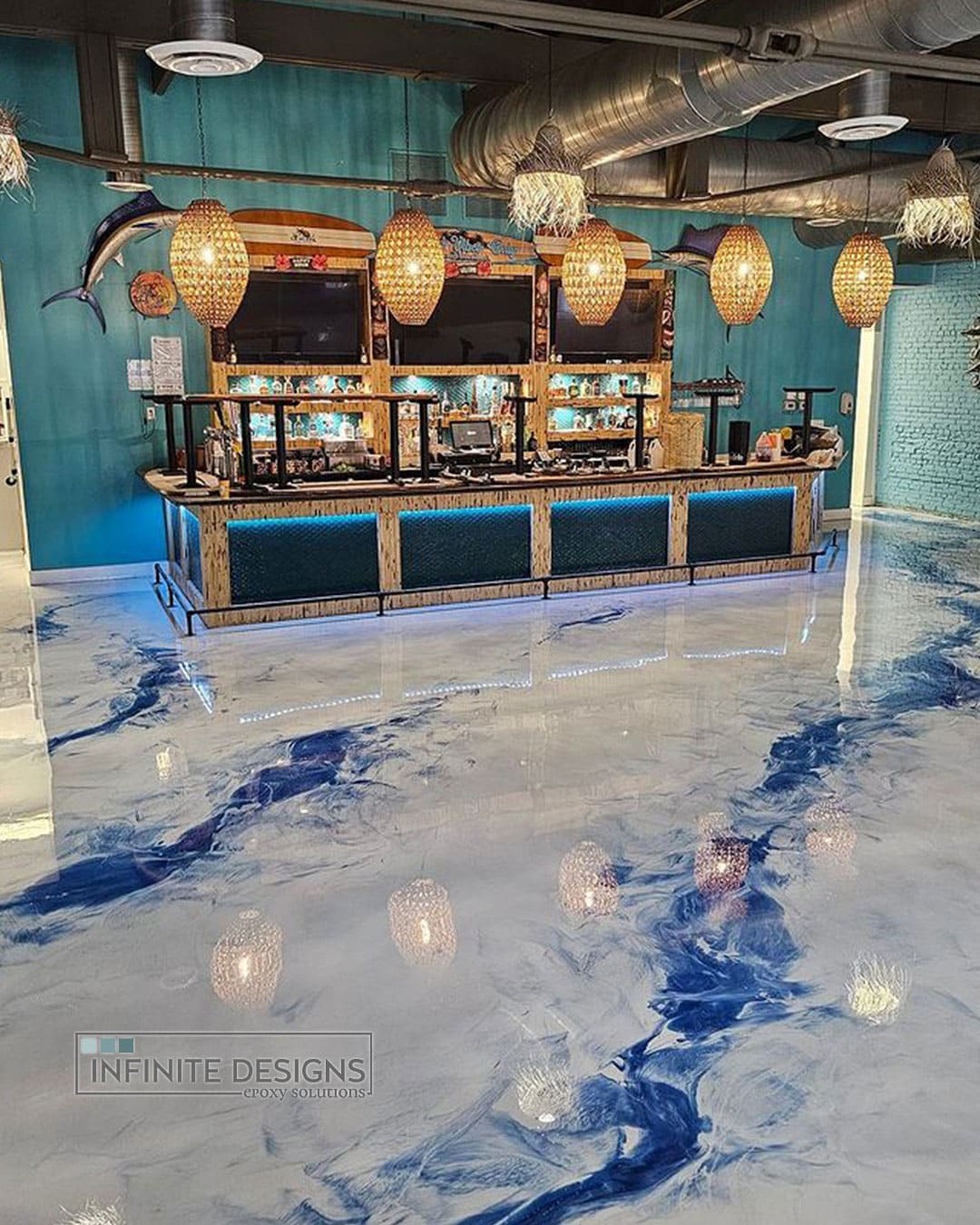
For spaces where visual impact is a primary consideration, metallic additives create movement and depth that differ from a standard single-color coating. These effects may be better suited to showrooms, lobbies, or designated presentation areas than to every heavy-duty work zone. A business can use a distinctive finish selectively while keeping high-traffic areas focused on straightforward durability and maintenance.
How to evaluate a commercial flooring provider
The best decision begins with specific questions about the floor, the installation approach, and the expected use after completion. A provider should understand whether the space handles forklifts, wheeled carts, vehicles, foot traffic, cleaning chemicals, or changing work layouts. Clear communication about prep work, coating options, schedule, and maintenance helps a property owner compare proposals on scope rather than appearance alone.
- What concrete repairs, removal work, or surface preparation does the existing floor require?
- Which coating or concrete finishing option matches the intended traffic and cleaning routine?
- Can aisle striping, logos, or designated zones be incorporated into the floor plan?
- What site access, clearing, and operational scheduling should be planned before installation?
- What maintenance practices are appropriate after the floor is returned to use?
Seeing completed surfaces can help translate options into a more confident decision. The our work gallery offers a way to review flooring project examples and consider how different finishes may read in a real setting. Use project imagery as a starting point for conversation, then make the final material choice based on the specific condition and demands of your own commercial concrete.
Feedback from previous customers is another useful part of due diligence. Reading client reviews can provide added context about the customer experience and the types of projects people discuss. Reviews should complement, rather than replace, a detailed discussion of your facility’s floor condition, scope, schedule, and desired result.
Plan a floor that works harder for your business
Diamond Coatings Epoxy and Concrete Coatings brings commercial and industrial flooring options to businesses seeking Commercial Epoxy Flooring in Madison Heights and surrounding Michigan communities. From surface repair and coating installation to decorative finishes, polished concrete, and traffic marking, the available services allow a project to be shaped around operational needs. The company is located in Shelby Township, MI, not Madison Heights, so an estimate conversation is the appropriate way to discuss your specific project location and scope.
If your concrete floor is difficult to maintain, worn by daily use, or no longer aligned with the way your business operates, an appointment can clarify the practical next steps. Bring details about the space size, current floor condition, anticipated traffic, desired appearance, and scheduling needs. Request an estimate appointment with Diamond Coatings Epoxy and Concrete Coatings to discuss a commercial flooring solution for your Madison Heights, MI property.
Commercial epoxy flooring questions
What is Commercial Epoxy Flooring?
Commercial Epoxy Flooring is a resin-based coating system installed over properly prepared concrete to create a durable, seamless surface. It is commonly considered for warehouses, automotive areas, industrial spaces, offices, schools, and other facilities that need a floor that is easier to clean and better suited to daily traffic.
Can a commercial epoxy floor be installed over cracked or previously covered concrete?
Possibly, but the existing slab needs evaluation first. Cracks may require repair, while old tile, glue, paint, or other residues may need removal so the new system has an appropriate substrate. The needed preparation depends on the concrete’s condition and the selected finish.
How should a business choose between epoxy, urethane, polished concrete, and decorative stain?
The decision should reflect traffic, cleaning needs, exposure conditions, desired appearance, and maintenance expectations. Epoxy provides a seamless coated surface, urethane can serve as a coating option, polished concrete refines the slab itself, and decorative stains emphasize color. A project discussion helps determine which approach fits the facility.
Does Diamond Coatings Epoxy and Concrete Coatings have an office in Madison Heights, MI?
Diamond Coatings Epoxy and Concrete Coatings is located in Shelby Township, MI. The company provides commercial flooring services in Madison Heights, MI, and a request for an estimate is the best way to discuss the project location, floor condition, and service needs.