Commercial Floor Coatings In Macomb, MI
Commercial floors work hard, and worn concrete can quickly become a maintenance, safety, and appearance concern. Diamond Coatings Epoxy and Concrete Coatings provides Commercial Floor Coatings in Macomb, MI, helping businesses evaluate practical surfaces for facilities that see foot traffic, carts, vehicles, equipment, spills, and routine cleaning. The company is based in Shelby Township, Michigan, and serves commercial and industrial clients seeking a more durable, finished concrete floor.
A properly selected resinous coating or polished concrete system can make a work area easier to clean, easier to organize, and better suited to its daily use. The right choice depends on the substrate, the type of traffic, chemical exposure, moisture conditions, sanitation needs, and the look the business wants to achieve. Diamond Coatings Epoxy and Concrete Coatings can discuss these factors before a project moves forward, so the finished floor is aligned with the facility rather than chosen from a one-size-fits-all approach.
What a commercial coating system can solve
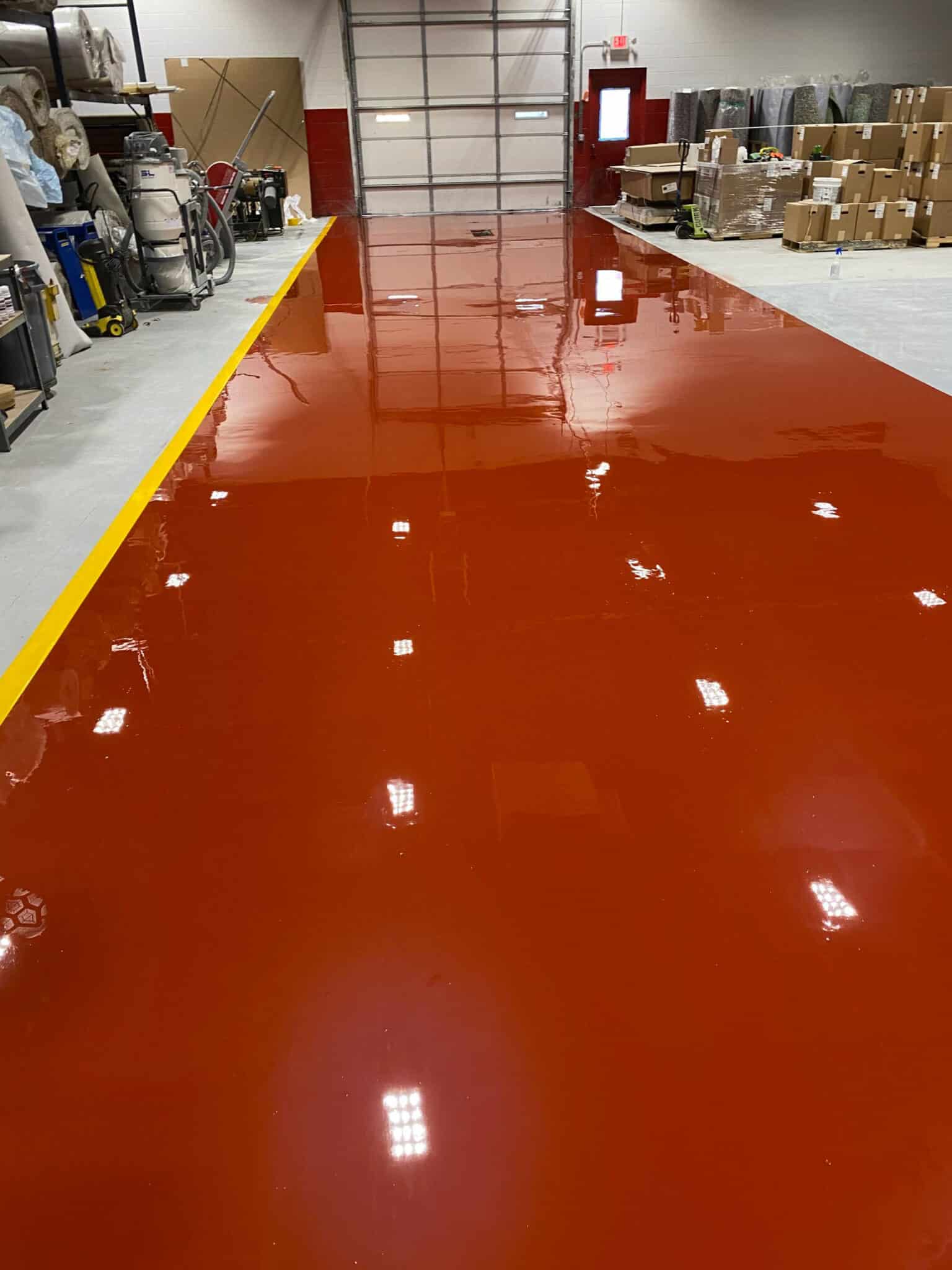
Commercial concrete coatings create a continuous, high-performance wearing surface over prepared concrete, or improve the concrete itself through polishing. For many Macomb-area businesses, the goal is not simply a brighter floor. It is a surface designed to stand up to the conditions that ordinary, unprotected concrete often struggles with, including dusting, staining, abrasion, and difficult cleanup.
- Warehouses that need a clean, organized floor beneath pallet movement and stored materials
- Automotive spaces where fluids, tires, tools, and frequent cleanup affect the slab
- Industrial facilities that need durable surfaces around equipment and work zones
- Schools and offices that benefit from an improved, maintainable concrete floor
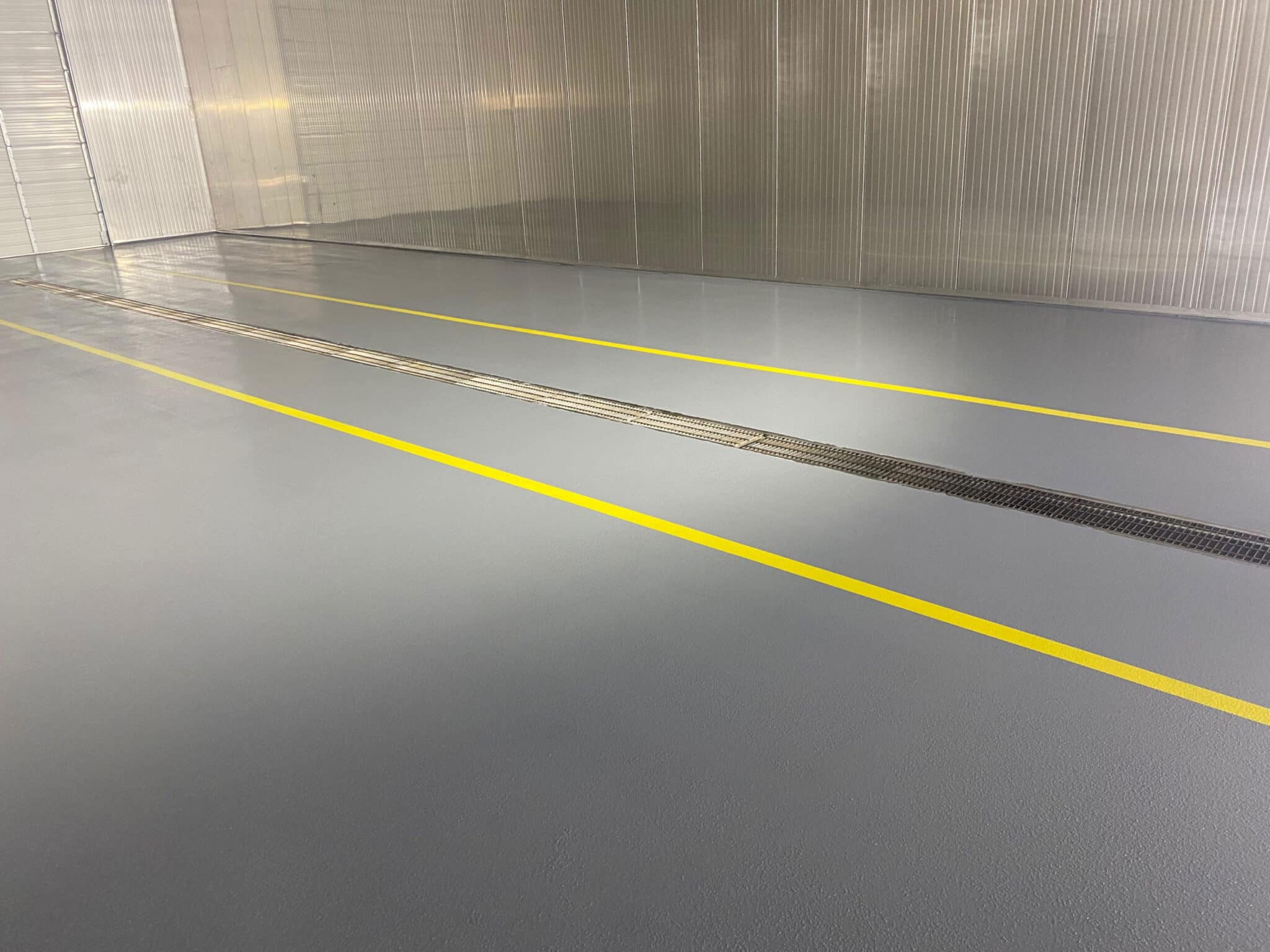
- Commercial spaces that need defined aisles, work areas, or branded visual elements
Diamond Coatings Epoxy and Concrete Coatings offers systems and related services that include 100% solid epoxy, urethane coatings, acid stain, quartz flooring, decorative concrete stain, polished concrete, crack repair, tile and glue removal, general floor maintenance, and aisle traffic striping. This range matters because a busy service bay, a warehouse aisle, and an office entry do not necessarily need the same floor build. Selecting the coating chemistry and finish around actual use is a more useful starting point than selecting solely by color.
Epoxy, urethane, and polished concrete are not interchangeable
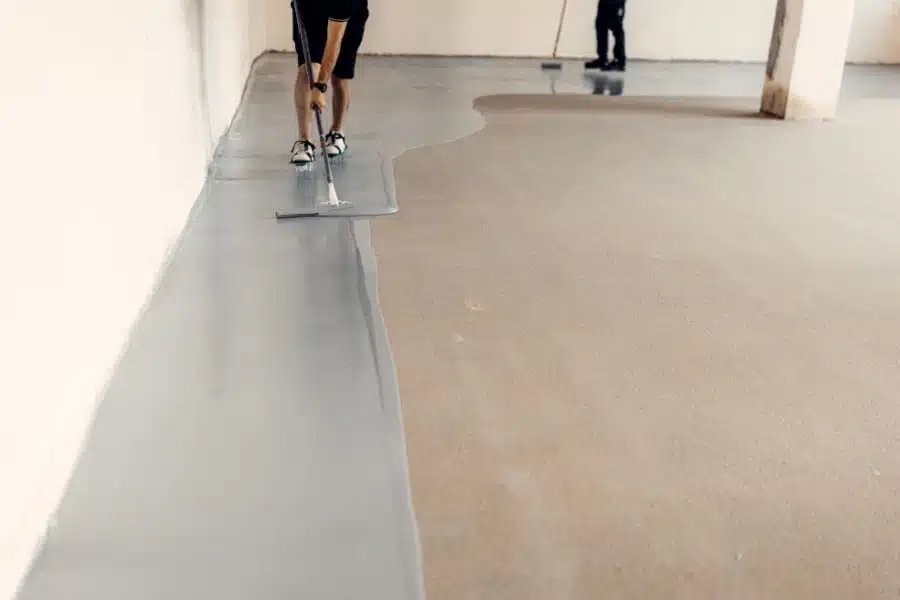
Epoxy flooring is commonly chosen when a facility needs a seamless protective layer over prepared concrete, with a smooth finish that can be built for demanding conditions. Urethane coatings can be part of a coating system where the expected wear or exposure calls for that material’s performance characteristics. Polished concrete takes a different route by mechanically refining the slab into a denser, finished surface, making it a sensible option when the condition of the existing concrete and the desired aesthetic support polishing.
These options should be compared by performance requirements, not by appearance alone. Epoxy and other resinous floor systems can offer color, aggregate, and design flexibility, while polishing preserves a more concrete-forward visual. A site assessment should consider the slab’s condition, prior coatings or adhesives, cracks, moisture concerns, traffic patterns, downtime needs, and how the space will be cleaned after installation.
Preparation determines how a floor performs
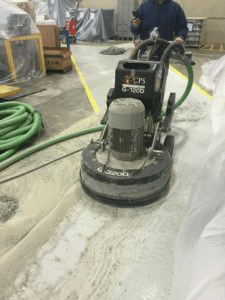
Floor preparation is a central part of a successful commercial installation because coatings rely on a clean, sound concrete profile for adhesion. Existing paint, tile residue, glue, weak concrete, contaminants, and cracks may need attention before the coating layers are applied. Skipping this evaluation can leave visible defects or compromise the bond between the new system and the slab.
- Evaluate the space: Review the intended use, visible slab condition, existing finishes, and operational priorities.
- Plan surface work: Address needed crack repair, removal of old materials, and concrete preparation before coating.
- Select the system: Match epoxy, urethane, quartz, decorative, or polished concrete options to the facility’s needs.
- Coordinate installation: Plan access, staging, traffic control, and cure time around business operations.
- Maintain the floor: Use appropriate cleaning practices and address damage promptly to protect the finished surface.
It is reasonable to ask a provider how the concrete will be evaluated and prepared, what the installation sequence involves, and when the area can return to service. Those details affect scheduling as much as the floor’s final appearance. Businesses should also identify areas with heavier traffic, concentrated spills, loading activity, or hygiene requirements early in the discussion.
Built around the way your facility operates
The most useful commercial flooring plan begins with the operational problem. A warehouse may prioritize aisle definition and resistance to constant rolling loads, while an automotive area may prioritize a finish that supports regular cleanup after fluid exposure. An office or school may focus more on a clean visual presentation and manageable maintenance. In each setting, the floor should support the work rather than introduce another recurring task for the facility team.
For businesses considering commercial epoxy contractors, Commercial Floor Coatings should be evaluated as a complete concrete-floor project, not merely a material purchase. Discuss the conditions the floor faces, the desired finish, and any required striping, logos, repairs, or removal work. A clear scope helps distinguish a coating suited to a light-use area from a more robust system intended for industrial demands.
Color and design can support function
Color is more than a decorative decision on a commercial floor. Thoughtful use of base colors can help a business create a consistent backdrop for work areas, customer-facing spaces, or defined zones. The underlying tone also influences how marks, dust, and everyday wear present, so it should be considered alongside lighting, maintenance routines, and the facility’s visual identity.
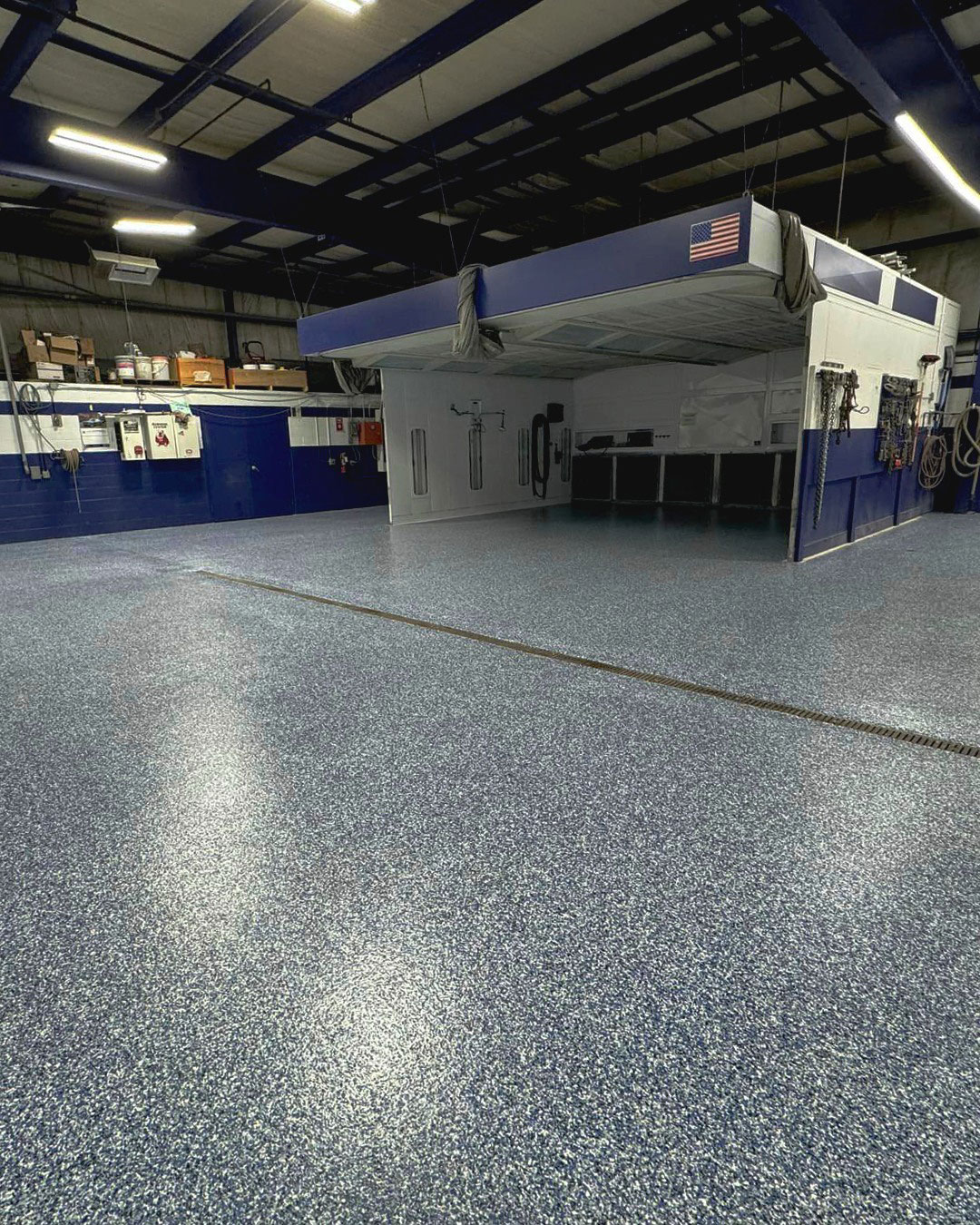
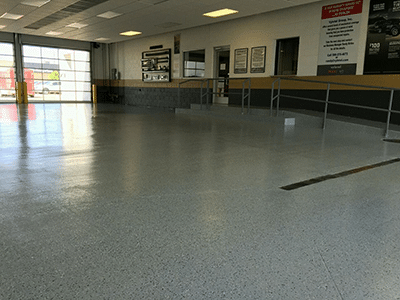
In many resinous systems, decorative chips add texture and visual variation over a colored base before the system is finished. This approach can create a more dimensional appearance than a single solid color and can be useful where a refined, less industrial look is desired. Chip blend, coverage level, and finish should be selected with the intended setting and cleaning expectations in mind.
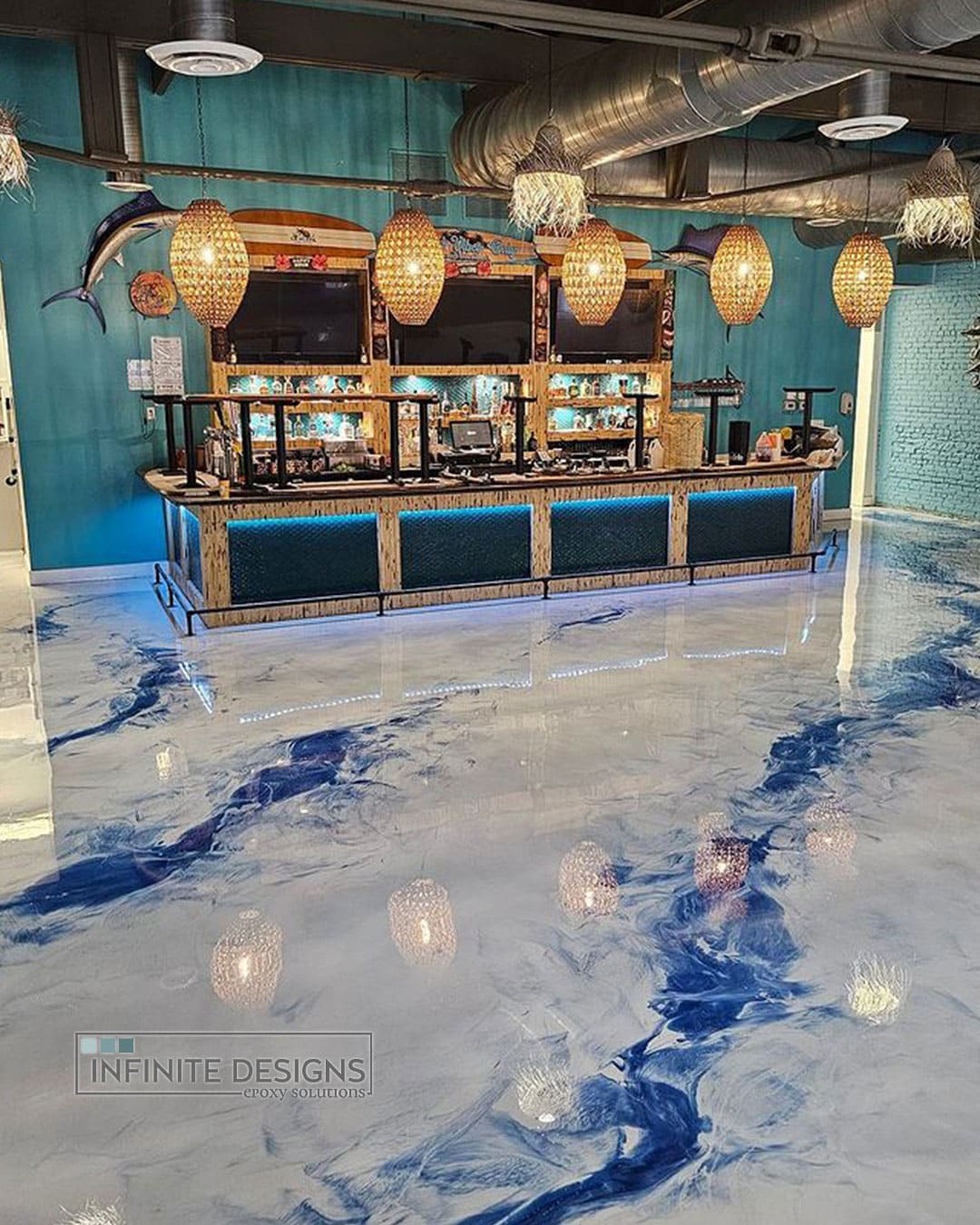
For projects seeking a distinctive visual effect, metallic additives can introduce movement, depth, and reflective variation into a resinous floor design. Because these effects are inherently more expressive than a standard solid-color system, they are often best considered for showrooms, lobbies, retail-facing areas, or spaces where visual impact is a major priority. The functional requirements of the floor still come first, including preparation and the appropriate protective finish.
Why local commercial customers consider Diamond Coatings
Diamond Coatings Epoxy and Concrete Coatings is an owner-operated business based in Shelby Township, MI, specializing in epoxy floor coating and concrete floor polishing for commercial, industrial, and residential clients. For a business in Macomb, Michigan, that means working with a company whose stated service offerings include both protective coating systems and concrete finishing options. The conversation can stay focused on the specific slab and the performance needs of the space.
Reviewing completed projects can make it easier to picture how different materials, colors, and layouts may translate to a real facility. The our work gallery offers a useful starting point for comparing floor styles, surface treatments, and applications. It should inform questions for a project consultation, rather than replace an on-site discussion of the concrete’s existing condition.
Feedback can also be one part of a careful provider-selection process. Reading client reviews may help prospective customers understand what prior clients chose to share about their experience. Along with reviews, ask direct questions about the proposed system, preparation steps, project timing, maintenance expectations, and what information is needed to develop an accurate estimate.
Questions worth considering before requesting an estimate
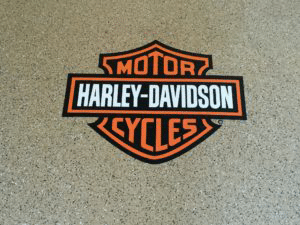
A productive estimate request gives the flooring contractor enough context to identify likely challenges and appropriate options. If possible, note the approximate floor area, building use, condition of the existing slab, prior coatings or flooring, and the types of traffic the space receives. Mention operational constraints such as areas that must remain accessible, desired project timing, and any need for striping or a logo.
- What is the floor used for each day, and what type of loads or vehicles cross it?
- Are there cracks, peeling coatings, tile, glue, stains, or damaged concrete to address?
- What cleaning products, spills, moisture, or temperature changes affect the space?
- Is the priority durability, sanitation, visual presentation, traffic organization, or a combination?
- What downtime can the business reasonably accommodate while the floor is prepared and cured?
Commercial flooring is a long-term facility decision, so the lowest initial option is not always the most suitable one. A system that accounts for traffic, preparation, and maintenance may better support the practical life of the floor. Diamond Coatings Epoxy and Concrete Coatings can help Macomb customers start that decision with a focused conversation about their concrete and their goals.
Common questions about commercial floors
What are Commercial Floor Coatings used for?
Commercial Floor Coatings protect and finish concrete in workplaces such as warehouses, automotive facilities, industrial spaces, schools, and offices. They can improve cleanability, appearance, and resistance to daily wear when the concrete is properly prepared and the system is selected for the space’s actual use.
Can a coating be installed over cracked or previously finished concrete?
Possibly, but the existing floor needs evaluation first. Cracks, failing coatings, tile, glue, weak concrete, and contaminants can require repair or removal before a new coating is applied. Preparation is not an optional cosmetic step, because it supports adhesion and helps create a more consistent finished surface.
How do I choose between epoxy flooring and polished concrete?
The choice depends on the slab condition, desired appearance, traffic, maintenance plan, and performance needs. Epoxy flooring provides a protective resinous surface with design flexibility. Polished concrete refines the existing slab. Discussing the building’s use and concrete condition helps identify which approach fits the project.
Does Diamond Coatings Epoxy and Concrete Coatings have an office in Macomb, MI?
Diamond Coatings Epoxy and Concrete Coatings is based in Shelby Township, Michigan, not represented here as having a physical office in Macomb. The company provides commercial and industrial flooring services for customers seeking commercial floor solutions in Macomb, MI and surrounding areas.
Schedule a commercial flooring consultation
If your concrete floor is difficult to clean, showing wear, or no longer supporting the way your team works, now is a practical time to evaluate the options. Bring your facility needs, slab concerns, and visual goals to Diamond Coatings Epoxy and Concrete Coatings. The company is based in Shelby Township, MI and can discuss an appropriate commercial coating, polished concrete, repair, or removal scope for your project.
Request an appointment for an estimate with Diamond Coatings Epoxy and Concrete Coatings to begin planning Commercial Floor Coatings in Macomb, MI. A detailed conversation about traffic, preparation, design, and operations is the best first step toward a floor built for the demands of your business.