Industrial Flooring Solutions In Macomb, MI
Facilities in Macomb, MI need floors that can support daily traffic, simplify cleanup, and present a controlled, professional work environment. Diamond Coatings Epoxy and Concrete Coatings provides Industrial Flooring Solutions in Macomb, MI from its Shelby Township, MI location, helping commercial and industrial property owners evaluate coating, polishing, repair, and surface-preparation needs. The right system begins with the demands placed on the concrete, not with a one-size-fits-all finish.
Whether a floor is affected by forklift movement, rolling carts, equipment, stored inventory, vehicle traffic, stains, or worn coating layers, the goal is to create a surface that fits the operation. A properly planned concrete floor system can improve cleanability, define work zones, and protect the underlying slab from routine wear. Diamond Coatings Epoxy and Concrete Coatings offers commercial and industrial services that include epoxy coatings, urethane coatings, polished concrete, crack repair, decorative concrete stain, tile and glue removal, and general floor maintenance.
Choose a floor system around the work your facility performs
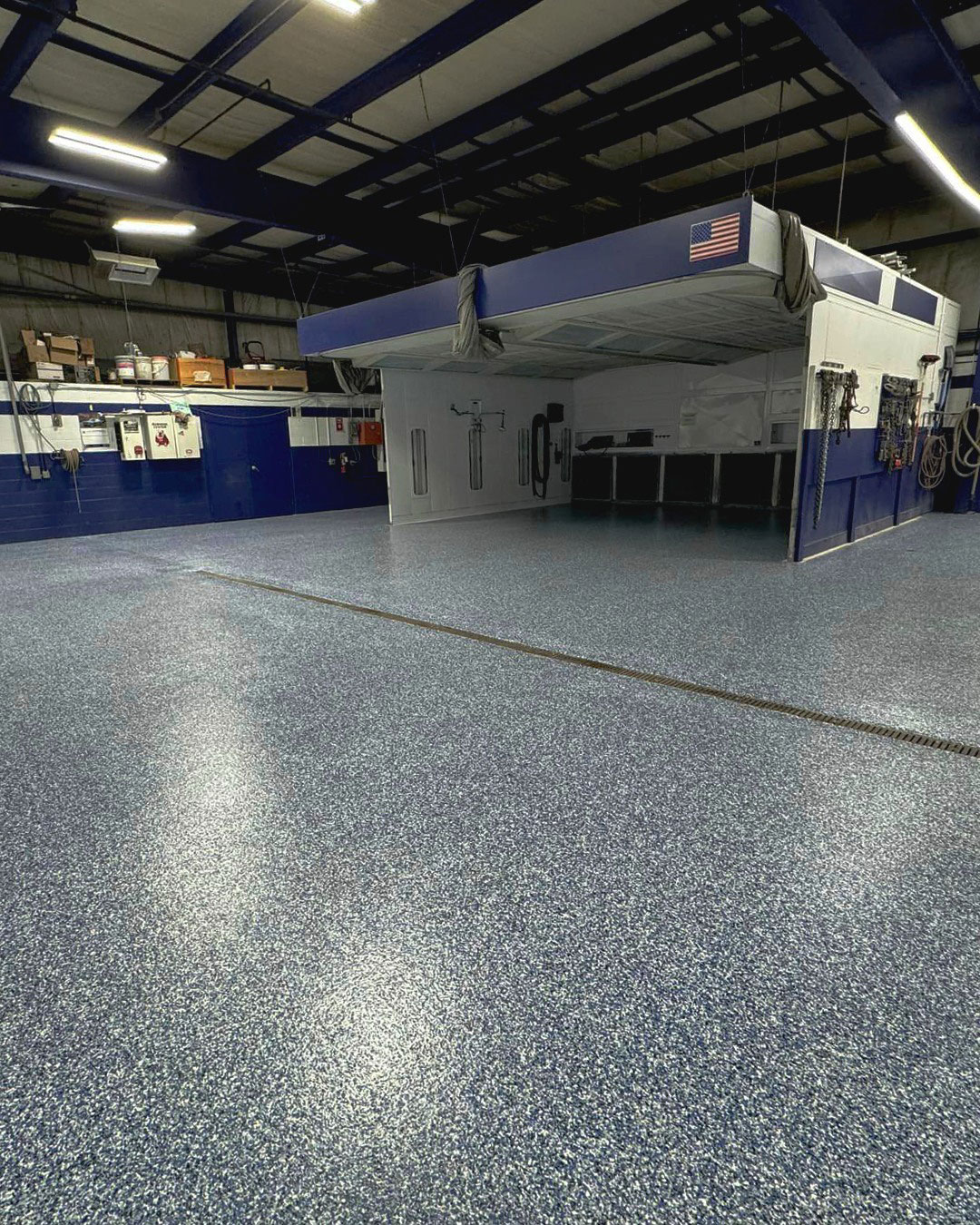
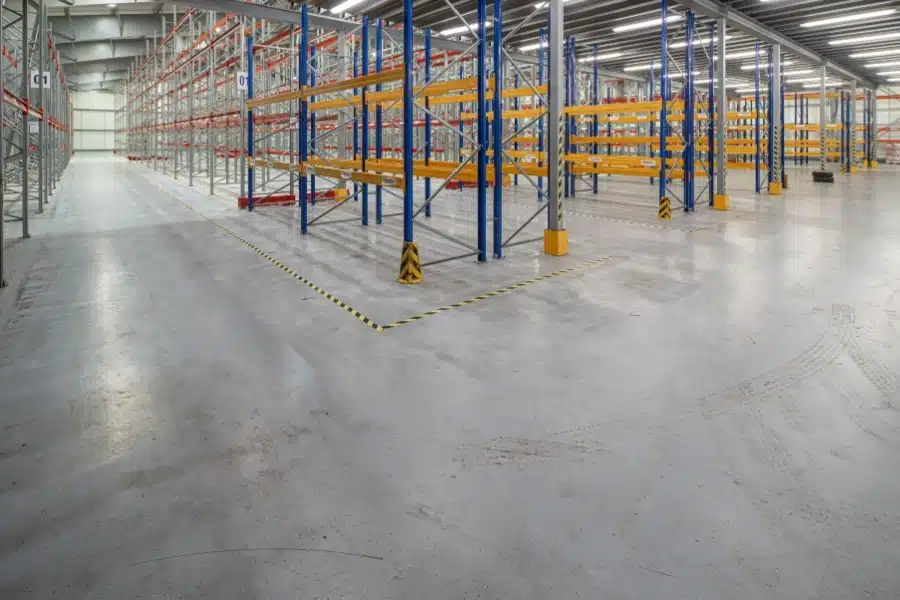
Industrial floor coatings are most effective when the material, surface profile, texture, and layout are chosen for the specific building use. A warehouse floor may prioritize heavy-load durability and clear traffic lanes, while an automotive workspace may need a coating that is easier to clean after spills. Schools, offices, manufacturing spaces, storage areas, and other commercial properties can have different needs even when each starts with a concrete slab.
For owners comparing options, Industrial Flooring Solutions can include more than a protective top layer. They can address slab condition, existing floor coverings, traffic patterns, safety markings, and the desired appearance of the finished space. Discussing these details before work begins helps determine whether a solid epoxy system, urethane finish, polished concrete surface, stain, quartz system, or another approach makes practical sense.
Common operating concerns a floor system can address
Concrete is durable, but unprotected or deteriorating concrete can become harder to maintain when it is exposed to abrasion, impact, moisture, dirt, or frequent cleaning. Existing cracks, failed coatings, adhesive residue, and uneven-looking surfaces should be considered as part of the project rather than treated as afterthoughts. A professional review helps connect the floor’s condition to the demands of the space.
- Frequent vehicle, pallet-jack, cart, or forklift traffic
- Dusting concrete, stains, old paint, or worn coating layers
- Cracks and joints that affect appearance or maintenance planning
- Need for cleaner-looking production, storage, service, or receiving areas
- Defined pedestrian routes, equipment zones, aisles, or safety striping
- Removal of old tile or glue before a new floor finish is installed
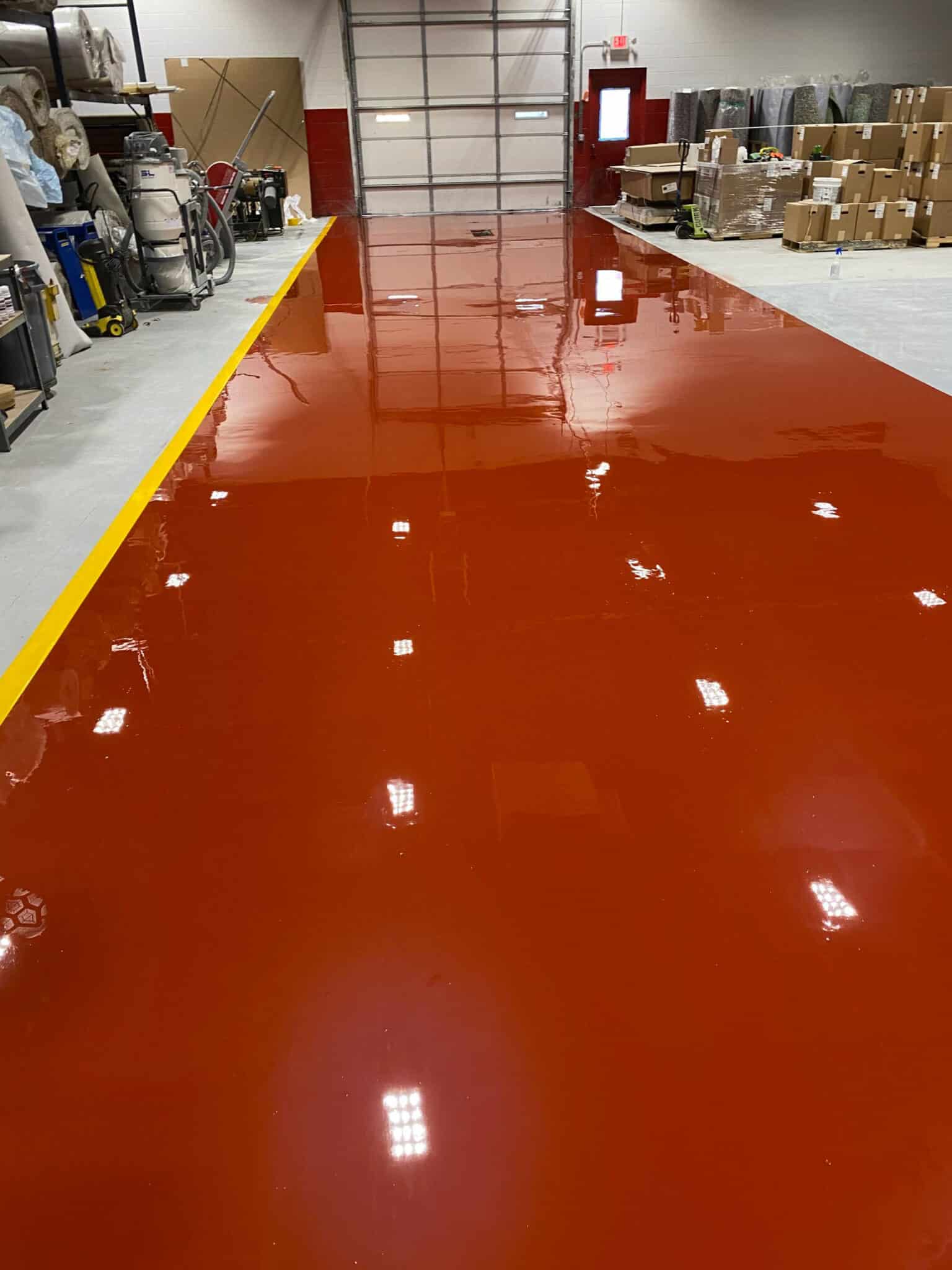
Industrial epoxy flooring is a common choice when a business wants a smooth, durable coating applied over prepared concrete. Diamond Coatings Epoxy and Concrete Coatings discusses industrial epoxy flooring as part of its commercial offering, alongside options such as 100% solid epoxy and urethane coatings. The appropriate build depends on the substrate, expected traffic, cleaning practices, and whether the area needs a more decorative or strictly functional result.
What a practical industrial floor project typically involves
A dependable floor installation depends on preparation as much as the visible finish. Before a coating or polished surface is selected, the existing concrete should be assessed for cracks, previous coatings, adhesive, contamination, and other conditions that can affect the new system. This planning stage also gives a property owner an opportunity to explain access needs and operational priorities.
- Review the space and its use. Identify the floor’s current condition, traffic type, cleaning needs, and the areas that require protection or visual definition.
- Plan surface preparation. Determine how old coatings, tile, glue, damaged material, or crack-related concerns should be addressed before the finish is applied.
- Select the finish and layout. Compare coating, polished concrete, stain, quartz, and marking options based on function, maintenance, and appearance.
- Prepare and install. The concrete is readied and the selected system is applied or finished according to the project plan.
- Plan use after completion. Confirm when the area can return to service and how routine cleaning can support the floor’s appearance.
Project sequencing matters in active facilities. It can be useful to identify loading areas, entrances, work cells, storage zones, or aisles that cannot be unavailable at the same time. Asking about preparation, installation stages, and return-to-service expectations gives a decision-maker a clearer picture of how a floor project may fit around operations.
Coatings, polished concrete, and decorative options serve different goals
Epoxy and urethane coatings are often considered when a facility wants a continuous protective surface over concrete. Polished concrete takes a different path by mechanically refining the concrete surface for a durable, low-maintenance appearance rather than building a coating on top. Decorative stains, quartz flooring, and custom visual elements may be appropriate where appearance, wayfinding, or a more finished customer-facing environment matters alongside everyday performance.
Base colors help facility managers make visual choices that support the intended use of a room, from neutral work areas to tones that coordinate with walls, equipment, or branding. The base colors available for a coating project should be considered with lighting, soil visibility, and how easily employees and visitors can see aisle boundaries or work areas. Color is not a substitute for a durable system, but it is an important part of creating an orderly, intentional-looking floor.
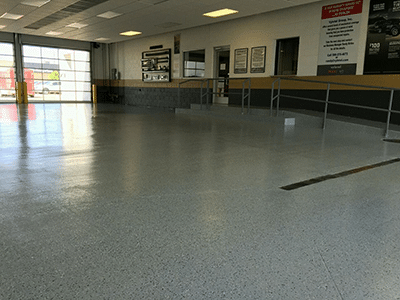
Decorative chips can add texture, color variation, and visual depth to a coated concrete surface. Reviewing decorative chips is especially useful for office-adjacent workspaces, showrooms, service counters, break areas, and other locations where a plain solid-color floor may not be the desired look. Chip blends should be selected with the rest of the finish system and the practical cleaning needs of the area in mind.
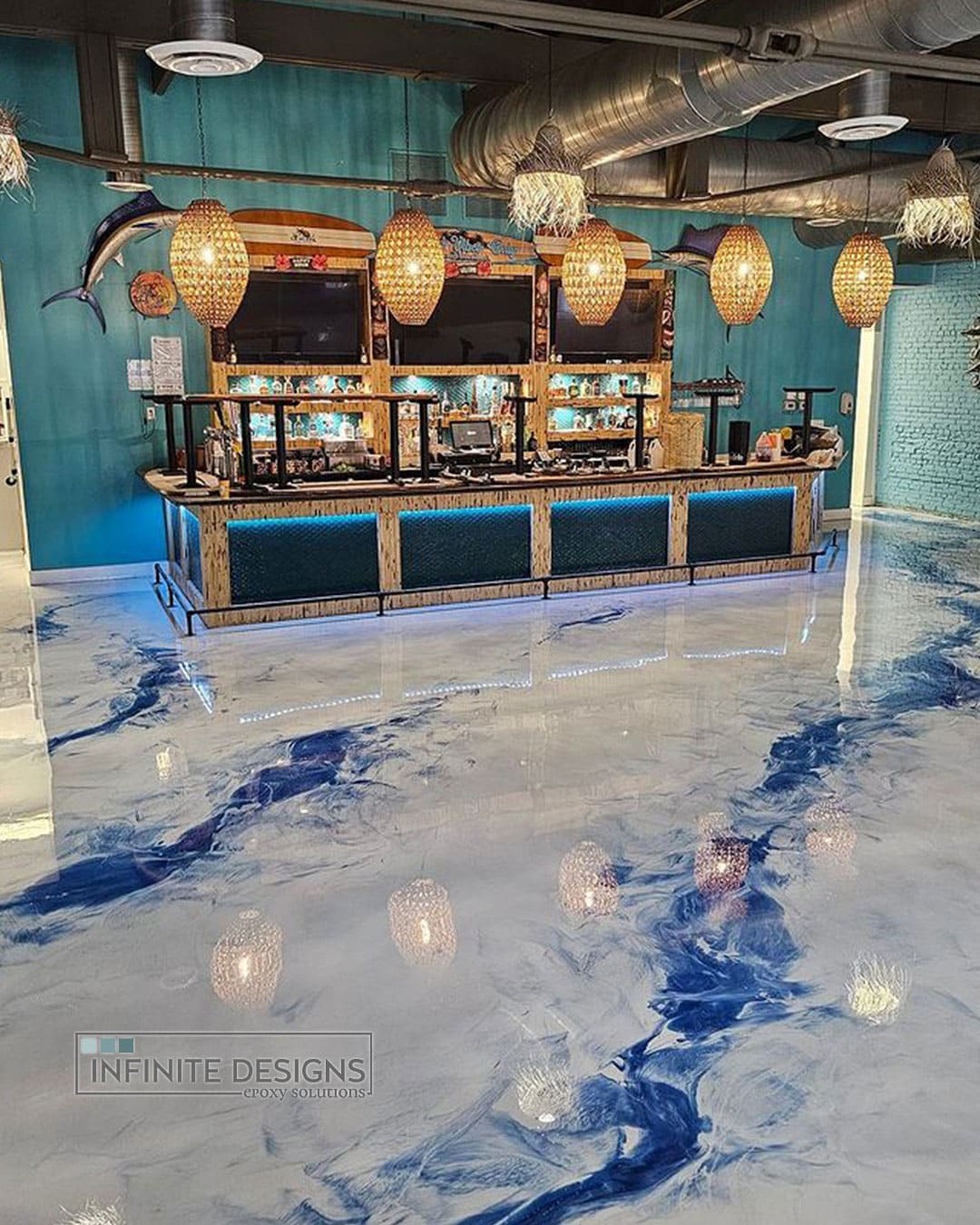
Metallic additives create movement and reflective variation that can make a finished floor look more customized. The metallic additives options are generally more appearance-driven than a standard industrial coating choice, so they are worth discussing for spaces where visual impact is part of the project goal. For high-traffic production areas, function, traction considerations, and maintenance requirements should remain central to the decision.
Details that make a floor easier to operate and maintain
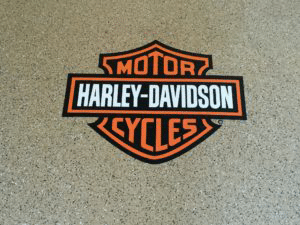
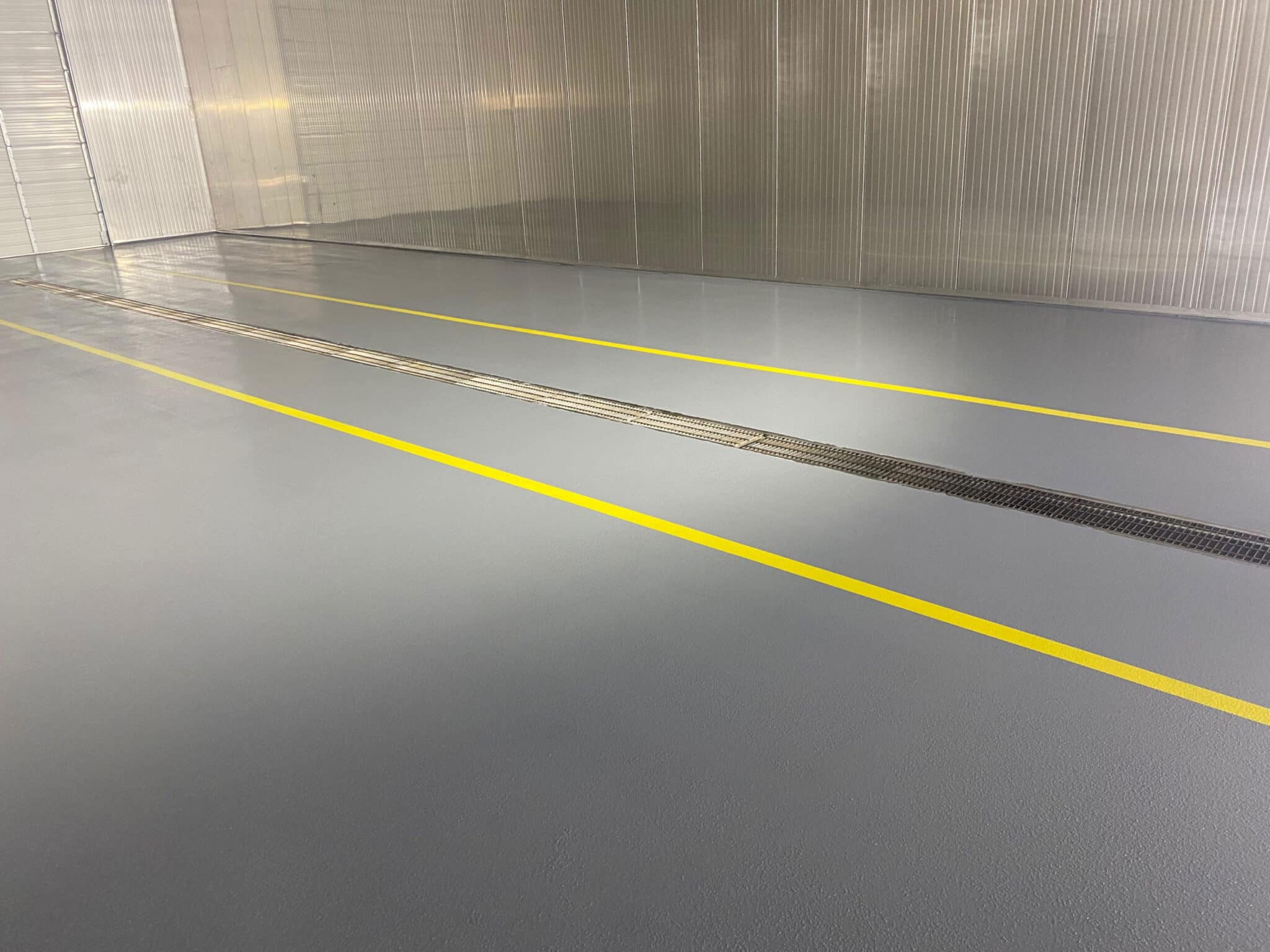
A floor system should support how people move through the building every day. Aisle traffic striping and logos applied to the floor can help organize pedestrian routes, equipment lanes, staging areas, or branded commercial spaces. These details are most useful when they are planned with the overall floor finish rather than added without considering the surface below.
Maintenance expectations should be realistic. Coated and polished floors can make routine cleaning more straightforward than a rough, stained, or failing surface, but no floor is maintenance-free. Use cleaning methods appropriate for the installed finish, address spills according to facility practices, and watch for damage that may warrant professional attention before it becomes more extensive.
Questions to consider before selecting a provider
The strongest proposal is not necessarily the one that focuses only on color or the first visible issue. A useful conversation should cover the concrete’s existing condition, the intended finish, the type of traffic, the required preparation, and what sections of the building must remain functional. Property owners should also ask whether crack repair, removal of old materials, striping, polishing, or a protective topcoat belongs in the scope.
- What loads, vehicles, equipment, and foot traffic will use the floor?
- Is the concrete bare, cracked, previously coated, tiled, or covered with adhesive?
- Are there areas that need aisle lines, logos, color separation, or a more decorative finish?
- What cleaning routine will the facility use after the work is complete?
- Which parts of the building need coordinated scheduling to limit operational disruption?
Diamond Coatings Epoxy and Concrete Coatings is an owner-operated business specializing in epoxy floor coating and concrete floor polishing for commercial, industrial, and residential clients. For a Macomb, Michigan property owner, that range of services can make it easier to discuss the condition of the slab and compare a coating project with polished concrete or related concrete-floor work. The company is located in Shelby Township, MI, rather than claiming an office in Macomb, and serves customers seeking industrial flooring help in the Macomb area.
See finish ideas and prepare for an estimate
Looking at completed project examples can help turn a general flooring need into a clearer scope. The our work gallery provides a useful starting point for considering surface styles, finish types, and the range of commercial and concrete-coating applications. Use examples for inspiration, then base the final selection on the operational demands and condition of your own facility.
Customer feedback can also be one part of a careful provider evaluation. Reading client reviews may help a prospective customer understand what past clients chose to share about their experience. Reviews do not replace a site-specific conversation, but they can help inform the questions you bring to an estimate appointment.
If your concrete floor is difficult to clean, showing visible wear, or no longer aligned with the way your facility operates, an estimate discussion is an appropriate next step. Share the building use, approximate areas of concern, existing floor materials, and any desired color, marking, or scheduling considerations. Diamond Coatings Epoxy and Concrete Coatings can help you start a focused conversation about commercial and industrial floor options in Macomb, MI and elsewhere in Michigan.
Answers for Macomb facility owners
What are Industrial Flooring Solutions?
Industrial Flooring Solutions are systems and services that improve concrete floors for commercial or industrial use. They may include epoxy or urethane coatings, polished concrete, crack repair, tile and glue removal, decorative finishes, and aisle markings. The appropriate choice depends on the slab condition, traffic, cleaning needs, and desired appearance.
Is epoxy the only option for an industrial concrete floor?
No. Epoxy is one option, but polished concrete, urethane coatings, decorative stain, and quartz flooring can also be considered. The best fit depends on how the space is used, the condition of the existing concrete, the desired finish, and whether the floor needs visual features such as striping or logos.
Can an existing damaged or covered floor be evaluated for a new finish?
Yes. Existing cracks, failed coatings, old tile, and glue residue are important conditions to discuss before selecting a new floor system. Preparation and repair needs can affect the project scope, which is why a review of the current substrate should come before assumptions about the final finish.
Does Diamond Coatings Epoxy and Concrete Coatings have an office in Macomb, MI?
Diamond Coatings Epoxy and Concrete Coatings is located in Shelby Township, MI and provides industrial flooring services in Macomb, MI. Requesting an estimate is the practical way to discuss your facility, concrete condition, and the type of floor solution you are considering.
Ready to assess your facility floor? Request an appointment for an estimate with Diamond Coatings Epoxy and Concrete Coatings in Shelby Township, MI to discuss a practical industrial flooring plan for your Macomb property.