Industrial Polymer Coatings In Plymouth, MI
Industrial floors in Plymouth, MI often have to handle more than foot traffic. Forklifts, rolling loads, dropped tools, moisture, cleaning routines, and daily production can gradually leave bare concrete dusty, stained, cracked, or difficult to maintain. Diamond Coatings Epoxy and Concrete Coatings provides industrial polymer coating solutions for facilities that need a smoother, more resilient working surface.
Based in Shelby Township, MI, Diamond Coatings Epoxy and Concrete Coatings serves commercial and industrial flooring needs in the region, including Plymouth. The company’s commercial and industrial offerings include epoxy flooring, urethane coatings, aisle traffic striping and removal, crack repair, quartz flooring, polished concrete, decorative concrete stain, tile and glue removal, general floor maintenance, and floor logos. An estimate conversation is a practical place to discuss the existing slab, the facility’s operating conditions, and the finish that suits the space.
What an Industrial Polymer Floor Coating Does
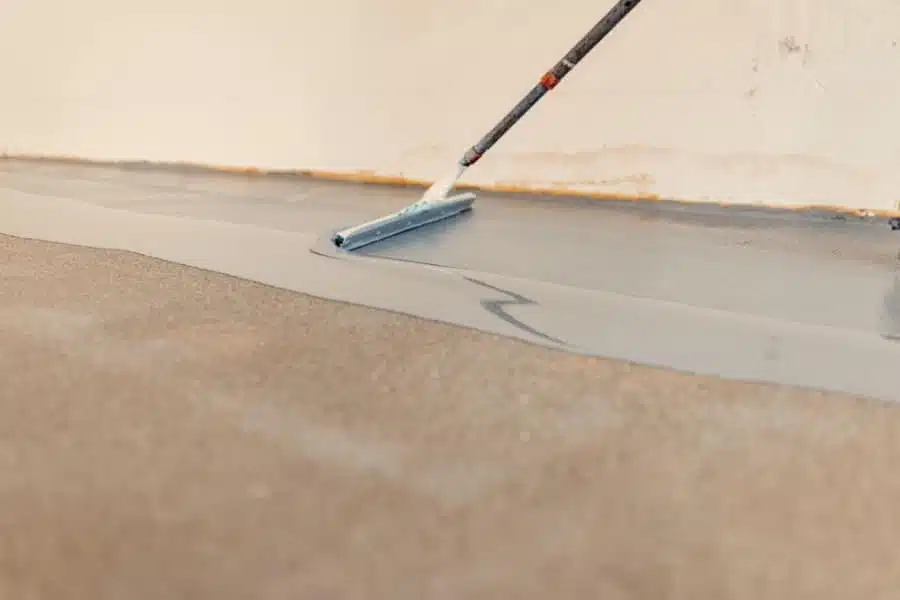
Industrial polymer coatings are protective resin-based systems installed over prepared concrete to create a continuous, durable finish. Depending on the selected system and the floor’s condition, the coating can help simplify cleaning, improve the appearance of a work area, and provide a more serviceable surface than exposed concrete. The right choice is driven by how the floor is used, not by appearance alone.
For facilities comparing options, industrial polymer coatings can include high-performance epoxy and urethane floor systems designed around commercial and industrial use. Epoxy is commonly valued for building a smooth, durable layer over concrete, while urethane coatings can be considered where flexibility and wear characteristics are important. A coating professional should assess the substrate and service demands before recommending a system.
Floors that may be good candidates
A polymer floor system may be appropriate when a concrete slab is structurally sound enough to prepare and coat, but its current surface is creating maintenance or operational problems. Warehouses, automotive work areas, industrial facilities, schools, offices, and commercial spaces can all have different requirements. The expected traffic, cleaning methods, moisture exposure, and need for visual organization should shape the scope.
- Warehouse floors affected by rolling equipment, stored materials, and repeated traffic paths
- Manufacturing or service areas where dust, stains, and rough concrete complicate housekeeping
- Commercial back-of-house spaces that need a cleaner-looking, easier-to-maintain surface
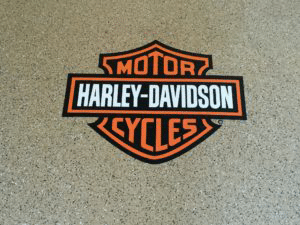
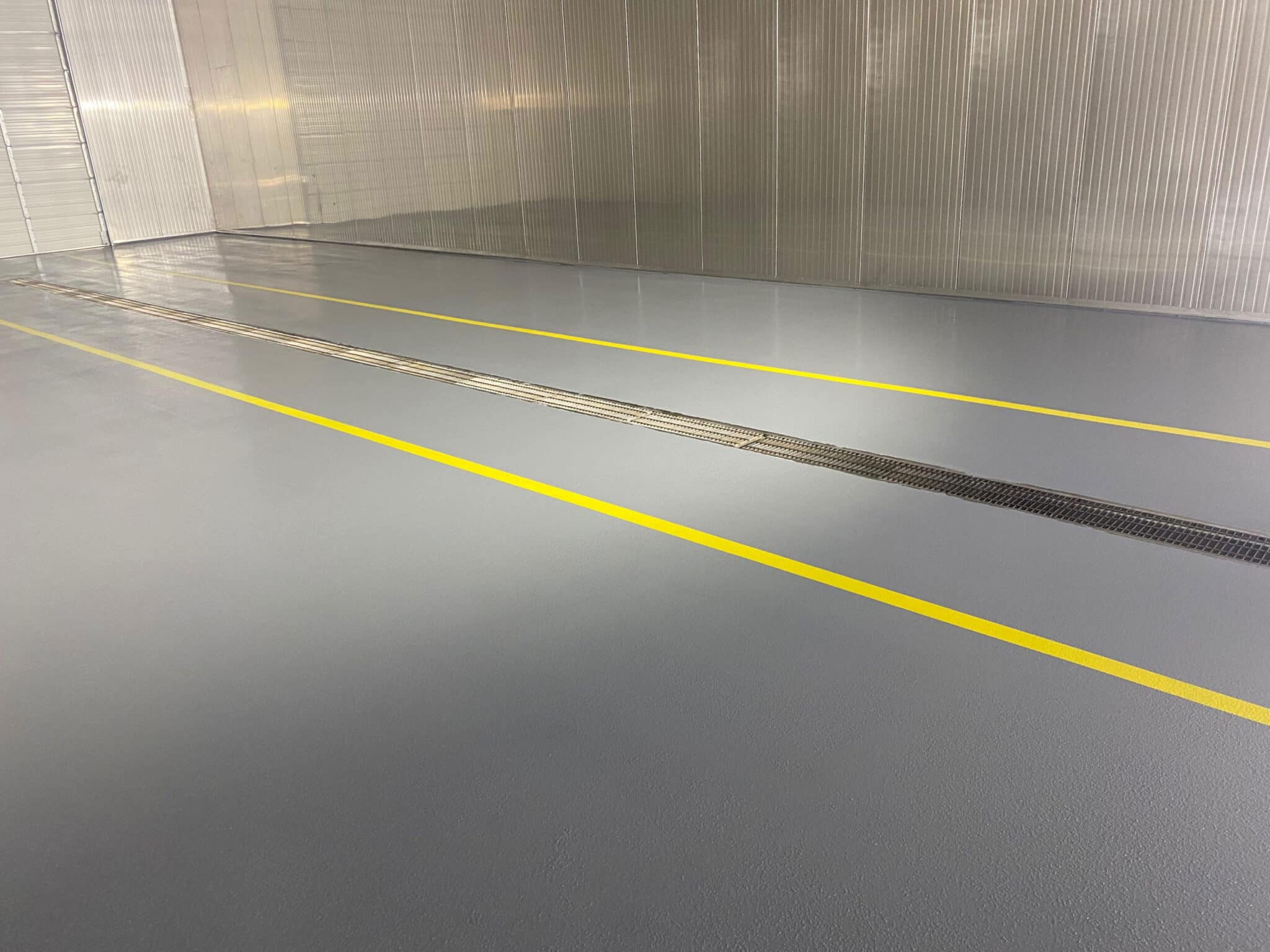
- Facilities needing aisle markings, safety-oriented traffic lanes, or branded floor graphics
- Concrete floors with minor cracks, old adhesive, tile remnants, or worn coatings that need attention before finishing
Coatings are not a substitute for diagnosing every concrete problem. Active moisture conditions, substantial slab movement, severe damage, and contamination can affect adhesion and long-term performance. Raising these conditions early gives the property owner a clearer basis for deciding whether preparation, repair, polishing, or a coating system is the sensible next step.
Start With the Floor, Then Match the System
Successful industrial flooring begins with surface preparation and an honest review of site conditions. A polished, glossy finish may be desirable in one setting, while a more utilitarian coating with visible traffic lanes may be the better fit in another. Diamond Coatings Epoxy and Concrete Coatings can discuss the available commercial flooring services in relation to the actual work performed on the floor.
A practical installation planning sequence
Every project has its own scope, but a coating project generally follows a sequence that protects the bond between the system and the concrete. Facility managers should plan around access restrictions, staging, and the time required for each phase to proceed. Discussing operating schedules before work begins can reduce unnecessary disruption.
- Review the floor’s current condition, intended use, visible damage, and areas of concern.
- Determine what preparation may be needed, including crack repair, removal of old materials, or cleaning of the substrate.
- Select the coating type, color approach, texture, markings, and any functional additions appropriate to the space.
- Prepare the concrete and apply the chosen system according to the project scope.
- Allow the completed floor to cure as needed before returning it to its planned service conditions.
Before requesting an estimate, it helps to identify the square footage, the type of traffic on the floor, known leaks or moisture concerns, existing coatings or adhesives, and desired work timing. Photos can be useful for an initial conversation, but an on-site assessment may be needed to understand the concrete fully. Clear information helps avoid choosing a finish based solely on color or a generic description.
Choosing between epoxy, urethane, polished concrete, and other finishes
There is no universal “best” industrial floor finish because the right surface depends on the facility’s priorities. Epoxy flooring is often selected for its durable, seamless-looking protective layer over concrete. Urethane coatings, polished concrete, quartz systems, and decorative stain each present different visual and functional considerations, so the decision should account for use conditions, maintenance expectations, and the existing slab.
Polished concrete may appeal to owners who want to refine the concrete itself rather than build a coating layer over it. A resinous system can be a stronger fit when the goal is to cover a worn substrate, define work areas, or create a uniform finish. For heavily used zones, ask how the proposed system addresses traffic patterns, transitions, repairs, cleaning practices, and the return-to-service plan.
Function Comes First, but Finish Options Still Matter
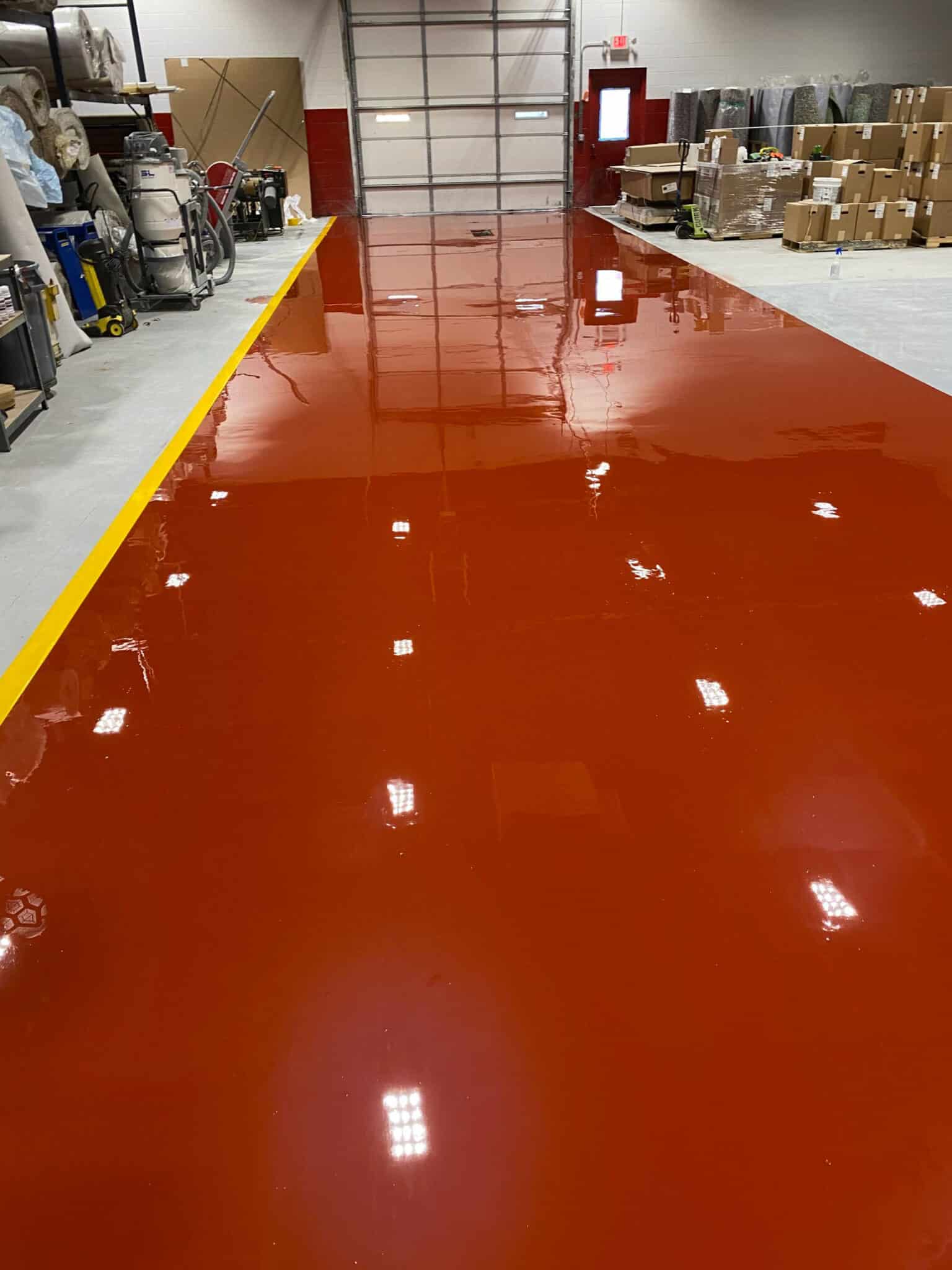
Industrial flooring can support a facility’s organization as well as its durability. Color changes can help distinguish zones, while traffic striping can make travel lanes and work boundaries easier to see. Decorative choices should complement operational needs, rather than interfere with visibility, cleaning, or the practical purpose of the floor.
Color and texture choices for working environments
The available base colors provide a starting point for building a finish that aligns with the look and function of a commercial or industrial space. A lighter or darker tone can affect how marks and debris are perceived, while a neutral color may coordinate with existing walls, equipment, or storage areas. Consider lighting, cleaning frequency, and how visible you want traffic markings to be before making a final selection.
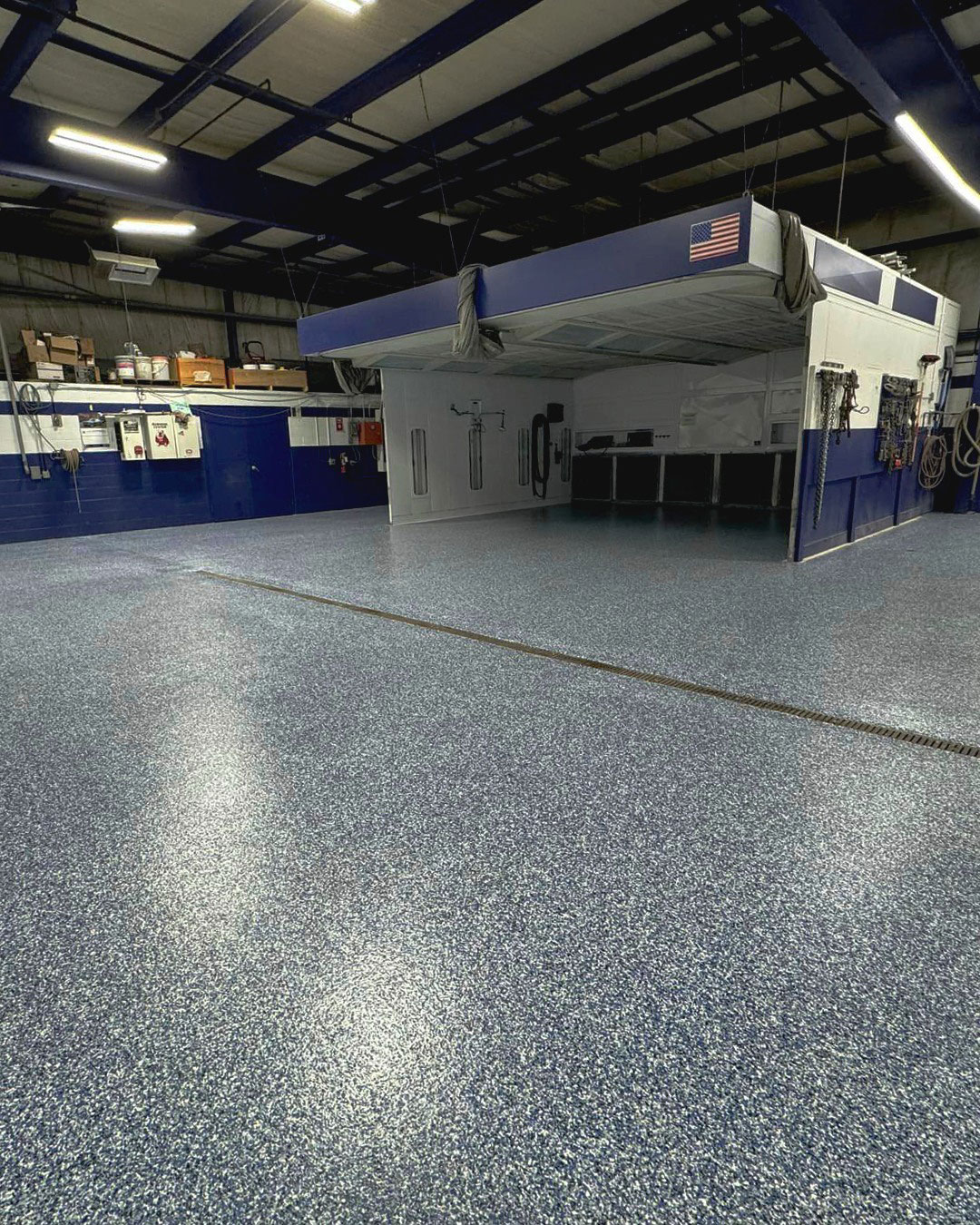
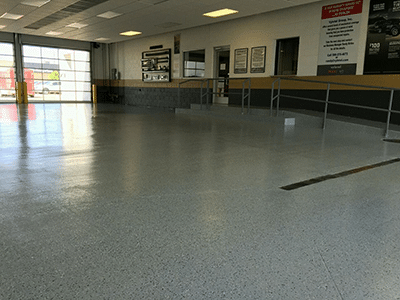
For spaces where visual interest is appropriate, decorative chips can add variation and a more finished appearance to a coated floor. Chip systems are often considered for areas where a uniform solid color feels too plain or where a multi-tonal surface may better suit the environment. The selected blend should still support the facility’s practical needs and avoid making directional markings harder to distinguish.
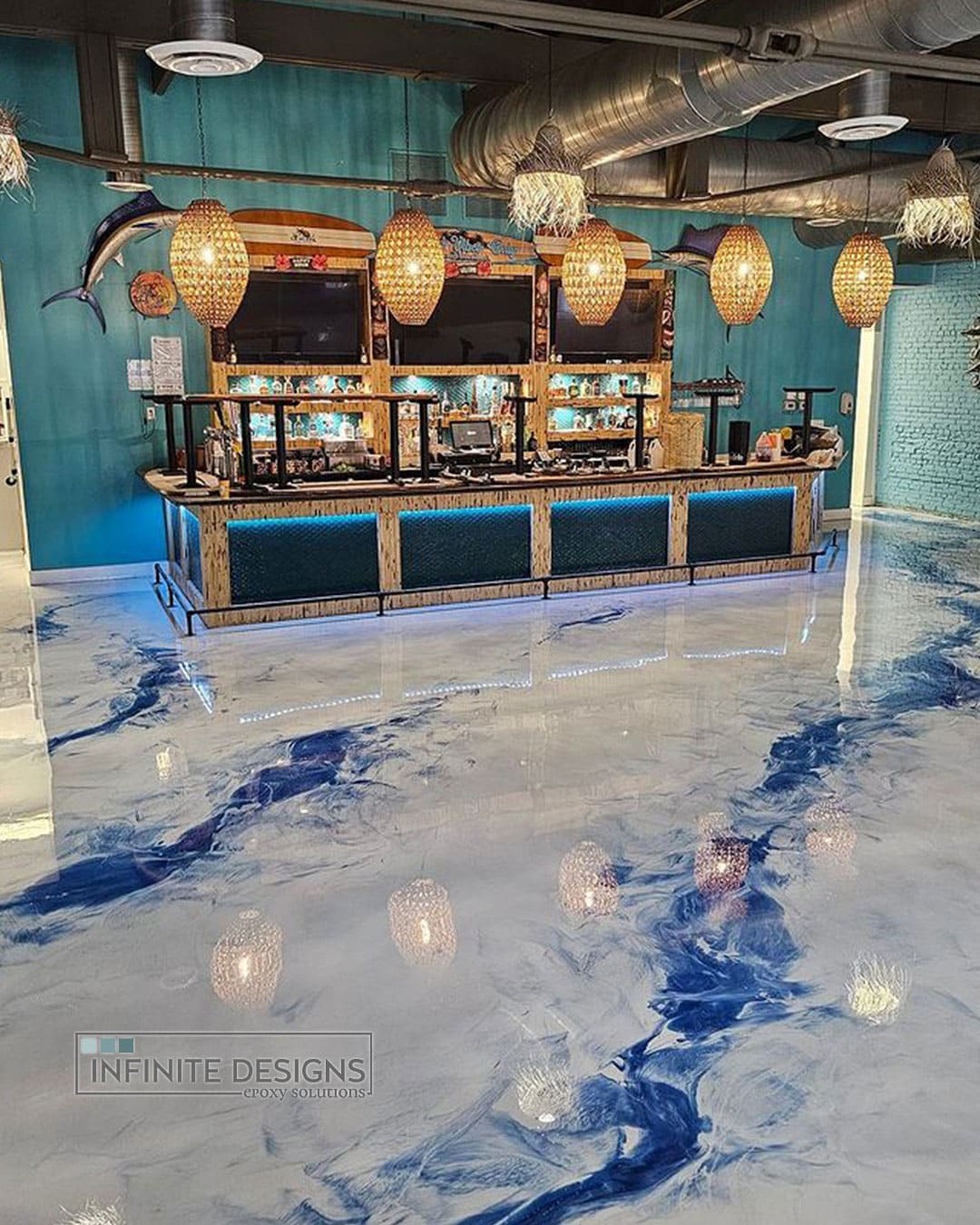
In design-forward commercial areas, metallic additives can create movement and depth that a standard single-color coating does not provide. This type of visual treatment is generally more relevant to showrooms, lobbies, retail environments, or other customer-facing areas than to a purely utilitarian production floor. Discuss the intended appearance and maintenance expectations so decorative decisions remain compatible with the room’s use.
What to Look for in a Coating Provider
A productive provider conversation focuses on the floor’s conditions, the facility’s operations, and the owner’s goals. It should not stop at a broad promise that a coating will solve every problem. Ask what preparation is anticipated, what materials are being considered, whether repairs or old-floor removal are included, and what the completed floor will require from the facility.
- How will the existing concrete, cracks, old tile, glue, or prior coating be evaluated?
- Which system is being considered for the expected loads, traffic, and cleaning routine?
- Can aisle striping, logos, or color-defined areas be included in the project scope?
- What access limitations or scheduling needs should be discussed before work starts?
- What should the owner understand about care and return to use after installation?
Diamond Coatings Epoxy and Concrete Coatings offers a range of services that can be relevant when a floor needs more than a simple cosmetic refresh. In addition to resinous flooring, the company lists crack repair, tile and glue removal, polished concrete, traffic striping, decorative concrete stain, and general floor maintenance among its commercial and industrial services. That range gives Plymouth, Michigan property owners a useful starting point for discussing the condition of the slab before settling on a finish.
See examples and feedback before you decide
Reviewing our work can help a prospective customer visualize how coating, polishing, decorative finishes, and floor details may look in completed settings. Project images are useful for discussing finish preferences, but they should be paired with questions about whether a similar approach fits your concrete and traffic demands. A good comparison considers both appearance and the day-to-day job the floor must perform.
Reading client reviews can add another perspective when evaluating a flooring contractor. Look for comments that are relevant to your own decision, such as communication, project experience, commercial work context, and whether expectations were clear. Reviews should inform your questions, while the estimate discussion should clarify the specifics of your facility.
Common Questions About Industrial Floor Coatings
What are industrial polymer coatings?
Industrial polymer coatings are resin-based floor systems applied over prepared concrete to create a durable, continuous surface. Epoxy and urethane are common coating types. They are considered for industrial and commercial areas that need improved cleanability, surface protection, visual organization, or a more finished appearance than bare concrete provides.
Can a coating be installed over cracked or previously covered concrete?
It depends on the cause and extent of the issue. Crack repair, tile and glue removal, and preparation may be part of the scope, but a provider should evaluate the slab before recommending a coating. Active movement, moisture concerns, contamination, and significant deterioration can change the appropriate approach.
Is epoxy always the right choice for an industrial floor?
No. Epoxy is a widely used option, but a urethane coating, polished concrete, quartz system, or another solution may better match the space. The decision should reflect load exposure, desired finish, maintenance practices, substrate condition, safety needs, and whether the floor is primarily operational or customer-facing.
Does Diamond Coatings Epoxy and Concrete Coatings have an office in Plymouth, MI?
Diamond Coatings Epoxy and Concrete Coatings is located in Shelby Township, Michigan and provides industrial polymer coating services in Plymouth, MI. Contact the company to discuss your project needs, floor condition, and whether the requested commercial or industrial scope is a fit.
Schedule an Industrial Flooring Estimate
If your Plymouth facility has worn concrete, difficult-to-clean work areas, outdated floor coverings, or a need for clearer traffic organization, an estimate is the next practical step. Diamond Coatings Epoxy and Concrete Coatings can discuss commercial epoxy floors, urethane coatings, polished concrete, repairs, striping, and other available floor services based on your project goals. The company is located in Shelby Township, MI and serves customers seeking industrial floor coating solutions in Plymouth and throughout the surrounding Michigan region.
Request an appointment for an industrial flooring estimate with Diamond Coatings Epoxy and Concrete Coatings. Share the type of facility, current floor condition, intended use, and preferred timing so the conversation can begin with the details that matter.