Concrete Sealers Near Fraser, MI
Concrete that looks dusty, absorbs water, shows tire marks, or develops stains can be harder to maintain than it needs to be. For property owners searching for Concrete Sealers near Fraser, MI, Diamond Coatings Epoxy and Concrete Coatings offers a practical path toward a cleaner, more protected concrete surface. The company is located in Shelby Township, MI, not Fraser, and can help you begin with an estimate discussion focused on your floor or slab’s condition and intended use.
A properly selected sealer can limit liquid absorption, simplify routine cleanup, and help preserve the appearance of concrete exposed to daily use. The right choice depends on where the concrete is located, whether it is indoors or outdoors, its current condition, and the type of traffic it receives. A garage floor, retail area, warehouse aisle, basement, and exterior flatwork do not all need the same coating approach.
What concrete sealing does for a working surface
Concrete sealing places a protective treatment or coating over prepared concrete to reduce porosity and improve resistance to common wear. Because bare concrete has small pores, water, oils, grime, and certain contaminants can penetrate its surface. A sealed floor or slab is generally easier to clean and can present a more finished appearance while retaining the practical strength of the concrete beneath it.
Not every protective system performs the same job. Penetrating treatments are often considered where maintaining a more natural-looking surface and reducing moisture absorption are priorities. Film-forming coatings create a more defined protective layer and may be chosen when enhanced appearance, easier cleaning, or a more decorative finish is important. The best decision starts with the surface, the exposure conditions, and realistic expectations for maintenance.
Problems that often point to a sealing need
Visible damage does not always mean replacement is necessary, but it does mean the slab deserves a careful evaluation before any product is applied. Preparation and compatibility matter because a coating can only bond as well as the surface beneath it. Sealing is particularly worth considering when concrete is sound but vulnerable to repeated spills, abrasion, moisture exposure, or difficult cleanup.
- Dusting or chalky concrete that leaves residue on shoes, storage items, or equipment
- Oil, automotive-fluid, beverage, or chemical stains that are difficult to remove
- Garage, shop, or work areas that need a smoother, easier-to-maintain finish
- Concrete with minor chips or cracks that should be assessed and repaired before protection
- High-use spaces where a bare slab is becoming harder to keep presentable
Concrete sealers are not a substitute for correcting every underlying issue. Active moisture concerns, substantial movement, major deterioration, and contamination can affect whether a treatment or coating is appropriate. A straightforward assessment helps distinguish a surface that needs cleaning and protection from one that needs repair work or a different solution first.
A process built around surface preparation
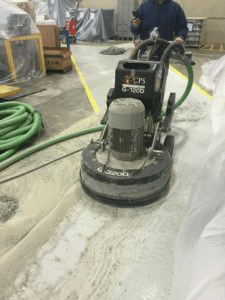
Long-lasting protection begins before the sealer or coating is applied. Diamond Coatings Epoxy and Concrete Coatings describes a preparation approach that uses diamond grinding or shot blasting with dustless vacuum equipment to create a suitable profile for bonding. The team also addresses major cracks and chips and considers grease, existing treatments, and other conditions that can interfere with adhesion.
For Fraser-area property owners, that preparation-first approach is meaningful because smooth, contaminated, or previously sealed concrete may not accept a new system reliably without the correct steps. A simple water test can sometimes indicate whether a surface has a prior sealer, since water that beads rather than absorbs can signal a barrier. A professional evaluation should account for prior coatings instead of covering them without understanding their condition.
What the installation experience commonly involves
The exact sequence changes with the selected product and the slab’s needs, but an organized installation protects both performance and appearance. Temperature and timing also matter, since coating products have application windows and cure requirements. Asking about access, cure time, odors, and when the space can return to service helps you plan without assumptions.
- Review the concrete’s use, visible condition, prior treatments, and goals for the finished surface.
- Clean, mechanically prepare, and repair the substrate as needed to support adhesion.
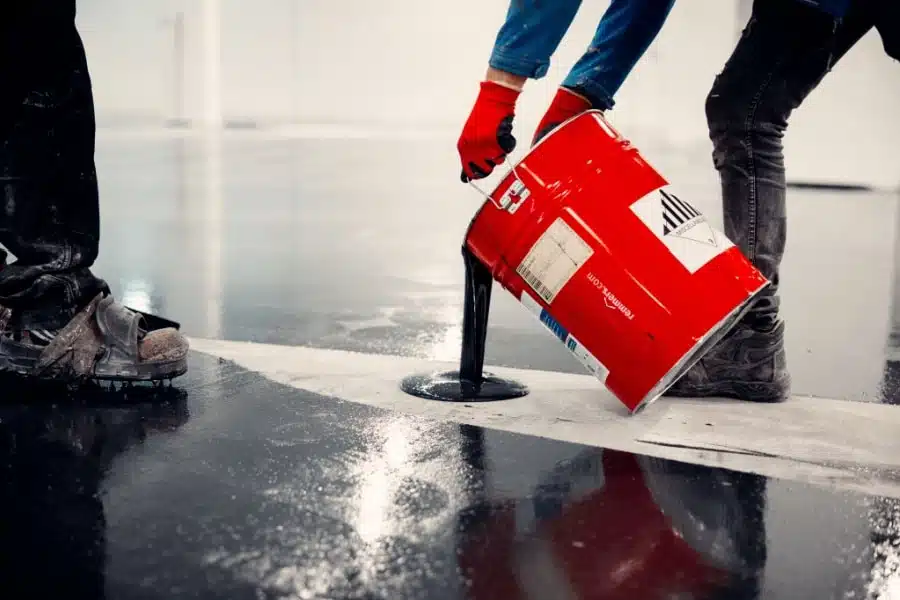
- Apply the selected sealer, coating, primer, or finish system according to product requirements.
- Allow the system to cure before foot traffic, vehicles, inventory, or heavy equipment returns to the area.
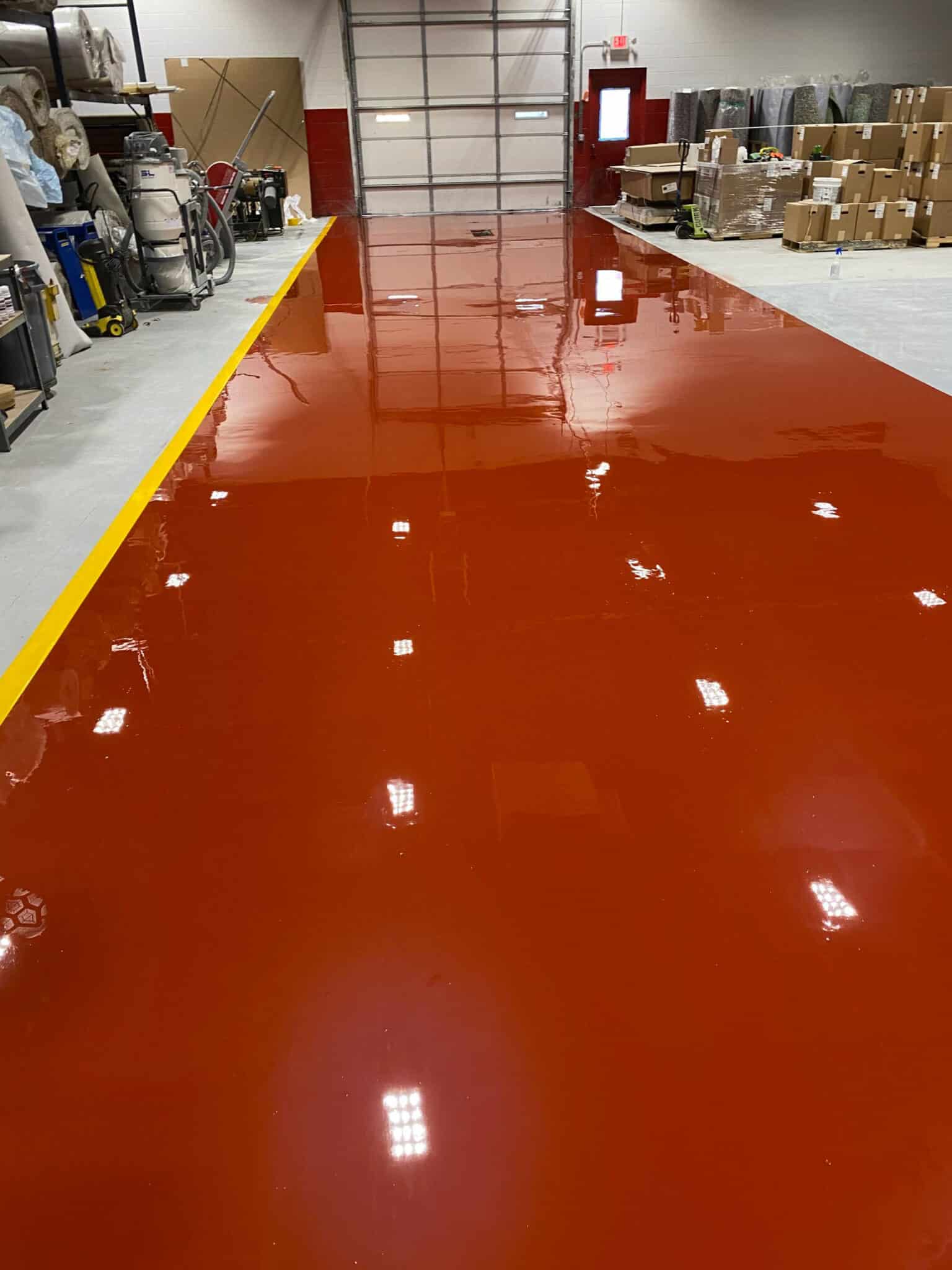
Customers considering a more decorative or high-performance floor can also explore Concrete Sealers and epoxy service options in the context of their intended use. Epoxy floor coatings are applied over concrete to create a smooth, durable surface, and they may be a fit when the objective extends beyond basic sealing. The final selection should consider the traffic load, cleaning routine, desired look, and the condition of the existing slab.
Choose protection based on how the concrete is used
The most useful way to compare concrete protection is to begin with daily demands, not just color or sheen. A low-traffic storage area may have different priorities than a vehicle garage, customer-facing business floor, or active production setting. Matching the system to moisture exposure, abrasion, spills, cleaning practices, and downtime requirements helps prevent an attractive choice from becoming an impractical one.
Home surfaces, garages, and everyday upkeep
Homeowners can use residential concrete sealers to protect garage floors, basements, utility rooms, patios, and other appropriate concrete areas from everyday soil, staining, and wear. A residential system should reflect how the space is actually used, including vehicles, pets, storage, household cleaners, and wet footwear. Preparation is especially important on older slabs, where oil residue, previous paint, or surface flaking may need attention before a protective finish is considered.
For a home setting, appearance and cleaning convenience often carry equal weight. A sealed garage or basement floor can make routine sweeping and mopping more manageable, while a selected decorative coating can create a more intentional finish. Property owners should discuss whether they want subtle protection, a uniform colored surface, or a more design-forward coating result before choosing a system.
Business spaces and customer-facing concrete
Businesses evaluating commercial concrete sealers need a solution that accounts for foot traffic, carts, deliveries, cleaning schedules, and the appearance expected in the space. Retail backrooms, offices, showrooms, service areas, and other commercial environments can benefit from a protected surface that is easier to maintain than unsealed concrete. The decision should also account for how much access can be limited during preparation and curing.
A commercial coating plan is not simply a larger residential project. The level of abrasion, the possibility of spills, cleaning chemicals, and traffic patterns may change the product and preparation requirements. Clear conversations about operating hours, usable zones, and return-to-service expectations can help a business choose a solution that supports operations as well as floor protection.
Demanding work areas require a practical specification
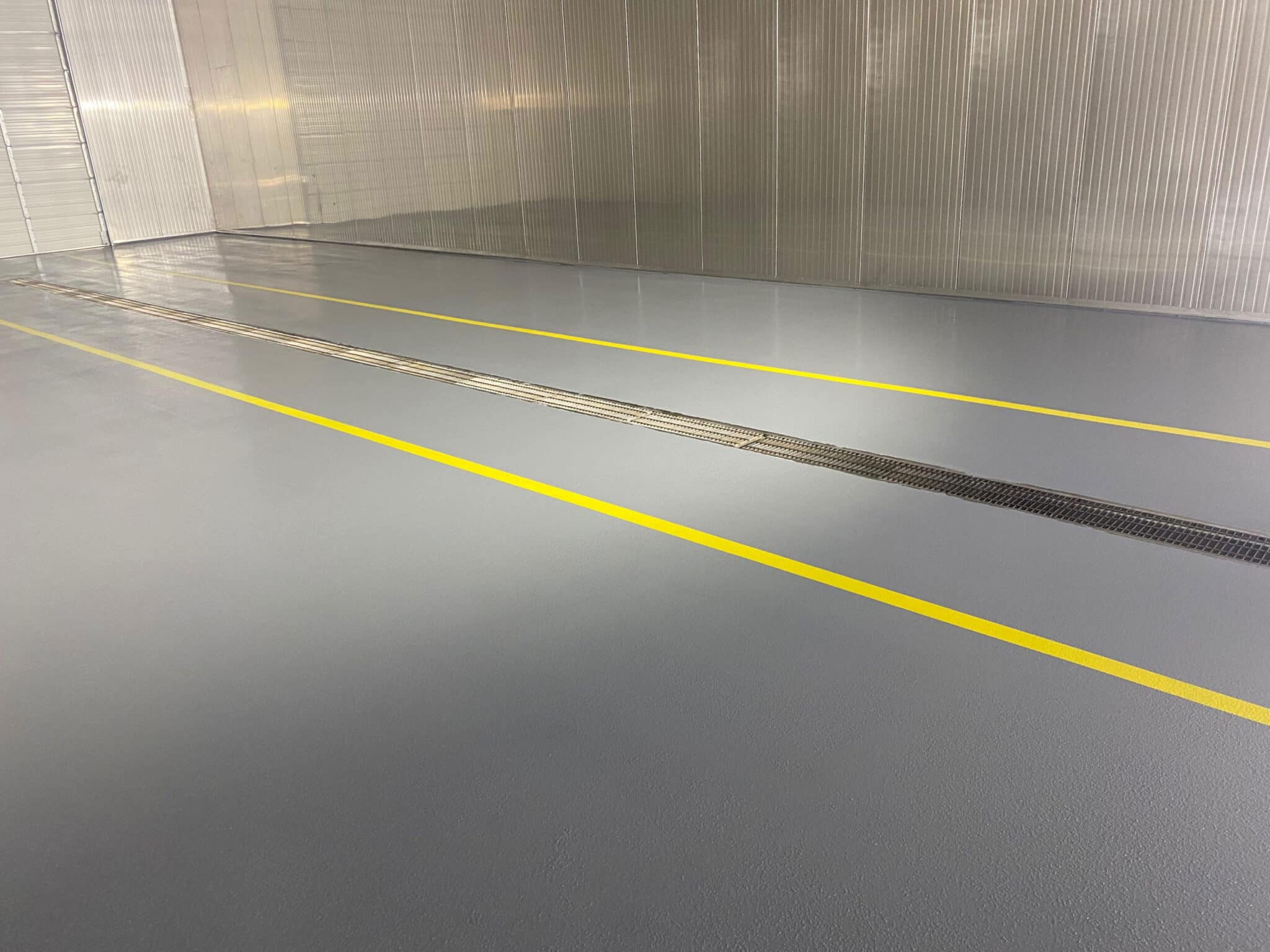
For facilities with heavier demands, industrial concrete sealers should be considered in relation to equipment loads, rolling traffic, abrasion, frequent cleaning, and possible chemical contact. Industrial floors often need protection that is selected for function first, with surface profile and substrate repair playing a central role in performance. An estimate conversation is a useful time to identify the work performed on the floor and any conditions that have caused earlier coatings to fail.
Heavy-duty use also makes maintenance planning important. Even a durable protective surface benefits from prompt spill cleanup and cleaning methods that suit the finished system. Rather than assuming one coating is right for every operational area, it is sensible to evaluate loading zones, aisles, work cells, and storage areas based on their distinct demands.
Why details matter before you approve a project
Concrete protection is a service where the lowest initial price may not describe the full value of the work. Surface preparation, repairs, product suitability, and cure planning can all affect the usefulness of the finished floor. Diamond Coatings Epoxy and Concrete Coatings provides commercial, industrial, and residential coating services from Shelby Township, Michigan, giving prospective customers a focused starting point for discussing those project details.
- What condition is the concrete in, including cracks, chips, dusting, stains, and prior coatings?
- What will contact the surface, such as vehicles, foot traffic, equipment, water, oils, or cleaning products?
- Is the priority moisture resistance, stain resistance, easier cleanup, visual improvement, or a combination?
- What preparation is needed for sound bonding, and what cure period should be planned?
- How should the finished surface be cleaned and maintained after installation?
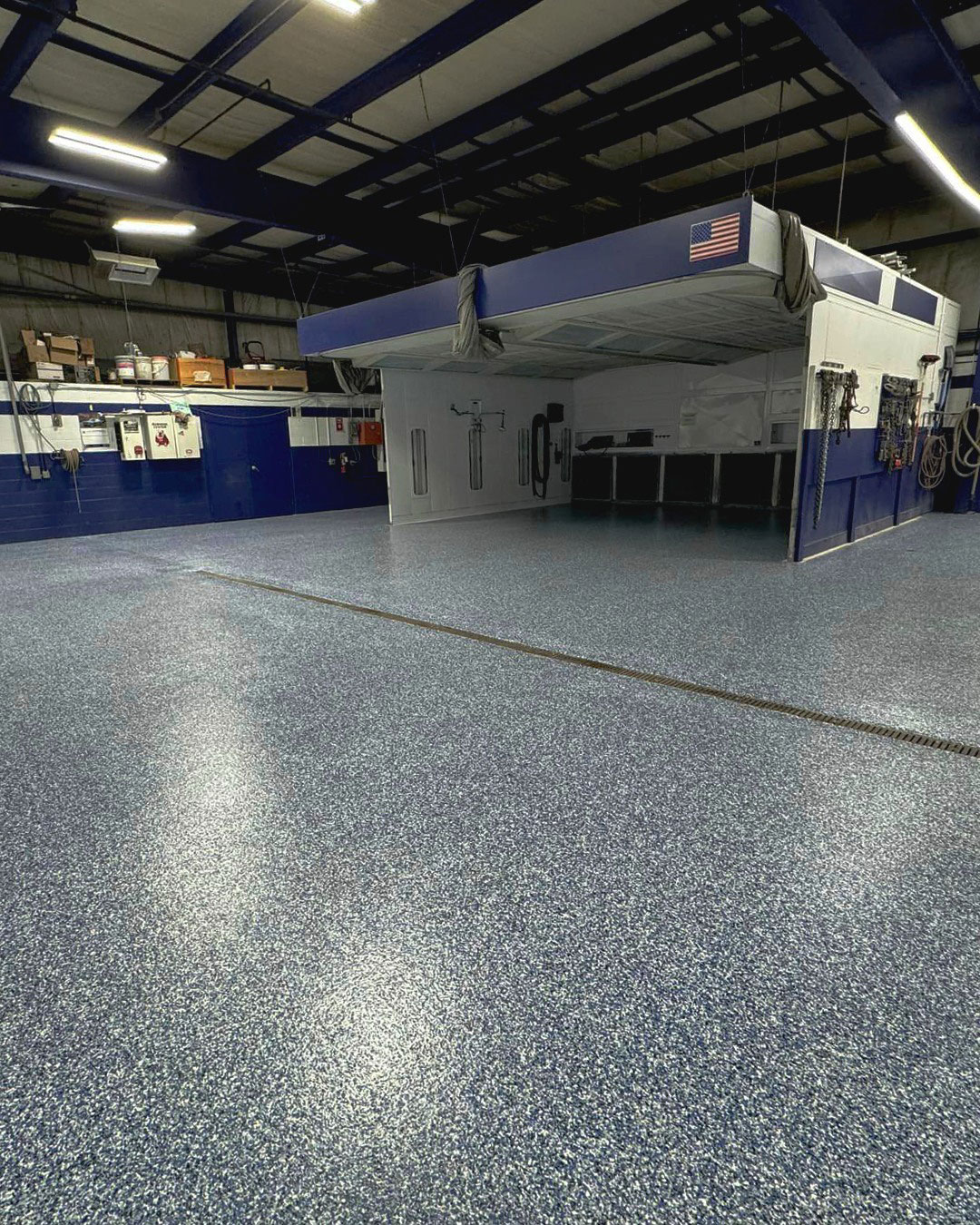
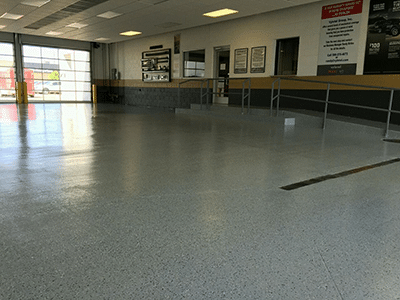
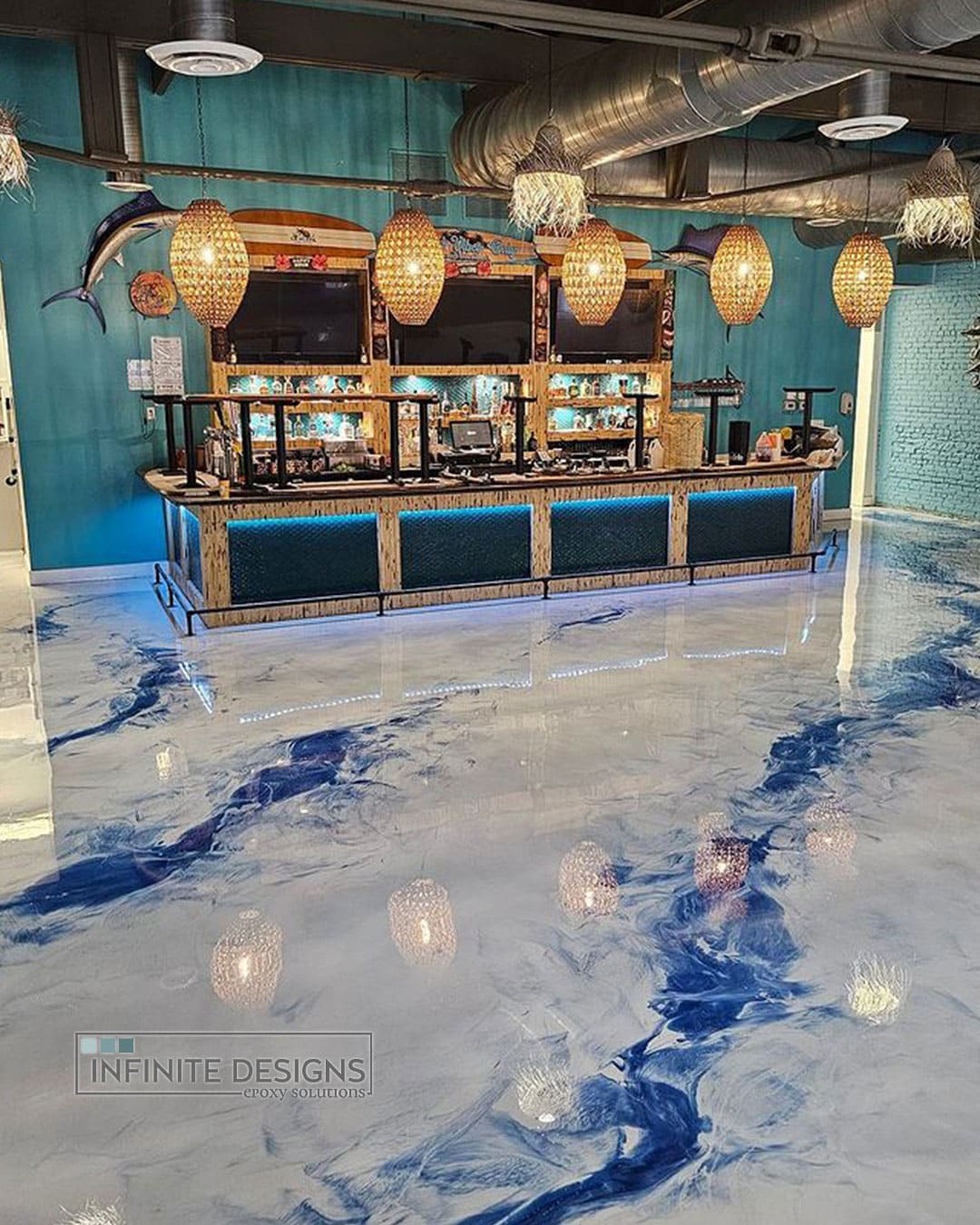
Seeing completed applications can make those choices easier to picture. Visit our work to review examples of Diamond Coatings Epoxy and Concrete Coatings projects and consider the finish styles that may align with your goals. Project images are useful for discussing visual preferences, but the condition and use of your own concrete should still guide the final recommendation.
It can also be helpful to read client reviews as part of a broader decision process. Feedback can offer perspective on customer experiences, while an estimate conversation lets you address your specific surface, timeline, and functional requirements directly. Combining both forms of research supports a more informed choice than selecting a coating solely from a product name or photo.
Frequently asked questions about concrete sealing
What do concrete sealers do for a garage or basement floor?
Concrete sealers reduce the concrete’s exposure to absorbed moisture, dirt, and common stains while making the surface easier to maintain. The appropriate system depends on existing surface condition, traffic, and whether the goal is basic protection or a more finished decorative coating.
Can a sealer be applied over old paint or an existing coating?
Sometimes, but the existing layer must be evaluated first. Old paint, failed coating, grease, or a smooth sealed surface can interfere with bonding. Mechanical preparation, cleaning, repairs, or removal may be needed before a compatible new system can be applied.
Is Diamond Coatings Epoxy and Concrete Coatings located in Fraser, MI?
No. Diamond Coatings Epoxy and Concrete Coatings is located in Shelby Township, MI. Customers seeking Concrete Sealers near Fraser can request an estimate to discuss their project and determine the appropriate next steps for their concrete surface.
How do I decide between a penetrating sealer and an epoxy-style coating?
A penetrating treatment is generally considered when reducing absorption while preserving a more natural concrete appearance is important. An epoxy-style coating creates a more visible, continuous surface and may better suit areas seeking a smooth, durable finish. Traffic, spills, moisture conditions, preparation needs, appearance goals, and planned maintenance should guide the comparison.
Discuss your Fraser-area concrete project
Whether you want to protect a residential garage, improve a commercial work area, or assess a demanding industrial floor, the next useful step is a project-specific conversation. Diamond Coatings Epoxy and Concrete Coatings is based in Shelby Township, Michigan, and can help prospective customers near Fraser, MI consider surface preparation, repairs, coating choices, and practical scheduling needs. Request an appointment for an estimate and share how your concrete is used, what concerns you have, and the result you want to achieve.