Polished Concrete Flooring Near Madison Heights, MI
For property owners seeking a clean, durable floor surface near Madison Heights, MI, polished concrete can turn an existing slab into a refined, low-maintenance finish rather than covering it with a separate layer. Diamond Coatings Epoxy and Concrete Coatings is located in Shelby Township, MI and provides information and estimating support for customers considering this practical concrete-flooring option in the surrounding region.
A polished slab is especially worth considering when daily traffic, dusting, routine cleaning, or worn floor coverings have become a concern. The finish is created by mechanically refining concrete with diamond abrasives, then treating the surface to improve density and performance. The result can range from a soft satin appearance to a more reflective sheen, depending on the slab, the desired look, and the intended use of the space.
What polished concrete changes about an existing slab
Polished concrete is not paint and it is not a film applied over the floor. It is a multi-stage grinding, honing, densifying, and polishing process that works with the concrete itself. Because the finished surface becomes part of the slab, it does not depend on a wax layer to create its appearance.
For a fuller overview of Polished Concrete Flooring, it helps to start with the condition of the concrete already in place. Sound concrete with an appropriate surface profile offers a better foundation for a consistent finish, while cracks, old adhesives, coatings, stains, and uneven areas may need evaluation and preparation before polishing begins.
The mechanical polishing process, step by step
Every slab has its own age, hardness, aggregate exposure, and prior-use history, so the exact sequence can vary. Still, concrete polishing follows a deliberate progression rather than a single pass with a machine. The goal is to refine the floor evenly while matching the intended level of clarity and sheen.
- Evaluate the slab: Review its general condition, existing coatings or contaminants, joints, cracks, and the expectations for the finished appearance.
- Prepare and repair: Remove materials that interfere with grinding and address appropriate surface repairs before the finer steps begin.
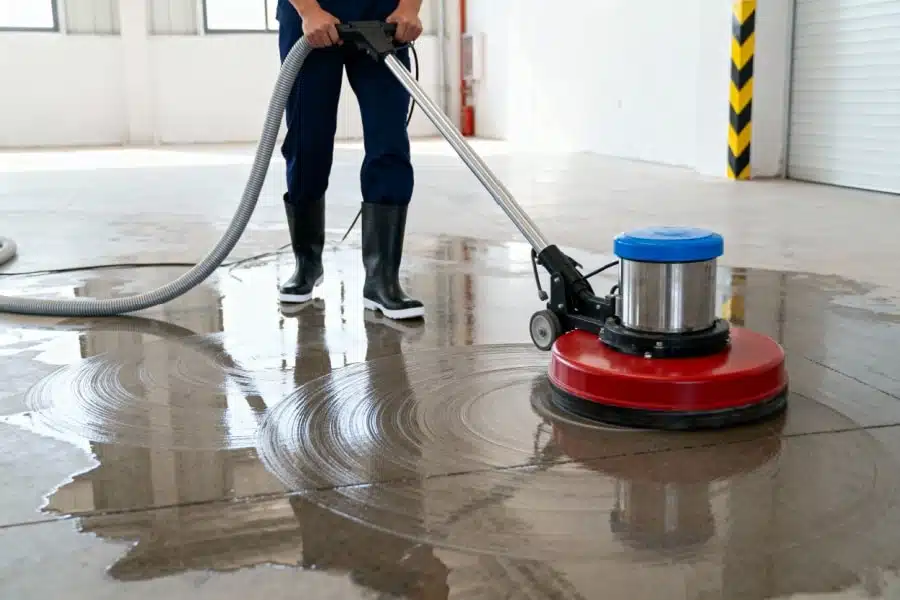
- Grind and densify: Use progressively finer diamond tooling to flatten and refine the surface, then apply a chemical densifier to harden the concrete matrix and help reduce dusting.
- Hone and polish: Continue through finer abrasives until the selected finish level is reached, followed by final cleaning and care guidance.
Grinding may reveal variation that was hidden by carpet, tile, adhesive, or prior coatings. Small aggregate, natural color shifts, patch areas, and repaired cracks can remain visible in a polished floor. That character is often part of the appeal, but it is an important expectation to discuss before selecting a highly decorative or uniform-looking design direction.
Performance benefits that matter day to day
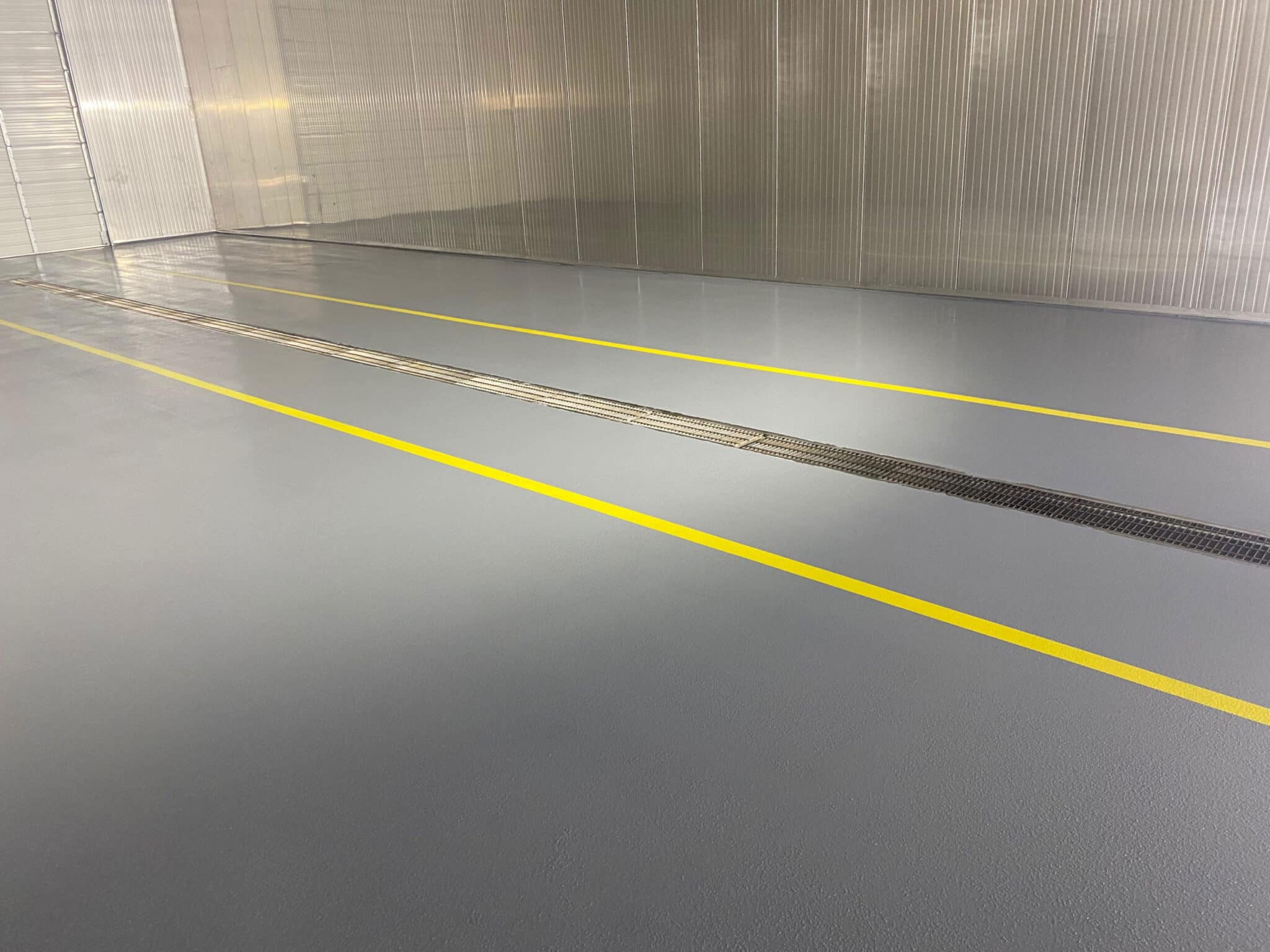
The most useful benefits are practical: a dense concrete surface can be easier to keep clean, resist routine abrasion, and reduce the dust associated with a deteriorating slab. Polishing can also increase light reflectivity, which may improve how bright a space feels without claiming to replace a lighting plan. Since the finish is integral to the concrete, there is no separate coating film to peel under normal wear.
- Durability: A properly prepared and polished surface is well suited to regular foot traffic and many demanding work environments.
- Lower routine maintenance: Dry dust mopping and periodic damp cleaning are generally simpler than maintaining flooring that requires waxing or frequent stripping.
- Cleaner appearance: Densification and refinement help create a smoother, less dust-prone surface than untreated concrete.
- Design flexibility: Sheen level, aggregate exposure, and the slab’s natural variation influence the final character of the floor.
Polished concrete is not automatically the right answer for every slab or every room. A floor with substantial moisture concerns, severe structural damage, or a need for a thick, resilient comfort layer may call for a different system or additional preparation. A thoughtful evaluation helps separate what is cosmetically possible from what is appropriate for long-term use.
Choosing the right finish for the way the space is used
The best finish is the one that fits traffic, cleaning practices, visual priorities, and the starting condition of the concrete. A warehouse, showroom, basement, retail space, and home living area can all have different needs even when each begins with a concrete slab. Diamond Coatings Epoxy and Concrete Coatings can help frame the conversation around the surface you have and the outcome you want, rather than treating every floor alike.
Sheen, aggregate exposure, and realistic expectations
Polish level is often described from a lower-sheen, matte-like finish through a higher-gloss reflective finish. Higher sheen can create a striking visual effect, but it also makes existing surface variation and cleaning marks more noticeable. Aggregate exposure is another key decision: a cream finish preserves more of the top surface, while deeper grinding can reveal sand or larger stone within the slab.
Polished concrete differs from epoxy and other resinous systems in an important way. Epoxy is a coating installed over concrete and can offer broad color and decorative options, while polishing develops the existing concrete surface. Customers who want to retain the mineral character of their slab and avoid a topical finish may prefer polishing; those who need an opaque color, a specific broadcast design, or a different chemical-resistance profile may compare coating options instead.
Questions to resolve before work begins
Clear decisions early in the process help prevent disappointment later. Before choosing a concrete polishing contractor, ask how the slab will be assessed, what preparation is anticipated, what finish level is realistic, and how joints or visible repairs will be handled. It is also reasonable to ask what cleaning practices will help preserve the finished surface once the work is complete.
- What is currently on the concrete, such as adhesive, coating, tile residue, or carpet backing?
- Will the area remain occupied, and how can access, dust control, and work sequencing be planned?
- Is a natural, variegated concrete appearance acceptable, including visible aggregate and repair history?
- What level of traffic, wheeled equipment, moisture exposure, and routine cleaning will the floor receive?
These details are particularly valuable for Madison Heights, Michigan property owners comparing estimates. A proposal based on a realistic view of the slab and the desired finish is more useful than a generic per-square-foot assumption. Good planning accounts for preparation, access, the amount of material removal needed, and the functional requirements of the space.
Polished concrete applications for homes, businesses, and facilities
Concrete polishing can serve very different goals across property types, from reducing basement-floor dust to creating a bright, durable surface in a high-traffic commercial setting. The shared advantage is a refined concrete floor that is built around the slab already present. The right application depends on the floor’s condition and the daily demands placed on it.
Residential spaces with concrete underfoot
For homeowners evaluating residential polished concrete flooring, the appeal often starts with a surface that is straightforward to clean and visually distinct from standard floor coverings. Basements, garages, living areas, and renovated spaces with exposed concrete may be candidates after a condition review. Homeowners should remember that polishing highlights the slab’s existing character, so color variation and prior repairs should be treated as design considerations, not surprises.
A home project also benefits from planning for furniture, adjacent finishes, and access while grinding and polishing take place. Discussing the desired sheen and how the room will be used can help determine whether a subtle finish or a more reflective surface makes better sense. Routine care is generally uncomplicated, but using suitable cleaning methods helps avoid leaving residue that dulls the floor.
Retail, offices, and customer-facing interiors
commercial polished concrete flooring is a practical option where appearance, cleanability, and repeated foot traffic all matter. Retail areas, offices, showrooms, and similar interiors can benefit from a continuous floor with light-reflective potential and no wax-dependent finish. Scheduling, access routes, and whether the business remains open during portions of work are important project-planning topics.
Commercial decision-makers should consider more than appearance when comparing systems. Traffic patterns, entry conditions, rolling loads, cleaning equipment, and the desired level of visual uniformity all affect the right recommendation. A polished surface can be a durable long-term flooring choice, but it should be selected with the actual operating environment in mind.
Demanding work areas and industrial environments
In facilities seeking industrial polished concrete flooring, the priority is commonly a dense, durable surface that can handle heavy daily activity while remaining easier to maintain than a dusty untreated slab. Warehouses, manufacturing environments, and other work areas may value abrasion resistance, reflectivity, and the absence of a separate wax layer. The condition of the concrete and the type of equipment using the space should guide the scope.
Industrial spaces deserve an especially careful review of joints, damage, surface contamination, and operational constraints. Forklift routes, stored materials, cleaning schedules, and shutdown windows can all influence project sequencing. Polishing is a strong consideration where the slab is suitable and the facility wants to improve the concrete itself rather than install a topical coating.
Why review the project details with Diamond Coatings
Diamond Coatings Epoxy and Concrete Coatings is based in Shelby Township, Michigan, not Madison Heights. That distinction matters for customers searching locally: the company can be a relevant nearby option for a Madison Heights, MI flooring project without implying that it has an office in the city. An estimate discussion is a useful opportunity to explain the space, current floor condition, and performance goals.
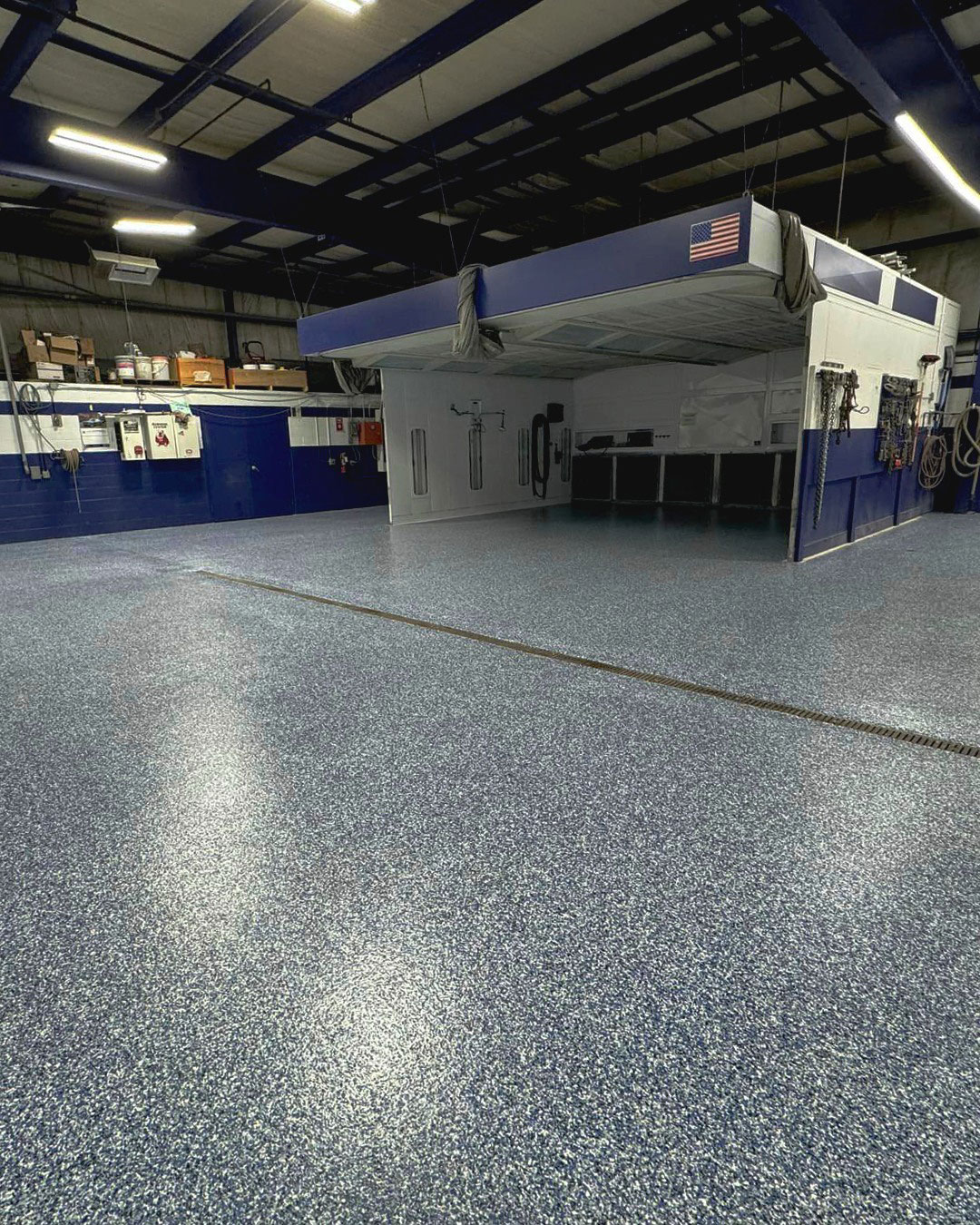
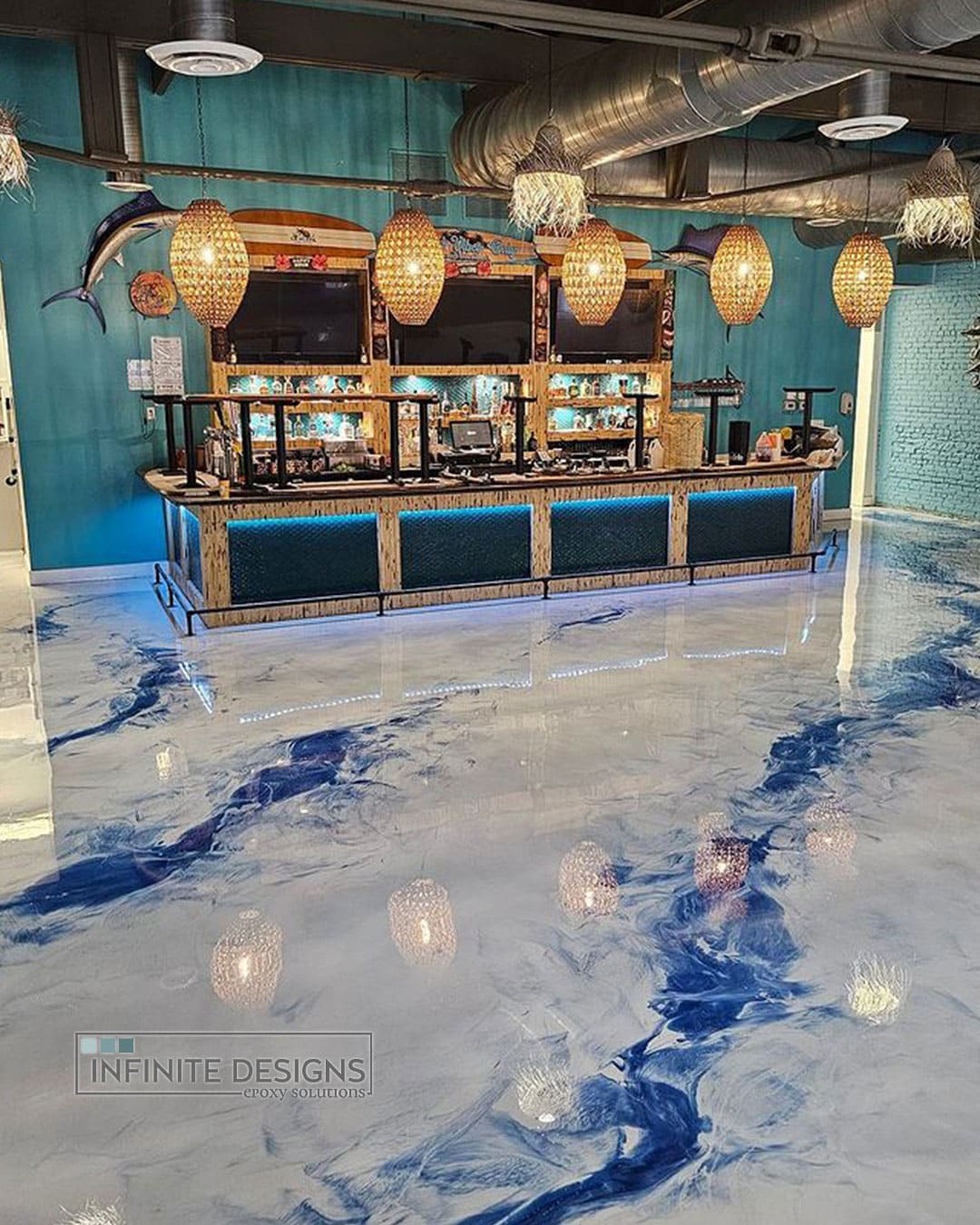
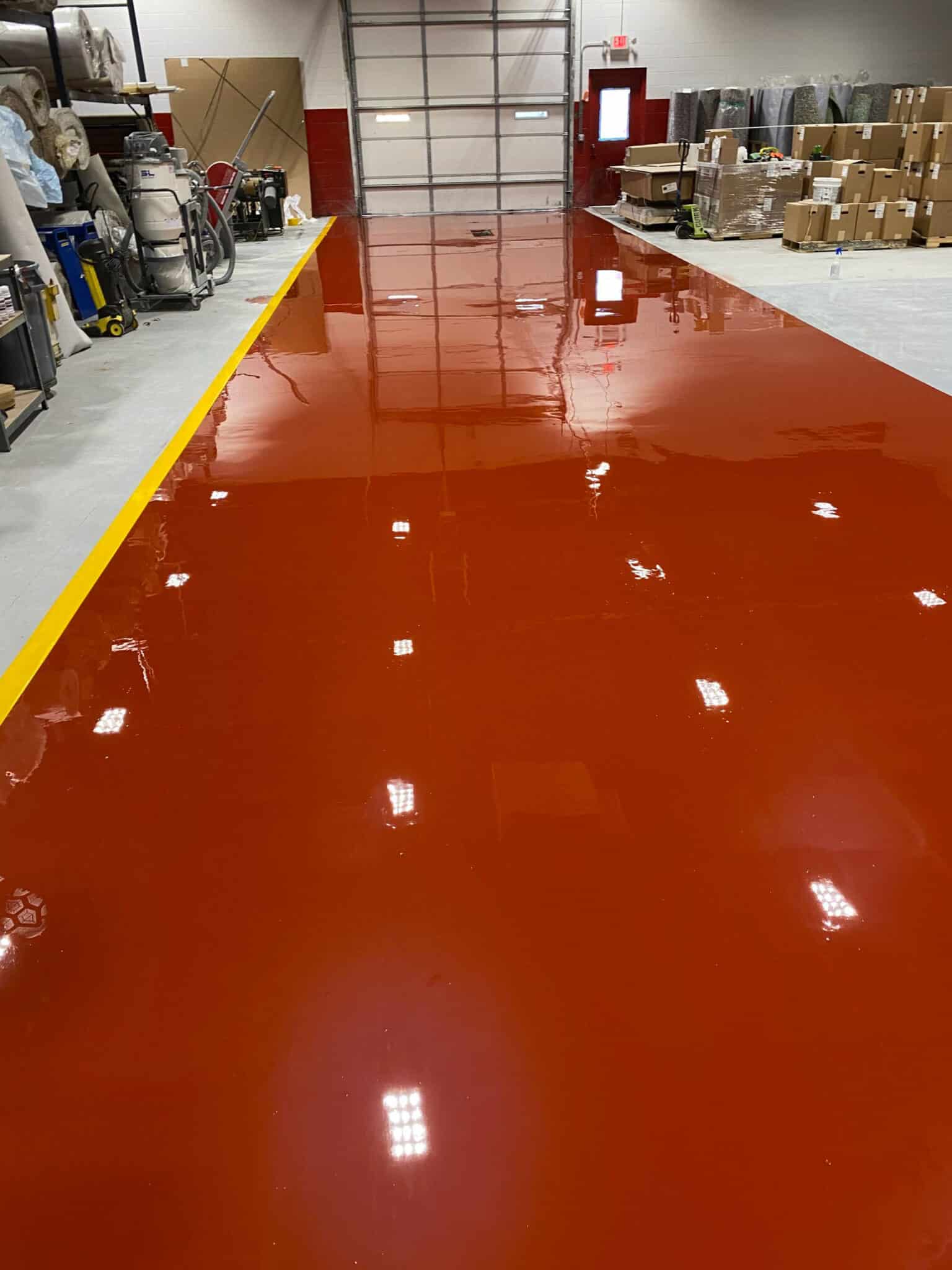
Before committing, browsing our work can help you see examples of concrete coating and floor-finish project types offered by Diamond Coatings Epoxy and Concrete Coatings. Project images are useful for discussing visual direction, but your own slab will still determine the preparation and final variation possible. Bring photos and measurements to an estimate conversation when available, especially if the floor has cracks, residue, or prior coatings.
Reading client reviews can also help a prospective customer understand feedback from people who have worked with the company. Reviews are most helpful when paired with specific questions about your property, because project conditions and desired finishes vary. Use that information to prepare for a direct discussion of scope, expectations, and scheduling.
Common questions about concrete polishing
Is polished concrete flooring slippery?
Polished concrete is not defined by shine alone. Slip resistance depends on surface conditions, contaminants, cleaning residue, footwear, and the selected finish. A higher-gloss appearance does not automatically mean a floor is unsafe, but the intended environment should be discussed when choosing a sheen and maintenance approach.
How long does polished concrete flooring last?
Polished concrete can provide a long-lasting surface because the finish is developed within the slab rather than added as a separate coating. Actual service life depends on the concrete’s condition, traffic, cleaning practices, exposure, and whether damage or contamination is addressed before polishing.
Can an old concrete floor be polished?
Often, an older slab can be evaluated for polishing, but age alone does not determine suitability. Adhesive removal, coating removal, cracks, patching, stains, moisture conditions, and the amount of unevenness can affect both preparation and the final appearance. An on-site assessment is the sensible next step.
Does Diamond Coatings Epoxy and Concrete Coatings have a Madison Heights office?
No Madison Heights office is stated here. Diamond Coatings Epoxy and Concrete Coatings is located in Shelby Township, MI and is positioned as a nearby option for customers considering polished concrete in Madison Heights and surrounding Michigan communities.
Plan your polished concrete floor estimate
If you want a floor that builds on the strength and character of your existing concrete, start by identifying how the space is used, what is currently on the slab, and the finish you hope to achieve. Diamond Coatings Epoxy and Concrete Coatings in Shelby Township, MI can discuss those details and help you move from a general idea to an informed project conversation.
Request an appointment for an estimate with Diamond Coatings Epoxy and Concrete Coatings to discuss polished concrete flooring near Madison Heights, Michigan. Share your project goals, photos if available, and any concerns about wear, dusting, existing coatings, or visible repairs so the conversation can focus on the flooring solution that fits your property.